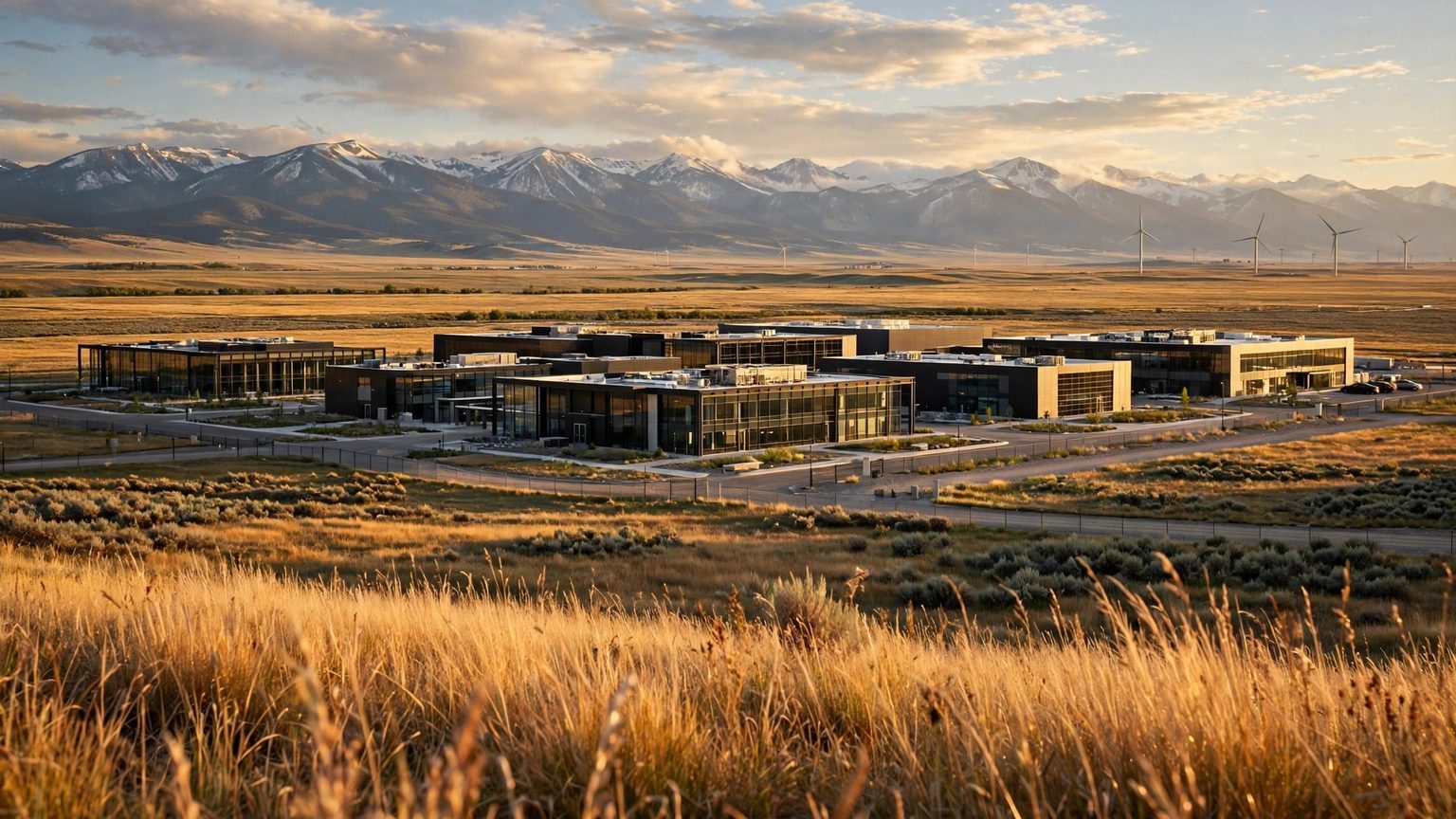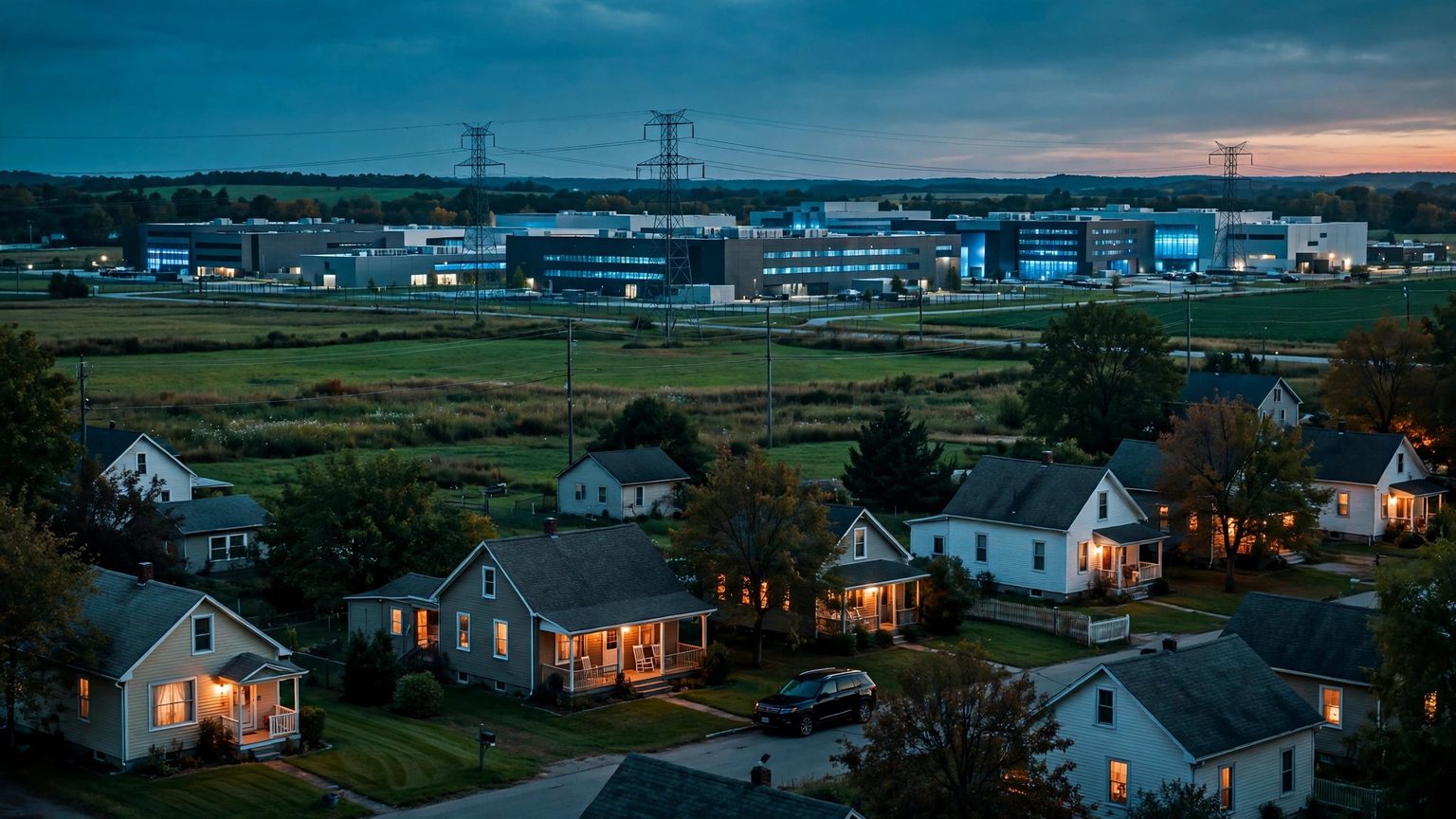
On November 5, 2026, OpenAI published its National Community Compact and Compute Campus Policy Blueprint, setting rules for the data centers it will own and operate in the future: it will pay its electricity bill in full, stop asking local officials to sign non-disclosure agreements, and publish annual updates on water use, electricity use, and hiring. The pledges landed after the U.S. midterm elections, in which voters in many places used the ballot to slow data center expansion — OpenAI has effectively written the things communities care about most into its own rulebook first.
What the compact actually promises
The compact covers every compute campus OpenAI will own and operate in the future, and each one must have a local version shaped by local conditions. The core pledges fall into four areas: on energy, OpenAI will pay the full cost of the electricity it uses and the infrastructure needed to serve it, provide financial assurances before major spending begins, and make sure other customers do not absorb the cost if a project is delayed or cancelled; on resources, each campus will have a water plan that prioritizes closed-loop or low-water cooling, publish site-level water and electricity use, and release independent noise assessments before operations begin and annually afterward; on engagement, it will seek residents' views early, name a local point of contact, and publish a public progress report each year; on jobs, it will publish the roles it expects to create, work with unions and training providers to help residents prepare, and report annually on hiring and apprenticeships. Effingham County, Georgia, already shows what this looks like: of an $80 million community investment, a $4.8 million grant provides free school meals for all 14,000 students in the county, and $2 million goes to a community park; in Pike County, Ohio, OpenAI and SB Energy jointly committed $6 million to childcare. An agreement with Georgia Power also lets the utility cut up to 1,000 megawatts of supply during peak demand, and the Camellia project has contracted 3.2 gigawatts, to be delivered in phases between 2028 and 2032.
Where a voluntary pledge stops
Neither document is law: the compact is a promise OpenAI makes to itself, and the blueprint is a set of policy proposals handed to federal, state, and local lawmakers, asking large electricity customers to cover grid-expansion costs, with tax-incentive terms made public and recoverable if developers fall short. The limits also show in scope — the compact covers only campuses OpenAI owns and operates, leaving out the large amount of capacity it leases or builds with partners, and it sets out no penalties or independent verification if commitments are broken. Still, the direction matters: once paying for power in full and dropping NDAs for officials become the industry default, local governments and residents will hold stronger cards at the negotiating table, and the old build-first-talk-later approach to data centers will get harder. The blueprint was drafted starting in August and took three months; the timing, right after the elections, is clearly aimed at this backlash.
What happens next comes down to two things: whether other compute giants follow with similar pledges, and whether state legislatures adopt the blueprint's proposals. OpenAI has promised a public progress report every year, and the water, electricity, and hiring figures in the first one will be the first real test of this compact.