On November 4, Meta acquired Conductor, an AI coding startup. What it bought was not a new model, but an orchestration layer that lets several coding agents work in parallel. Axios first reported the news, Conductor then confirmed on its own site that it is joining Meta, and Meta confirmed the deal to TechCrunch without disclosing terms or commenting further. Founder and CEO Charlie Holtz said in the announcement that the team will work with Meta chief AI officer Alexandr Wang and Meta Superintelligence Labs product head Nat Friedman, and teased something new for users early next year.
Buying the orchestration layer, not a model
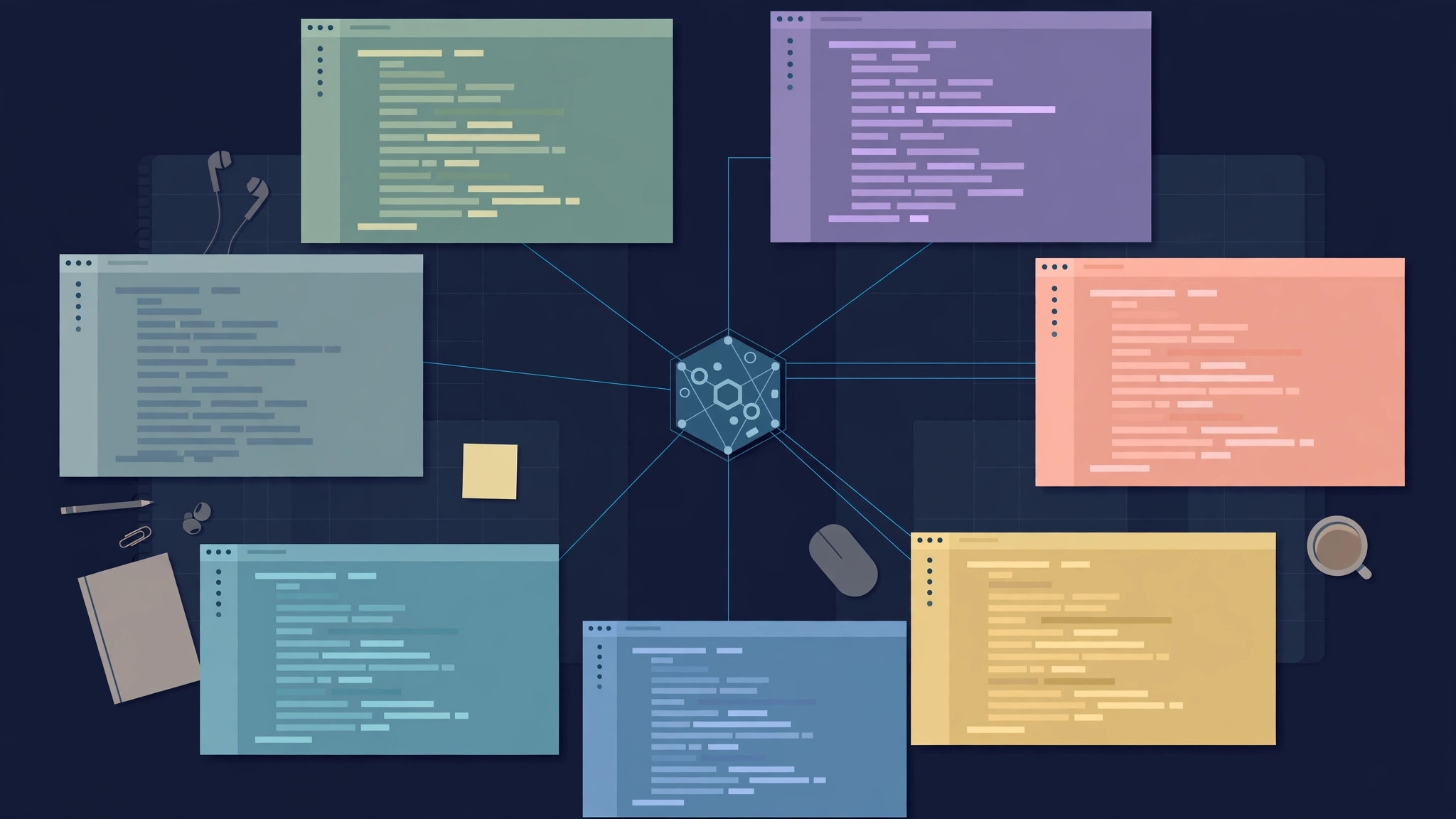
Conductor was founded in 2024. Its approach gives each agent a separate workspace, so developers can advance different parts of a project at the same time instead of waiting on a single session. Crucially, these agents are not built by Conductor itself; they come from major labs such as Anthropic and OpenAI, and Conductor provides the way to organize and run them in parallel, in the cloud, locally, or on a phone. For Meta, this fills a gap in the developer toolchain: in August it launched its own coding agent, Muse Code, its Muse agents reportedly already have more than 10 million users, and over the past year it has also acquired agent platforms such as Moltbook. Models can be swapped, but once developers get used to an orchestration experience, it is harder to replace.
What it means for existing users
Existing users have a clear timeline. Conductor's core features will keep working as before until early next year, but the cloud service is the exception: it shuts down on November 20, after which the company will begin deleting cloud data. Teams using the cloud service need to move their projects and data out before then, rather than assuming it will stay online. The price was not disclosed, so outsiders cannot tell from this deal alone how much Meta paid for this orchestration capability, but the direction is clear: the big labs are no longer competing only on whose model is stronger, but also on who owns the workbench developers actually code in every day.