In an official blog post dated October 30, 2026, Figma introduced Figma Weave, a new platform for creative teams with ongoing production needs. It turns the process of generating and editing images and video into nodes connected on a canvas: each node handles one step, the connected nodes form a complete workflow, and changing an earlier node updates what follows. Figma's argument is that the value of creative work lies not only in the finished result, but also in the process that produced it. When the process can be reused, a team does not have to start from a blank page every time.
Branches, side-by-side comparisons and editing nodes
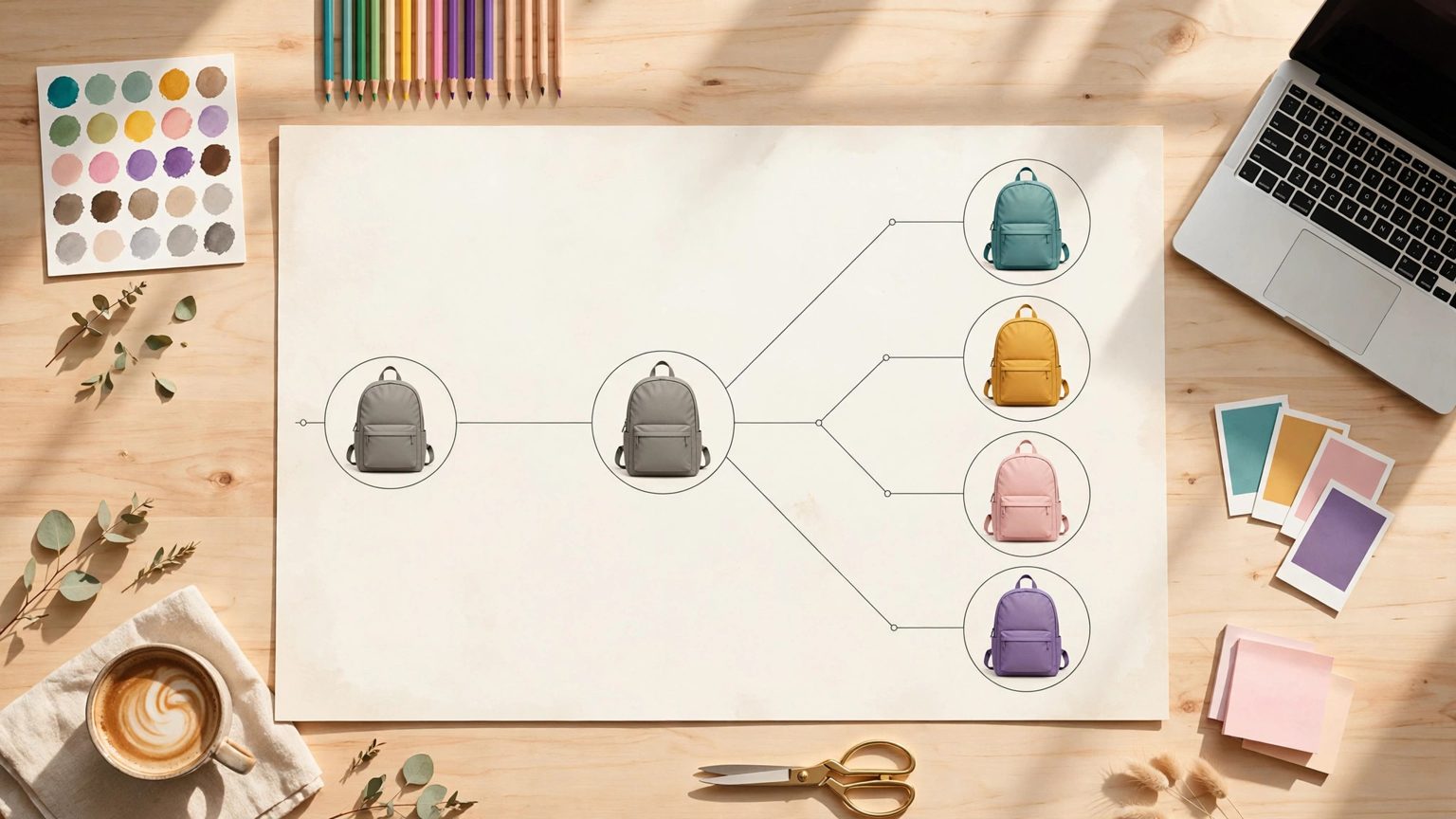
The Weave canvas supports branches: the same starting image can split into different directions, each trying a different prompt or edit, while the original version is always kept. The same prompt can also be run through different models and compared side by side to see which best matches the intended result. The blog also lists a set of editing nodes: colour correction, compositor, levels, crop, video trimming, and Painter, which lets users paint directly on an image. Figma's own advice is practical: check intermediate results before moving on, so an early mistake does not get amplified downstream; write prompts specifically, and state clearly which parts should stay unchanged when editing.
A workflow can be packaged as a tool
The most important step in Weave is reuse. A team can package a workflow that works into a Weave tool, so other members do not need to touch the nodes or write prompts from scratch: upload the material, click generate, and the result comes back. Tools built by others are already available in the Figma Community and can be tried directly. The Figma node connects a frame from Figma Design into a workflow, and when the original frame changes, the corresponding node in Weave updates with it. For design teams, what makes Weave worth attention is not another generation entry point, but that it turns "prompt, generate, revise" into a process that can be preserved and reviewed. How much time it saves, though, depends on whether a team is genuinely willing to settle its workflows, rather than each person writing their own prompts.