Hyperbolic announced on 27 October 2026 that it had closed a $30 million Series A1 funding round, led by Walden Catalyst, the venture firm co-founded by Intel CEO Lip-Bu Tan. The San Francisco company does not aim to build another data centre. Instead, it wants to connect GPU compute scattered across more than 300 cloud providers into a single network, so that idle capacity can be bought and sold.
What the money is for
Other participants include Dell Technologies Capital, General Catalyst, Vista Equity Partners, Cambium Capital and Salience Capital. Including this round, Hyperbolic has raised $50 million in total. The company says the funding will advance Forge, its unified control plane, expand multi-cloud orchestration and value-added services, and build what it calls the first Global Compute Grid. Forge standardises bare-metal GPU clusters from different providers into uniform infrastructure, letting customers provision and migrate workloads through one dashboard and one interface.
- Landscape: the GPU cloud market is spread across more than 300 providers with different hardware, networking and software standards, leaving customers to juggle multiple accounts, contracts and technical integrations;
- Users: more than 250,000 developers use compute on the platform, including teams at Modal, Higgsfield, Daytona and HeyGen;
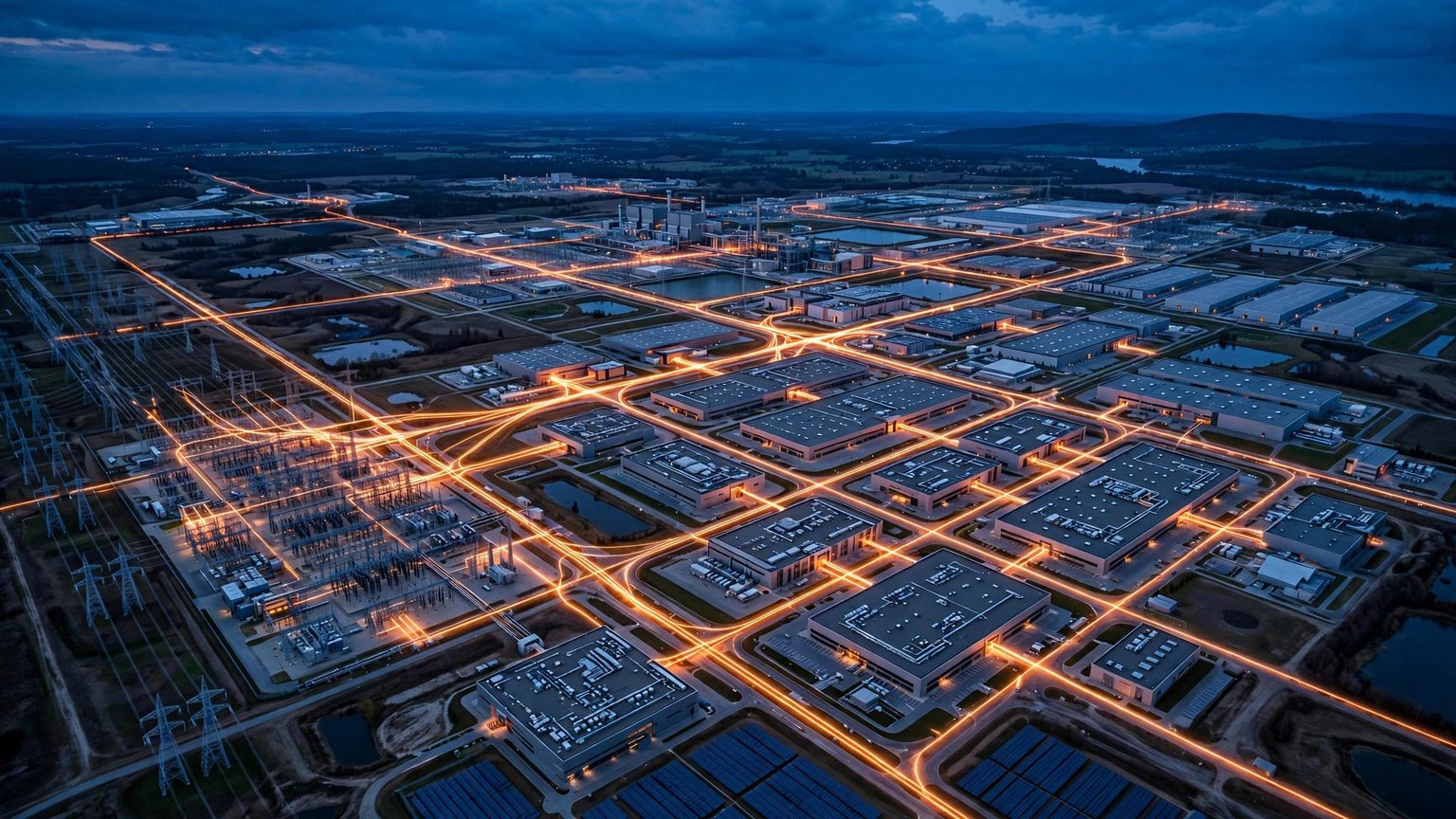
- Vision: customers obtain capacity against a deadline and a budget, and eligible unused capacity can be resold — compute drawn as needed, like electricity.
Why money is flowing to the middle layer
The other side of the compute shortage is idle compute: teams sign long leases sized for peak demand and watch capacity sit unused in quieter periods, while providers holding hardware struggle to find the right orders. Hyperbolic is betting that the bottleneck is not the number of chips, but scheduling and trading. Its vision also includes AI agents discovering and buying compute on their own, within set budgets and rules — if agents really become the largest buyers of compute, manual comparison shopping and contracting will not keep up. The counterweight is scale: $30 million is a small sum in the capital race for AI infrastructure, and whether the grid works will depend on securing cheap, reliable supply on an ongoing basis, not on the funding announcement itself. For developers, the nearer-term value is more concrete: capacity on demand without maintaining accounts and contracts at several clouds at once, plus a chance to turn idle capacity into revenue.