On October 24, 2026, TechCrunch reported on Dessa, a new voice model from Block's research lab: it does not pass through text, listening in sound and answering in sound. Block founder Jack Dorsey wrote in an October 23 post that talking with it feels like talking with a person, full of emotion, pauses and a natural rhythm. The model is still a research preview that ordinary users cannot yet use, but it points down a different path from mainstream voice assistants.
Without a text detour, half the information in sound is not lost first
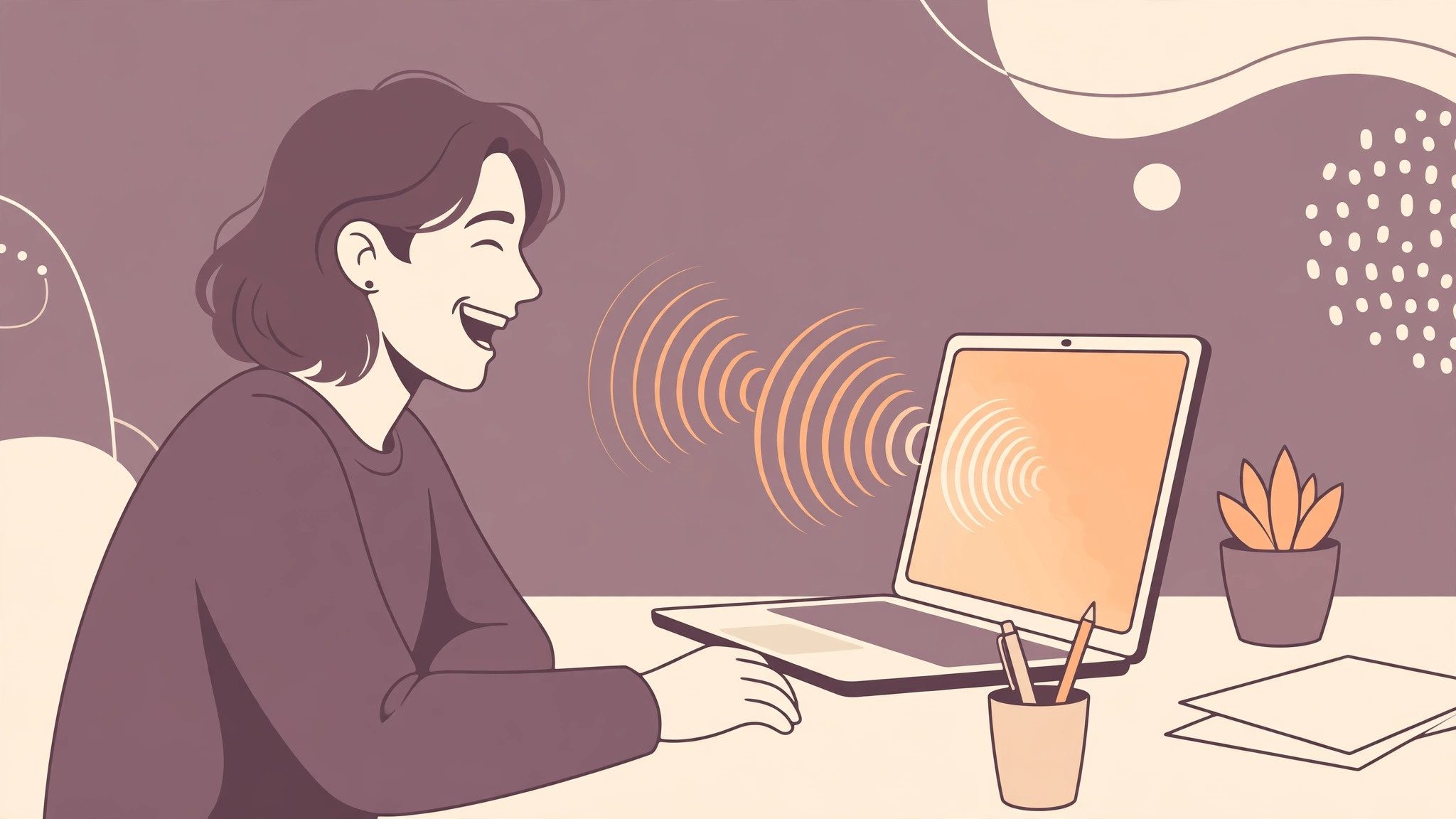
Most voice assistants first turn speech into text, then let a language model think up an answer and finally synthesise speech. Emotion, tone, laughter and pauses, which exist only in sound, can be thrown away in that first step. Dessa is a full-duplex voice model: it listens while it speaks, can interrupt and take turns, can keep a conversation going with short responses such as “yeah” or “got it”, and can hear emotion, sarcasm, laughter, sighs and changes in tone. In conversation demos published by Block, the model genuinely sounds tired when it says it is tired, and laughs when something amuses it. Emotion is not a label pasted on afterwards; it is a way of expressing itself that the model learned from sound.
Trained on human voices alone, on a single machine
Block says Dessa was trained from scratch on recordings of human conversation only, with no text and no pretrained models. It learned language from “hundreds of times fewer words”, although language models also have to learn code and other things, so word counts cannot be compared directly. Training used a single NVIDIA GB200 NVL72 system, inference runs faster than real time, and the model can run locally on a MacBook Pro with an M4 Max chip or better. That means voice conversation does not necessarily have to depend on a cloud-scale model and a text pipeline: a smaller, specialised voice model can also sound strikingly human.
Sounding human is exactly the first hurdle it has to clear
Block has not published the model size, dataset size, latency figures or formal benchmark results, and has given no public release date. Early testing is currently open only to a small group of AI safety researchers, alongside a public waitlist. TechCrunch notes that Block is most likely trying to map the risks first: a voice assistant that sounds too human could plausibly be used to impersonate a real person at the other end of a phone call. The more natural the voice, the more important it becomes to verify who is speaking, label the AI identity and keep a checkable record; otherwise a technical achievement in sounding human can easily become a problem of trust. For ordinary users, Dessa is currently worth following as a technical direction rather than as a product to download right away: it shows that voice need not depend on a text pipeline, but before it enters everyday products it still has to answer questions about safety, labelling and verifiability.