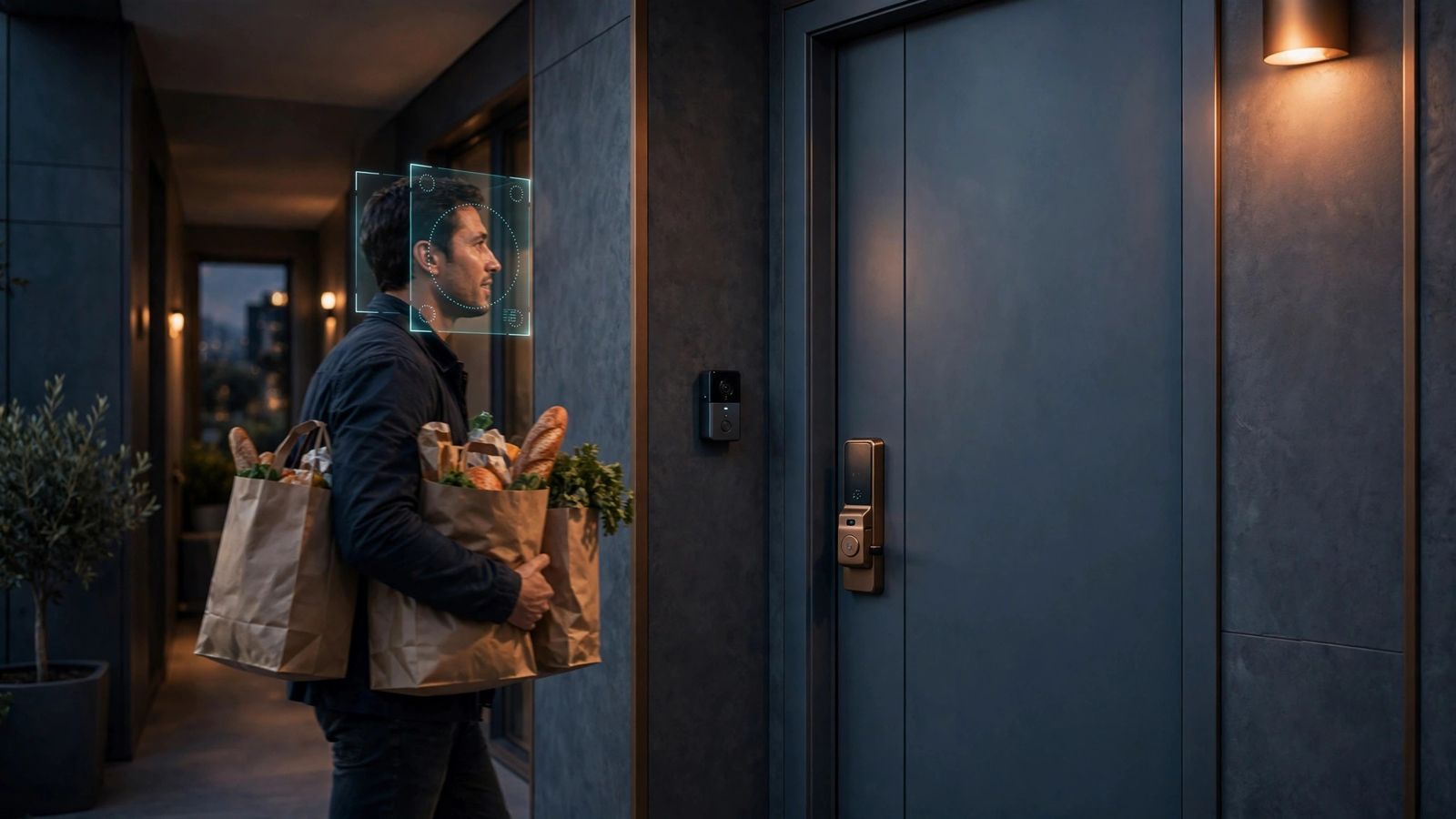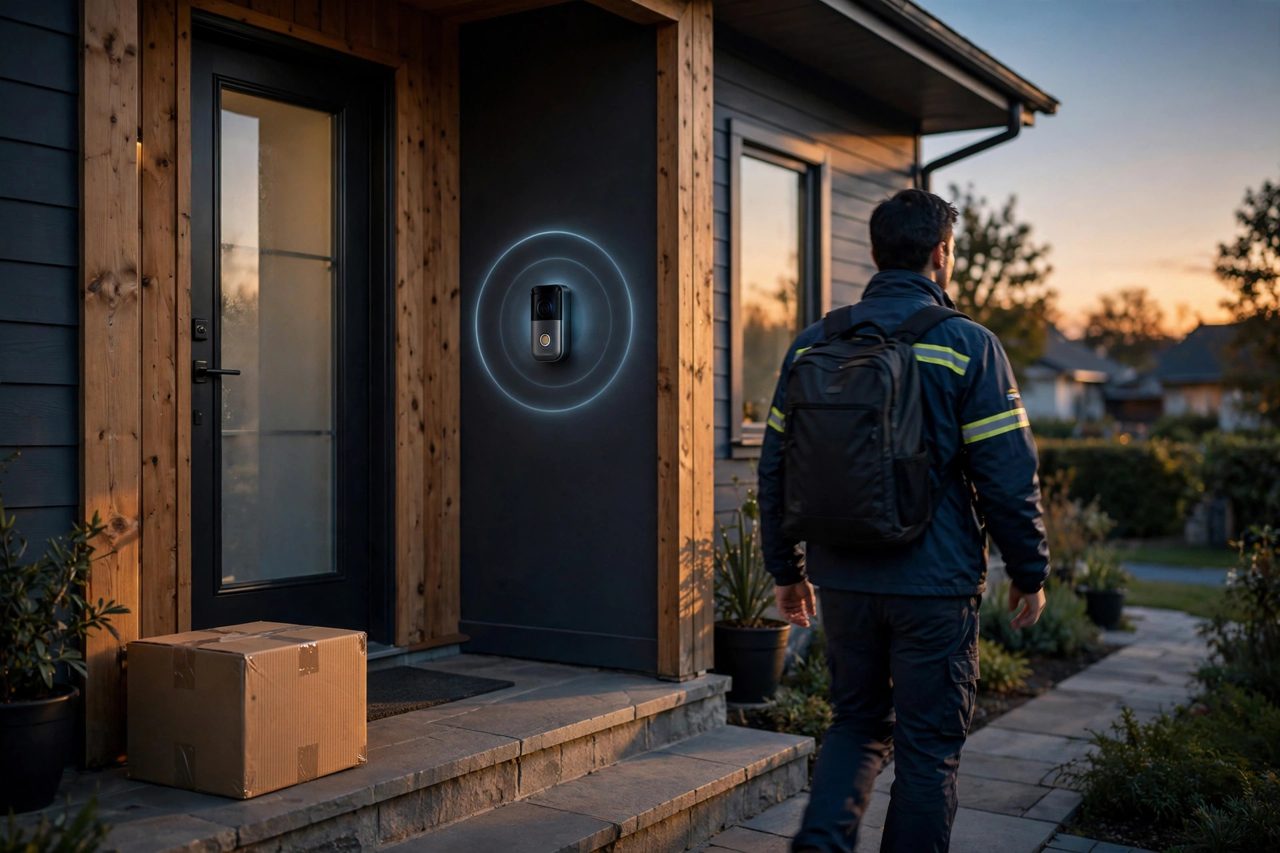
Whether a smart video doorbell is worth buying starts with whether anything real happens at your door. Frequent deliveries, regular travel, or living alone and wanting peace of mind — it answers who came by and whether the parcel is still there. If it is just novelty, its subscription fees and battery chores will outlive the novelty. The category's biggest recent gain is AI recognition: it can tell a person from a car or a swaying tree shadow, so notifications stop being spammed by passing headlights.
Only three selling points really matter
First, person and parcel detection. When someone lingers or a package lands, your phone gets a notification with an image, instead of buzzing at every gust of wind. Second, two-way talk and pre-recorded replies. Away from home, you can still tell a courier where to leave a parcel or answer with a recorded message. Third, event playback. If something actually happens at the door — a parcel taken, someone loitering — you can pull up the recording, which a traditional doorbell that only rings can never offer.
Work out three costs before buying
The first is the subscription, and it is where products diverge most. On the cloud route represented by Ring, person and package detection and video history sit inside paid plans; without one you are left with live view and basic alerts. On the local route represented by Eufy, recognition runs on the device and recordings live on a home base station, so core features carry no monthly fee — but if that base station is damaged or stolen, the recordings go with it. Ask one question before buying: if I stop paying, what functions remain? The second cost is power. Battery models are easiest to install but need removing and recharging every few months, and busy doors drain them faster; if your home has existing doorbell wiring, a wired model saves the recurring chore. The third is network and privacy. Weak Wi-Fi at the door means stuttering video and late alerts that ruin the experience, so test your signal at the doorstep with your phone first; and a camera pointed at shared space raises questions of coverage and neighbours' comfort — some housing communities have explicit rules about such devices.
Three last checks before you order
First, does the doorway fit? If your door faces a lift lobby at close quarters, settle property rules and neighbours' attitudes first; people living alone, travelling often, or receiving many deliveries are exactly who it serves. Second, are you willing to live with it? If you will not recharge batteries or read app alerts, a plain video doorbell with local recording is honestly less trouble. Third, fix the route before comparing specs: cloud subscription or local storage first, then night vision and image quality. Do not pay for resolution you will never use — at a doorway, accurate detection with no missed alerts matters far more than extra megapixels.