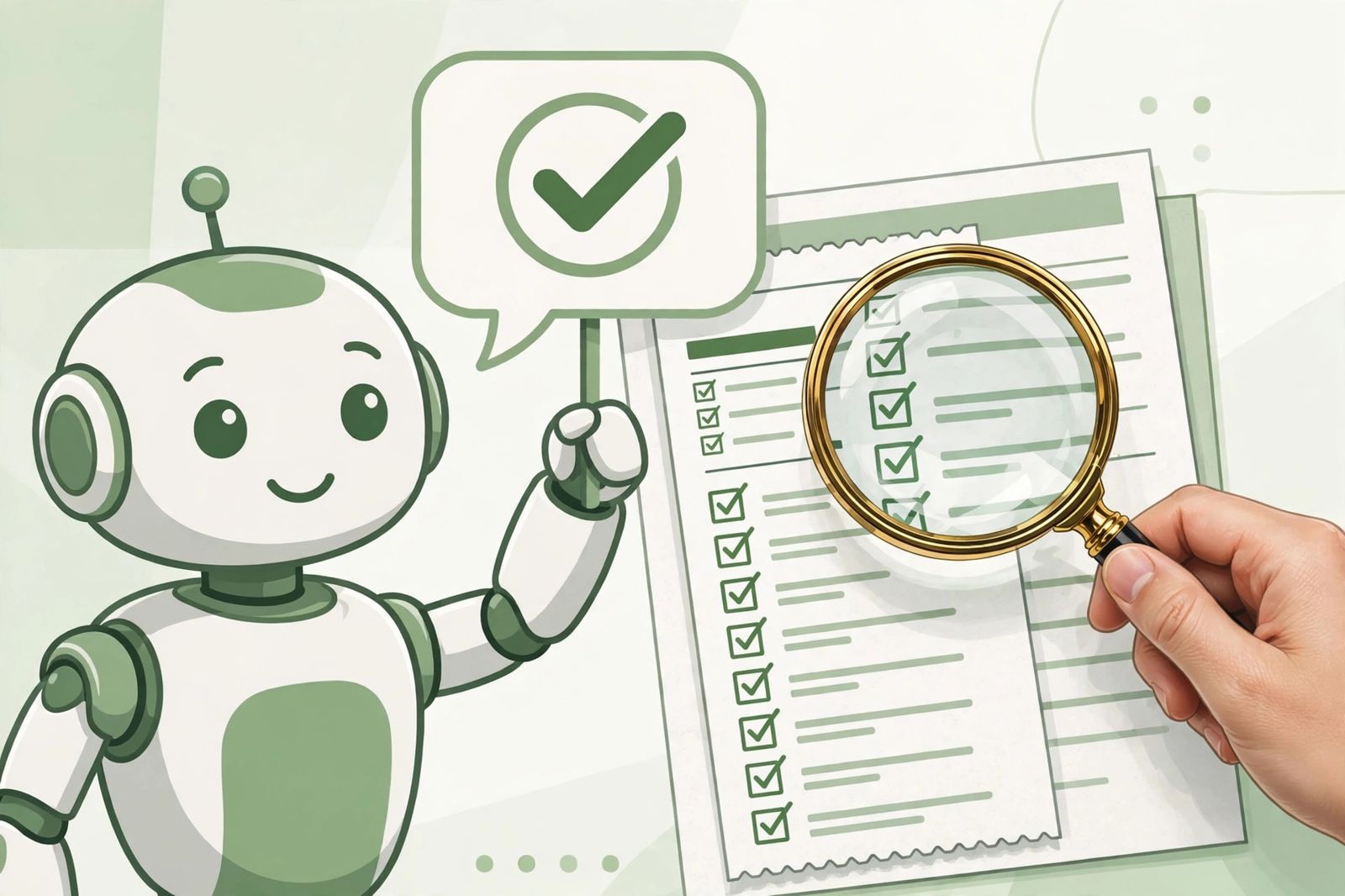
AI-written text should not be submitted as is. The problem is not using AI itself; it is that the draft usually smuggles in three things: invented facts, references that do not exist, and judgements that are not yours. Once your name is on it, the responsibility is yours too. Assignments, articles and weekly reports all follow the same rule — run the four checks below first, then submit.
Check one: verify every fact and citation
Numbers, names, dates and sources are where AI drafts fail hardest. A model can dress up a non-existent paper with an author, a year and a journal title, formatted perfectly, and all of it is fake. The fix is dull but effective: trace every concrete figure and citation in the draft back to its original source, and delete anything you cannot find rather than keeping what merely looks true.
Check two: replace its judgements with your own
The signature flaw of AI text is being correct sentence by sentence and empty overall, because it writes in greatest-common-denominator phrasing. Go paragraph by paragraph and ask two questions: do I actually agree with this, and could I say it out loud with my own example? Any paragraph that fails gets deleted or rewritten in your real view. What an assignment tests and an article buys is your judgement, not fluent wording.
Check three: align the voice with yours
AI tone clashes with its author easily: someone who normally writes short sentences suddenly produces long periodic ones, with strings of terms they never use, and teachers and editors spot the mismatch at a glance. Before submitting, read the whole piece aloud in your own habits of speech and revise, watching the first paragraph and the ending most closely — style shows there first.
Check four: confirm the rules of your setting
Settings differ widely in how they treat AI assistance: some schools and journals allow polishing with a declaration, some employers classify ghostwriting as a violation, and some client contracts ban generated content outright. Spend two minutes checking the rules that apply to you, and declare what must be declared — declaring upfront costs far less than explaining after discovery.
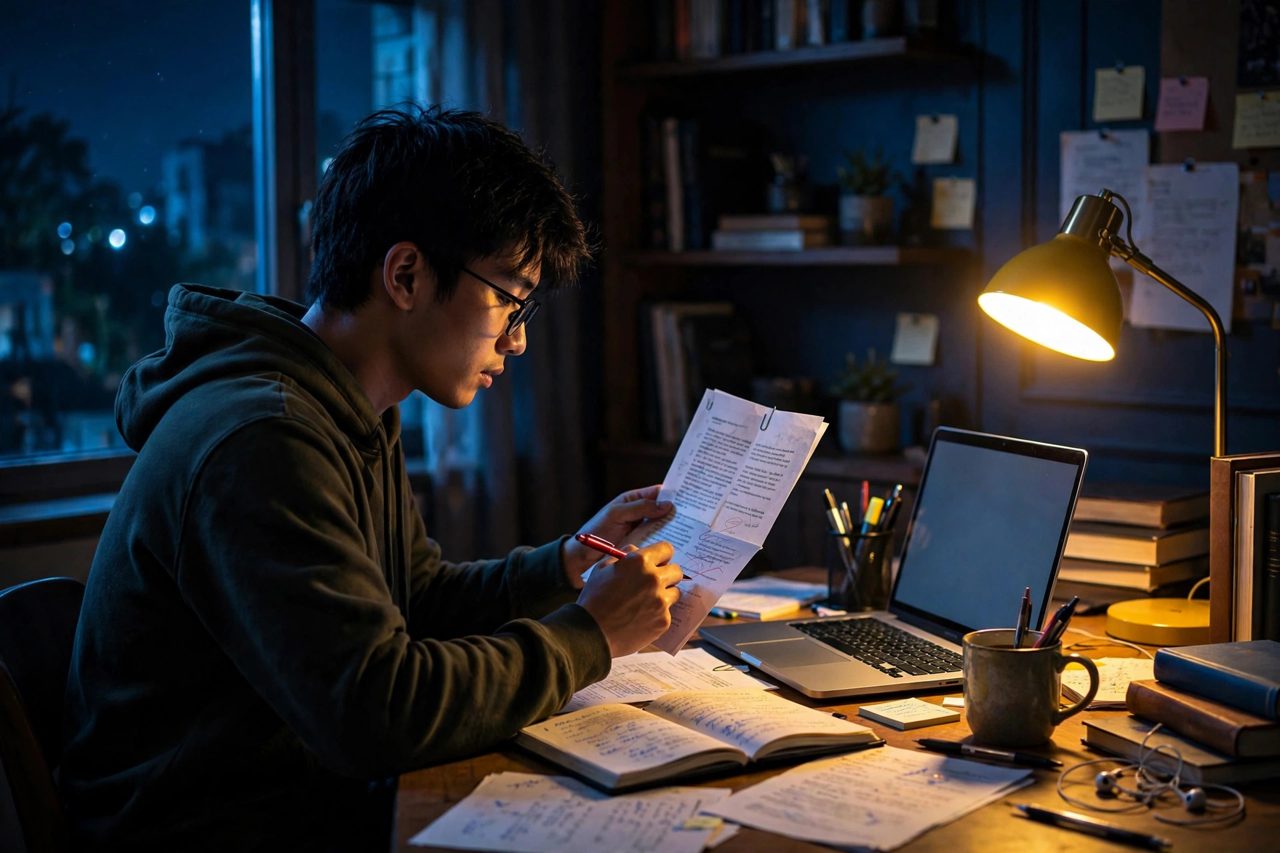
One simple final test: put the draft aside for half an hour, then reread it from the top as if your signature were already on it. Every sentence whose source you cannot explain, or that you would not dare say in person, gets fixed before submission. A draft that passes that reading is finally yours.