Gemini 4 Argon was released by Google in an official blog post on October 13, 2026, and is now globally available: developers and enterprises can call it through the Gemini API in AI Studio and on Google's cloud platform, Google AI Ultra subscribers can use it in Google Antigravity, and Ultra and Pro subscribers can try it in the Gemini app and in AI Mode in Search. Google positions Argon as a frontier model built for complex, long-running work, strongest in multi-step domains such as coding, finance, legal, cybersecurity and science, and it ranks first on the Vals Index, which measures performance across economic sectors including finance, coding, legal and tax work.
Price and who gets in first
Argon launches at $2 per million input tokens and $10 per million output tokens, with cached input tokens discounted by 95% and a unified input-output limit of 1 million tokens via the API. Everyday free-tier users are not in the first wave: access goes mainly to paid subscriptions and the paid API tier. Google is also offering 10,000 scientists the chance to apply for six months of free access to Antigravity's highest usage tier, admitted on a rolling basis subject to eligibility and capacity, while cybersecurity defenders can apply to the Fairwind Program to use a version with some cyber guardrails relaxed under controlled conditions.
Google tested it on its own hardest engineering problems
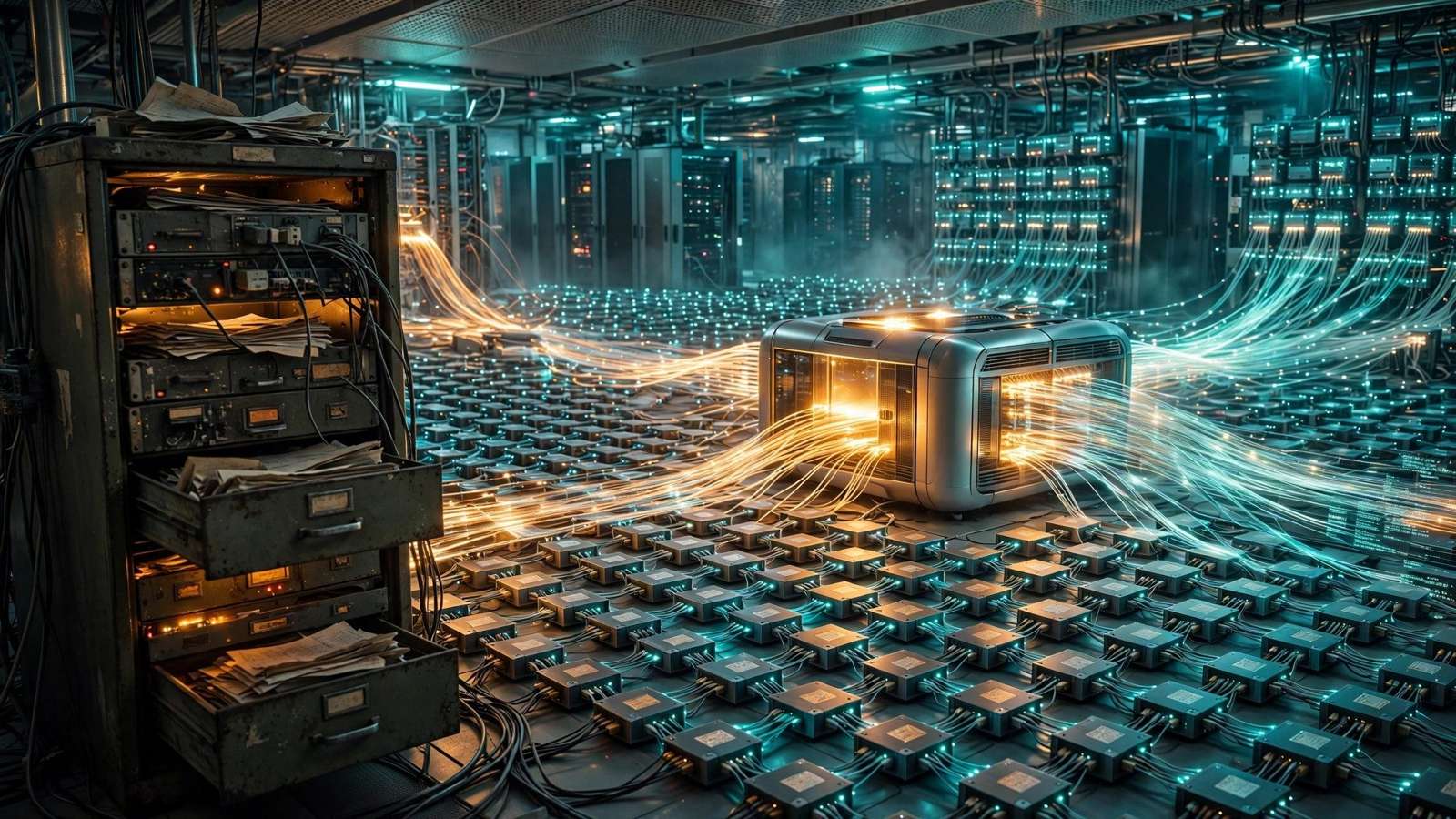
Most of the results in the launch post come from inside Google. The Chrome team used Argon to untangle a roughly 6-million-line legacy feature folder inside Chromium's roughly 40-million-line codebase, completing an architectural refactor across hundreds of files and compressing months of work into weeks. The team behind the open-source Agent Development Kit gave Argon a one-paragraph goal and its own rulebook; running autonomously overnight, it produced optimizations that cut in-memory session preparation time by 40% in long sessions and sped up cold imports by 21%, and the changes are now live in the official repository. Argon also delivered a 2.85x end-to-end inference speedup for Google's open Gemma 4 E2B model on an A100 via vLLM with full token parity, and made the quantum chemistry package xTB up to 2.3x faster at predicting molecular structures. Google says internal teams using Argon in Antigravity raised agentic code submissions by more than 35% while cutting code rollbacks by nearly a third. All of these figures are self-reported by Google, with no third-party replication yet.
Watching one human video, a humanoid sinks seven throws in a row
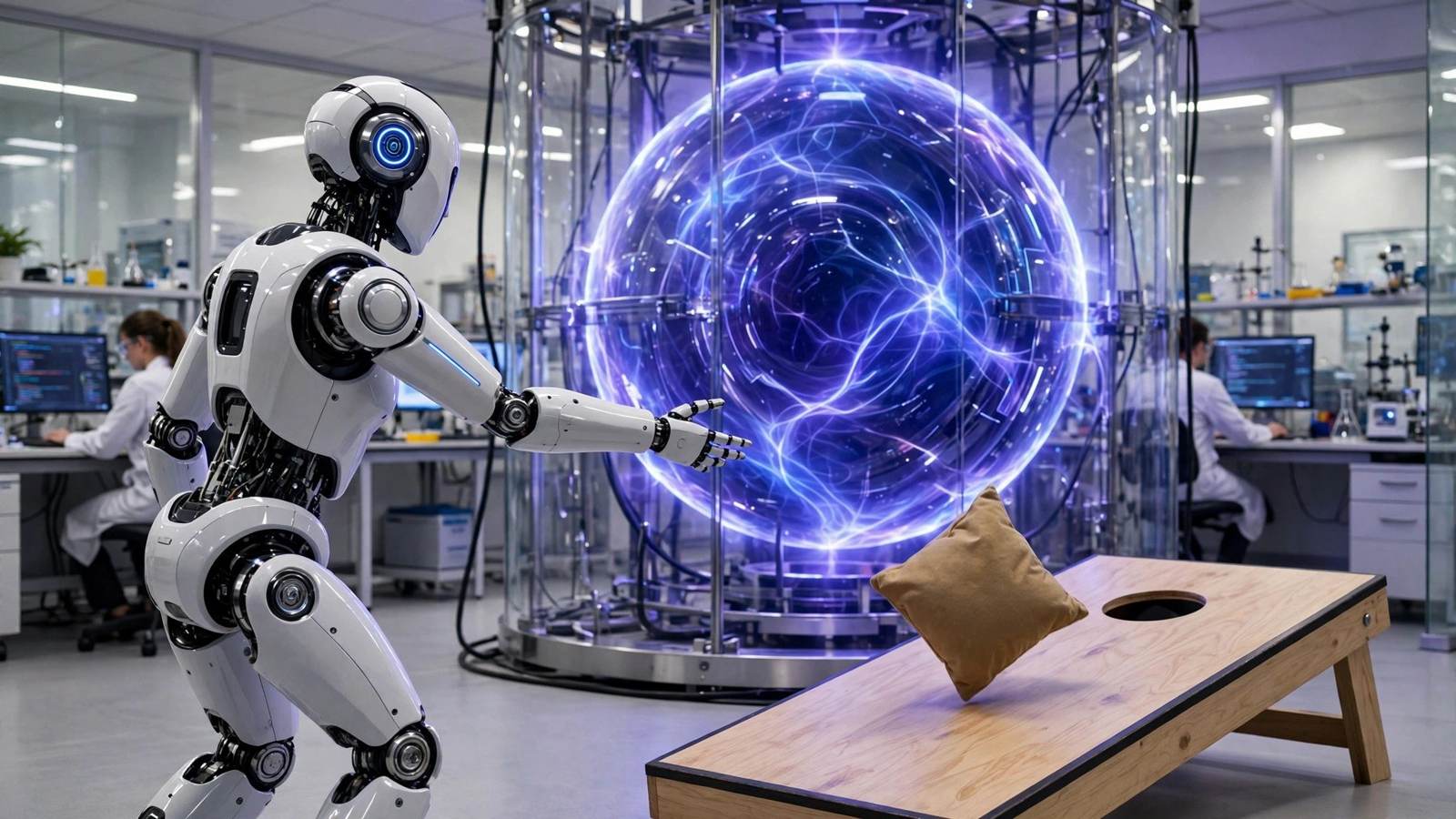
In a separate post the same day, Google DeepMind detailed Argon's robotics abilities. On the ERQA embodied reasoning benchmark, Argon scored 87% using pure reasoning, ahead of other frontier models. In an internal test, it watched raw video of a human playing cornhole, mapped the spatial coordinates, calculated the whole-body joint movements and wrote the simulation code itself; transferred onto Apptronik's Apollo humanoid, the robot then sank seven consecutive shots in a real-world trial. DeepMind calls this pipeline Video-to-Sim-to-Real: simulation environments that once took weeks of manual modeling can now be generated in hours. For robotics, the implication is that a general model is starting to handle perception, reasoning and control-code generation at once, and robot training data can now come from ordinary video, not just purpose-collected datasets.
A thicker safety stack for a stronger model
Google devoted substantial space to safeguards. Argon's violation rate on an adversarial test set fell by nearly half versus its predecessor, external bio red teams unlocked less than 1% of tested sub-tasks, shortcut attempts on coding benchmarks dropped to 2%, and on an indirect prompt injection benchmark the success rate across 15 adaptive attempts was cut to 0.7%. A real-time monitor also reads the agent's reasoning and actions and blocks unauthorized workarounds. These numbers all come from Google's own evaluations and partners' internal testing, with methodology not fully public, so for now they should be read as vendor-reported figures.
Argon's real story is not another benchmark refresh. Google is moving the frontier contest from single-turn answers toward long, multi-step work that delivers finished results: refactoring millions of lines of code, or teaching a robot a new skill from video. What external developers find over the next few months on real-world API cost and reliability will decide where it lands in coding and research toolchains.