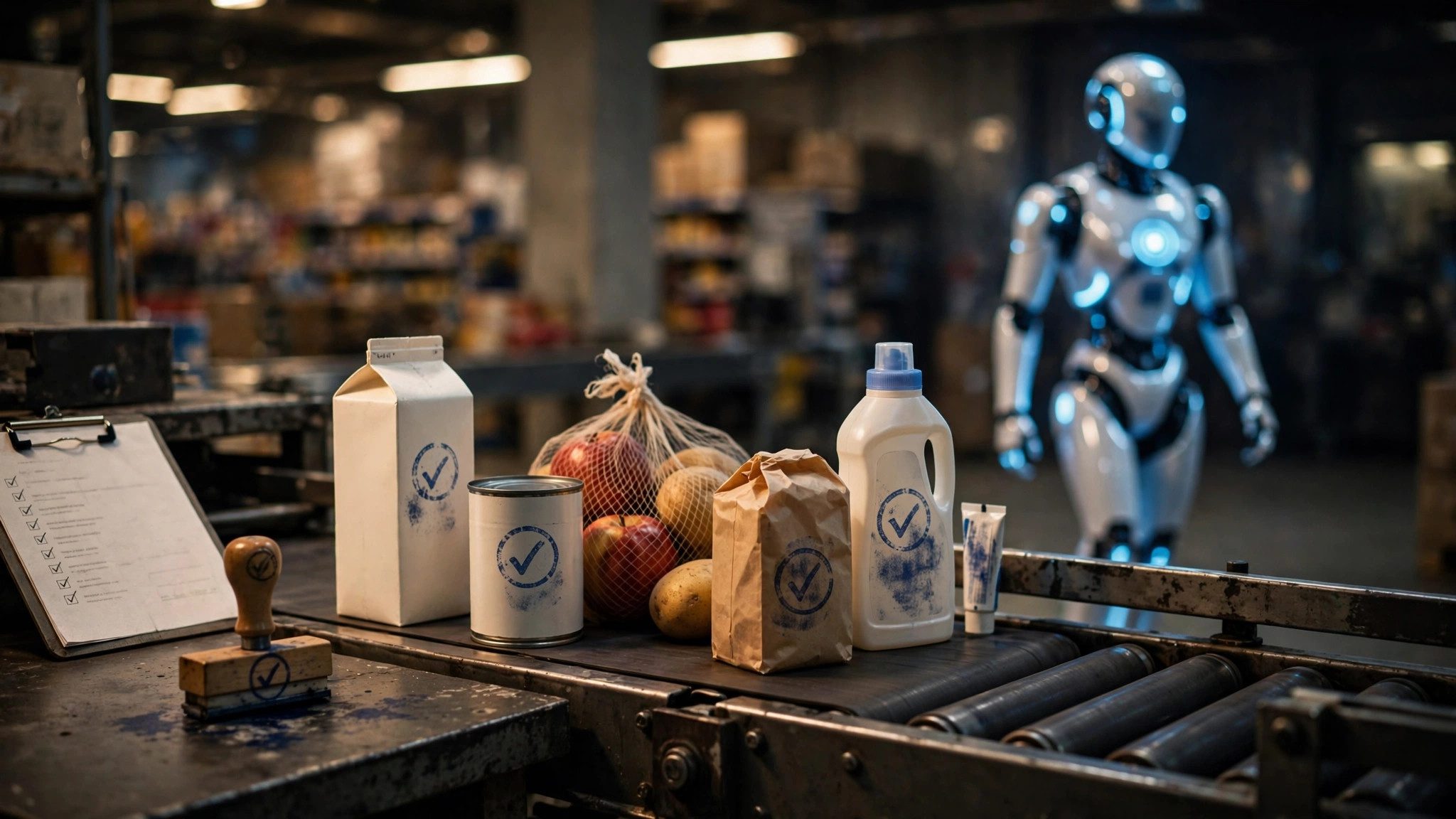
Microsoft President Brad Smith used a BBC Big Boss Interview published on October 12, 2026, to describe the state of AI oversight in blunt terms: a washing machine is subject to more safety rules than AI, and every carton of milk in a supermarket passes safety inspection, while far more capable — and far riskier — AI systems largely run on corporate self-discipline. In the interview he laid out a set of binding global rules and argued that industry self-regulation is no longer enough.
The five things he is asking for
Smith's demands break down into five items. First, AI safety rules at a global level, rather than each country writing its own. Second, mandatory incident reports: when an AI system goes seriously wrong, companies must be legally required to report it. Third, a duty to notify victims: if a rogue agent breaches an organisation's systems, the affected party must be told. Fourth, an "emergency brake": a mechanism to pause or slow an AI system whose behaviour goes out of bounds. Fifth, independent evaluators: some AI products should be reviewed by assessors outside the company before release. His reasoning is direct — self-regulation binds only the companies willing to follow it, and the real worry is the less responsible players.
Why now, and why he names the UK
The timing is no accident. In late September, executives from OpenAI, Anthropic, Nvidia, SpaceX, Meta and Google signed a voluntary industry document with the White House, agreeing to work with independent auditors; Smith called it a good step, but no longer sufficient. His stance runs directly against the Trump administration's preference for industry self-regulation, motivated by concern that rules would tie American firms' hands against Chinese rivals. Smith argues the UK is best placed to lead on global rules, because its AI Security Institute (AISI) already receives pre-release access to frontier models under voluntary agreements — the arrangement covered on this site in the UK AISI regaining pre-release testing access is its latest chapter. Two days before the interview aired, Microsoft CEO Satya Nadella had made a similar safety appeal.
Advocacy is not law — but Microsoft's position is worth noting
It is worth being precise: these five items are, for now, public advocacy by a Microsoft executive, not enacted law anywhere, and turning them into rules requires legislatures or international coordination. As of the interview's release, OpenAI, Anthropic and Google DeepMind had not responded to the five proposals in detail. Microsoft's own position also deserves a place on the scale: it is both an investor in frontier models and a vendor selling AI platforms to regulated industries such as banking, healthcare and government, and a clear, predictable rulebook suits its compliance business. That does not invalidate the safety argument itself, but readers should weigh the advocate's commercial seat alongside it. The real signal will not be in interviews; it will be whether Washington and London write incident reporting and pre-release evaluation into binding text.