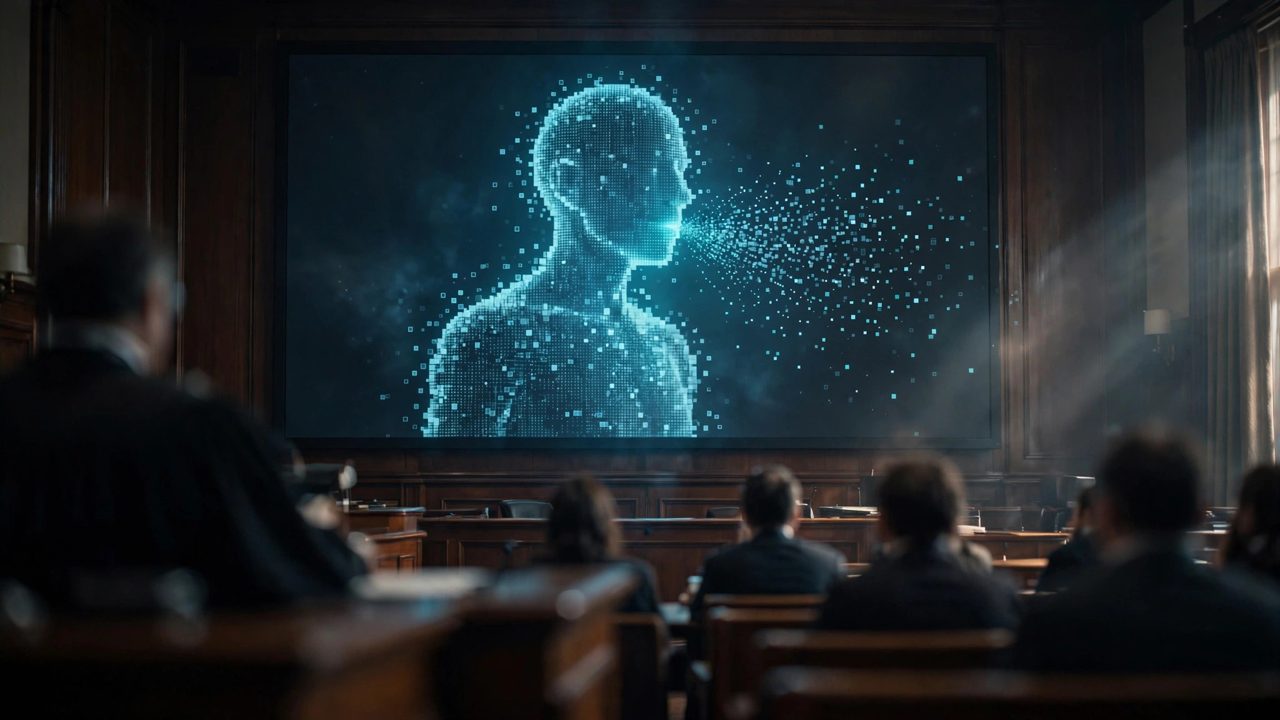
An AI-generated victim video has been described by an appellate court as carrying undue emotional weight for the first time: an Arizona appeals court has ruled that a manslaughter conviction will stand but the sentence must be reconsidered, because a video played at the sentencing hearing, generated with AI to let the deceased victim appear to speak, may have swayed the judge too far. 404 Media reported the ruling on October 7, 2026.
How the Case Got Here
In 2021, Gabriel Horcasitas shot and killed Christopher Pelkey during a road rage incident, and a jury convicted him of manslaughter. At the sentencing hearing, the victim's sister, Stacey Wales, played a video she had scripted herself and generated with AI: in it, Pelkey's likeness forgives his killer and says the two could have been friends in another life. The trial judge praised the video on the record and imposed the maximum sentence of ten and a half years. Wales later told 404 Media that swaying the judge was exactly her intention in making the video.
What the Court Actually Rejected
The appeals court did not reject a family's right to express grief. Victim impact statements are a routine part of sentencing, and judges are meant to hear who the victim was and what was lost. The problem was the form. The forgiveness in the video did not come from the victim; it was written by a family member and delivered through the victim's face and voice. What the judge faced was not a statement but a lifelike appearance by the deceased himself, with an emotional force far beyond text or photographs, and the defense had almost no way to challenge a virtual witness in the room. Ordering resentencing draws a line for such material: it may be used, but its weight must be discounted.
Questions Every Courtroom Now Has to Answer
This case will be a reference point for similar disputes, and at least three questions have no standard answer yet. First, disclosure: when AI-generated material enters a courtroom, must its method of generation and the author of its script be stated before it is played? Second, likeness rights: who may authorize making the dead speak, and what happens when family members disagree? Third, the right of reply: when a virtual statement is plainly designed to influence a sentence, what response counts as equal footing? More courts can be expected to require a generation note up front, and to decide whether such videos may be shown and whether a warning should accompany them. For everyone else, the case is a reminder that AI has made it easy to let the dead say one more sentence, but someone still has to answer for who is really speaking.