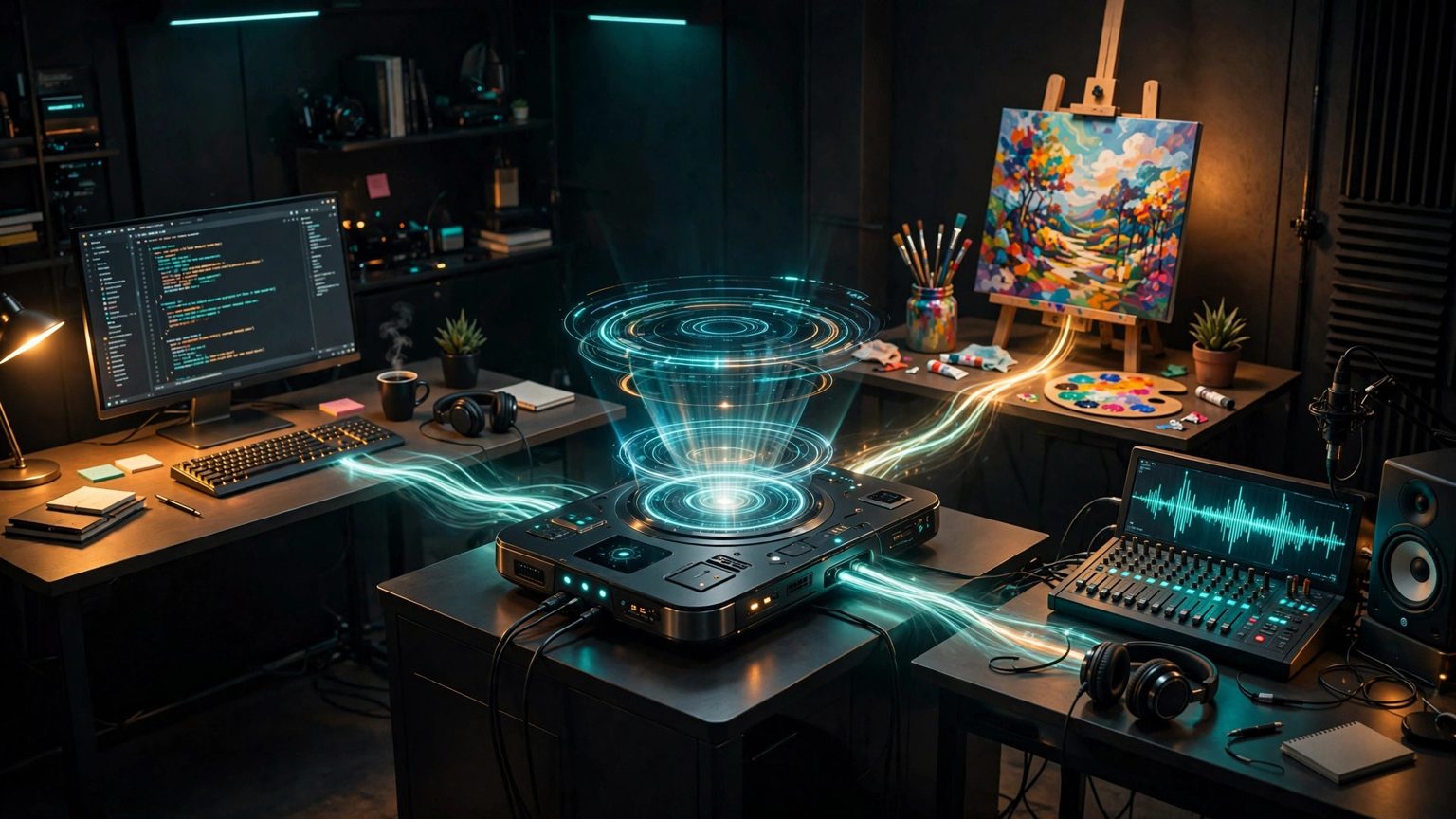
Grok Bot is changing how its back-end models get picked. On October 7, 2026, Elon Musk posted on X that SpaceX will let Grok Bot use the best back-end model for any given task, naming Anthropic's Claude Opus 5.5, image service Midjourney, music service Suno and other leading APIs, with a single criterion: whatever is most likely to produce the best outcome.
What changed is the pitch, not just the plumbing
Grok Bot launched in beta in August 2026 as a persistent agent that runs on its own cloud computer, operates a browser and the apps users connect, and keeps working after they step away. It reaches users through SuperGrok subscriptions and paid Cursor plans, and Tesla has added it to its cars. Until now it has been a showcase for Grok's own models. The shift is an admission that no single model is strongest at everything — coding, image generation and music alike — and that routing tasks behind the scenes beats making users juggle subscriptions themselves.
Three unanswered questions will decide the experience
Musk's post leaves the mechanics open. First, the routing rules: which tasks go to which provider, and judged how, was not explained. Second, user control: whether users can pick a model, see which service handled a task, or turn external routing off was not mentioned. Third, data and billing: the Bot touches connected work apps and business records, and how data flows and costs are calculated once a task is handed to a third-party API was not addressed. Existing product documentation indicates that usage analytics identify the serving model and that enterprise model allowlists are honored by default, while noting that enforcement is not guaranteed — for companies with compliance lists, that fine print matters more than the launch post.
Agents now compete on dispatch, not only on models
As the gap between leading models narrows on most tasks, agent products compete less on whose model they run and more on whether the right job reaches the right model. Musk's willingness to put rival models behind his own front door shows that the entry point and the task flow are becoming worth more than any single model. That is good news for users only if routing stays transparent: when a task is misrouted or a bill looks wrong, there has to be somewhere to check.