Nano Banana 2.1 moved to general availability on October 6, 2026 in the Gemini API release notes, under the model ID gemini-nano-banana-2.1. It is the update to Nano Banana 2, built for high-efficiency image generation and conversational editing: Google says it keeps Flash-level speed and cost while pushing visual quality further. For anyone still calling the previous model, the update also comes with a firm deadline.
The upgrade targets four familiar flaws
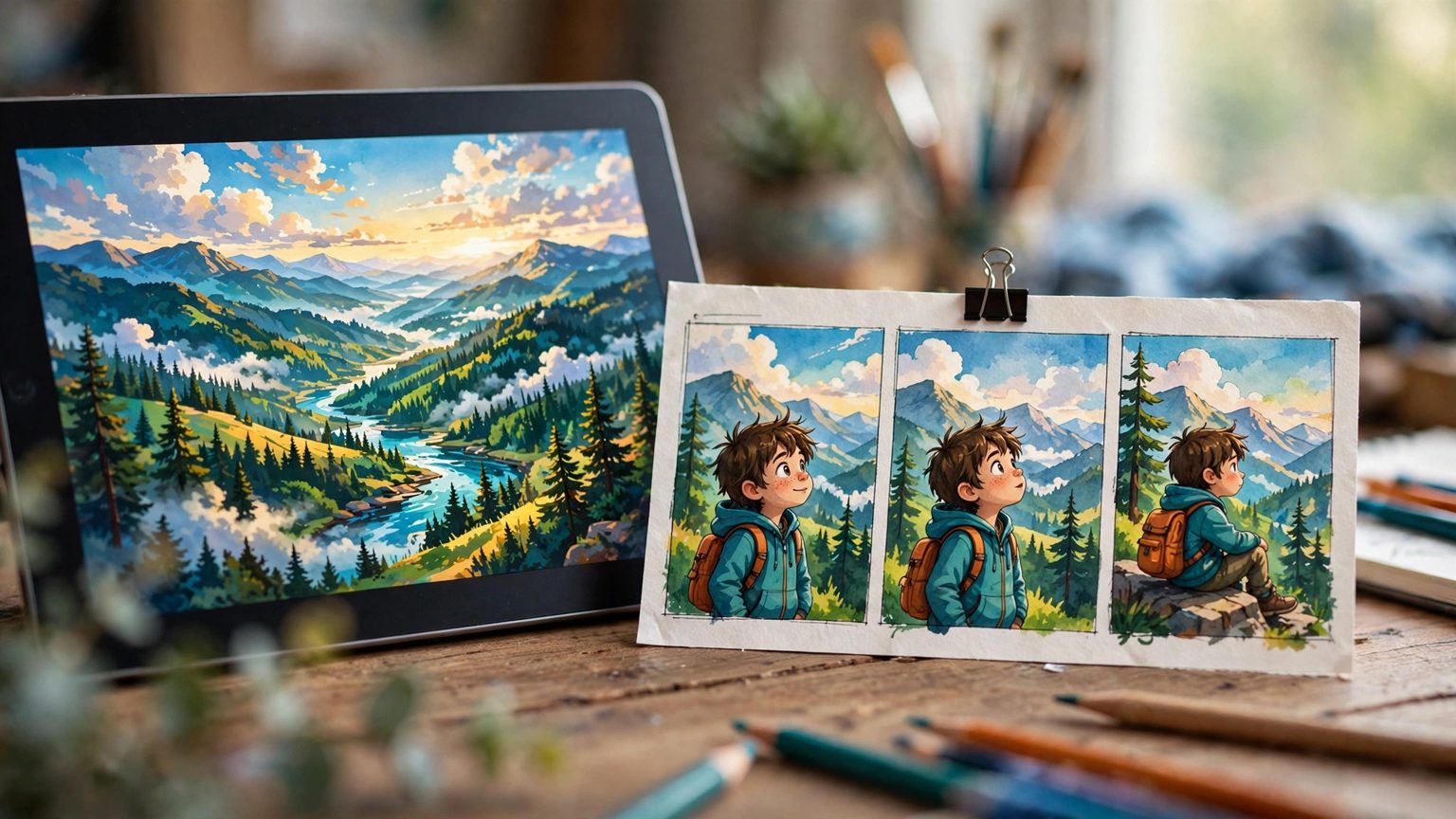
The release notes list specific improvements: visual quality, prompt adherence, character consistency across multi-turn conversations, and text rendering. The first two decide whether an image comes out right the first time. The other two are long-standing complaints about image models — by the third editing round, a character's face has drifted, and a line of text inside the picture comes out misspelled or smeared. Whether 2.1 actually fixes them is for the developer community to test, but the list itself shows this iteration aimed at the steps that cause the most rework in production, not at simply raising resolution.
Wide formats close a layout gap
This version adds support for very wide and very tall aspect ratios — 1:4, 4:1, 1:8 and 8:1 — across 1K, 2K and 4K resolutions. Long banners, vertical infographics and website hero images previously had to be cropped or stitched together; now they can be generated at the target size directly. For people producing e-commerce detail pages, ad creatives and social media layouts, that matters more than a modest quality bump, because a wrong format often costs more rework than regenerating the image.
The old model shuts down on October 29
The action item is migration: the previous gemini-3.1-flash-image is now deprecated and will be shut down on October 29, 2026, and Nano Banana 2.1 is the stated migration target. Applications running the old model ID in production have roughly three weeks. Swapping the ID itself is trivial, but image models change their output style between versions, so the responsible move is to run a regression set first — your own prompts covering character consistency, text rendering and the formats you actually use — and only then switch over completely.