AI image generation tools all look the same at first glance: type a sentence, get a picture. But once you actually use them, you find that picking the wrong tool wastes more time than not knowing how to use one. People who need an avatar end up with a bulk e-commerce tool; people making a poster start tinkering with a local deployment. Money and time go out the door, and the images still don't look right. This article sorts the four mainstream options by the three most common needs, and lays the differences out plainly.
Match your need first
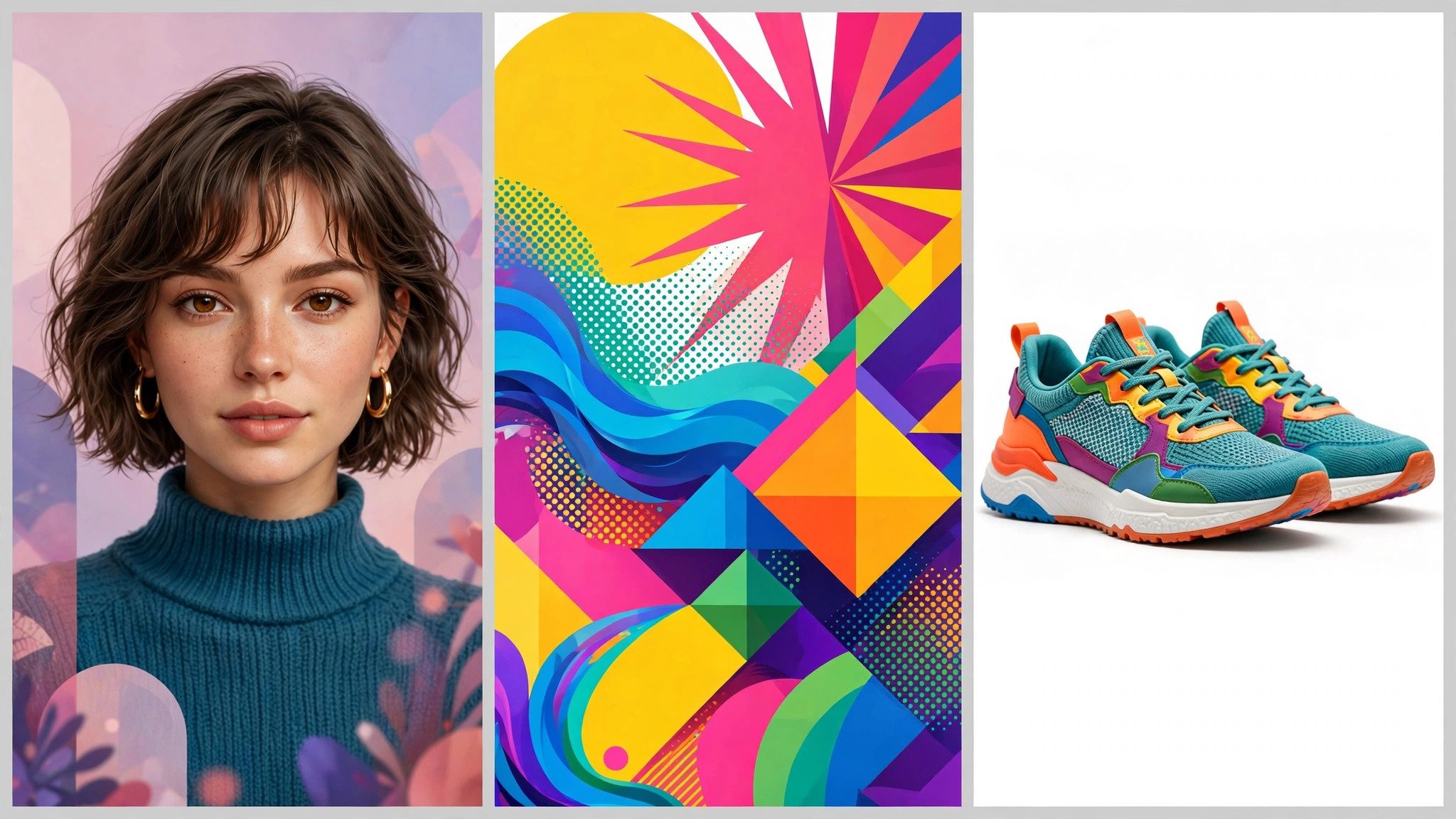
① Avatars, social profiles, art illustrations: what matters is texture and style. A single image is worth refining over and over; generation speed and batch capacity don't matter much.
② Posters and marketing assets: lots of Chinese-language scenarios, images often contain text, and holiday, promotion, and event posters are time-sensitive — you need them today.
③ E-commerce hero images and batch generation: you might produce dozens or hundreds of images a day, so cost and consistency are decisive. A unified style and the ability to run batches matter more than one stunning image.
Four options, strengths and weaknesses laid out
Midjourney: strengths are reliable aesthetics, strong artistic feel, and a community full of ready-made style parameters and techniques to borrow. Weaknesses: it has always been weak at Chinese prompts and Chinese text rendering, and it's subscription-based, so heavy use isn't cheap. Best for need ①: avatars, illustrations, art creation. Not for: people who need posters with Chinese text, cheap high-volume generation, or local deployment.
The Stable Diffusion family (including open weights like SD 3.5 and FLUX.1 [dev]): strengths are open-source control, local deployment, extremely low per-image cost for batch generation, and precise composition control through the ControlNet and LoRA ecosystem. Weakness: the barrier is high — you need a GPU, environment setup, and parameter tuning; the out-of-the-box experience is poor. Best for need ③: e-commerce batch generation, and technically capable users who want to build their own pipeline. Not for: people who hate tinkering and want something that just works.
Kling: its strength is image-to-video — turning static images into motion clips, good for animating social posts and ad creatives. Its weakness: it only solves "making it move." If you just need a static hero image, it can't help. Best for: people who already have images and want animated posters or short-video material. Not for: anyone who only needs static images.
Tongyi Wanxiang and Jimeng: strengths are good Chinese prompt understanding, friendlier Chinese text rendering, and easy onboarding — good for Chinese posters and marketing materials. Weakness: the artistic ceiling is lower than Midjourney's; those chasing top-tier quality will feel the gap. Best for need ②: Chinese posters, marketing materials, fast turnaround. Not for: people chasing top-tier artistic quality or doing mostly English-language art.
Comparison table
| Tool | Strengths | Weaknesses | Best for | Not for |
|---|---|---|---|---|
| Midjourney | Reliable aesthetics, strong artistic feel, mature community | Weak Chinese text rendering, subscription cost | Avatars, illustrations, art creation | Posters with Chinese text, batch generation, local deployment |
| Stable Diffusion family | Open-source control, local deployment, low batch cost | High barrier, environment and parameter tinkering | E-commerce batch generation, technical users | People who want plug-and-play |
| Kling | Image-to-video, image animation | Only solves animation, not static images | Animated posters, short-video material | Anyone who only needs static images |
| Tongyi Wanxiang / Jimeng | Chinese-prompt friendly, good Chinese text rendering, easy to start | Artistic ceiling below Midjourney | Chinese posters, marketing materials, fast turnaround | Top-tier artistic quality seekers |
How to choose: match your need, don't collect tools
First identify which of the three needs is yours, then check the "Not for" column — if any row hits you, rule that tool out. Most people only need one main tool: Midjourney for avatars and illustrations, Tongyi Wanxiang or Jimeng for Chinese posters, the Stable Diffusion family for e-commerce batch work. Don't get greedy: running four or five subscriptions at once just wastes money. Master one first, and add a second only when you hit a scenario it can't handle.