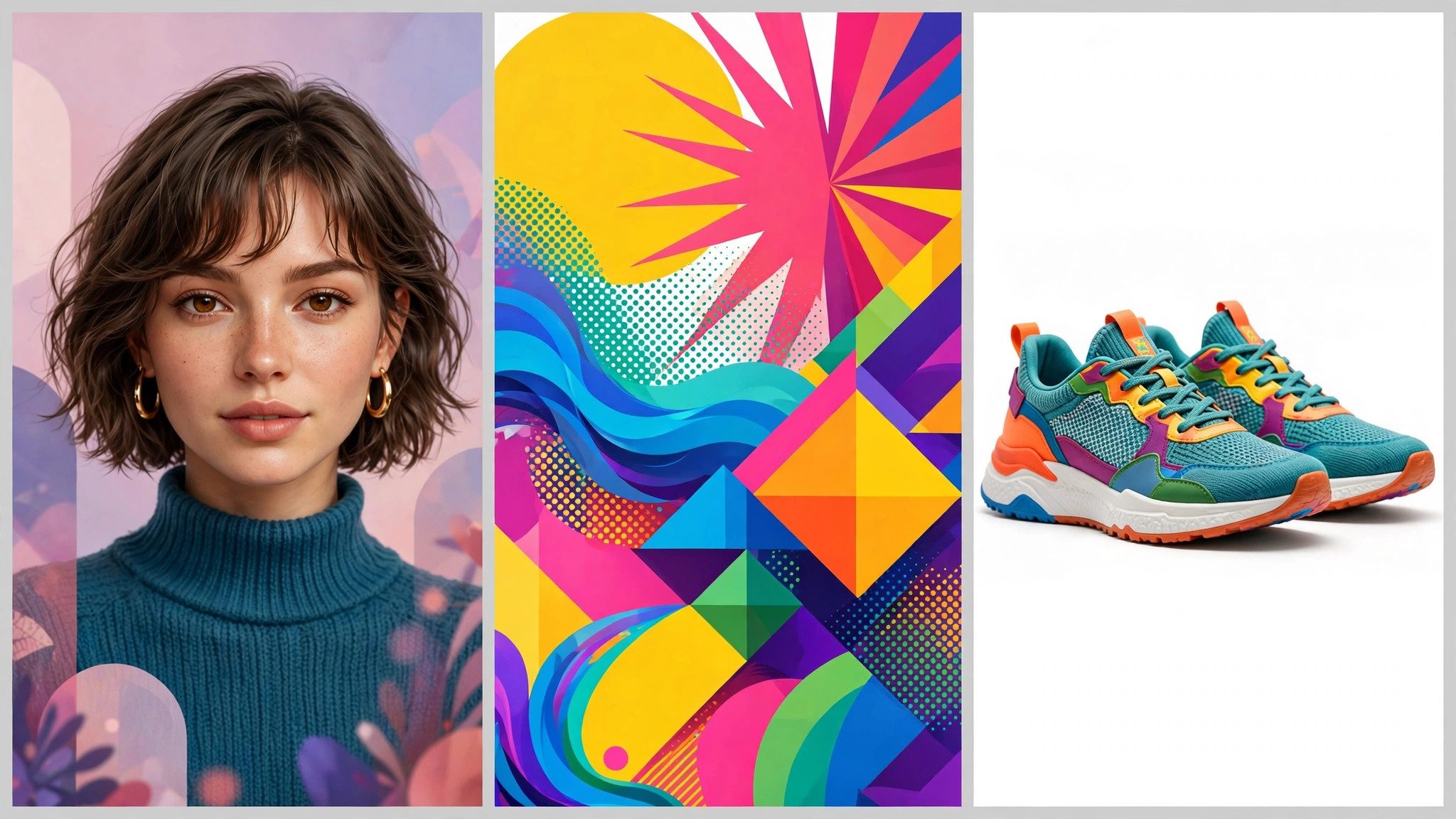
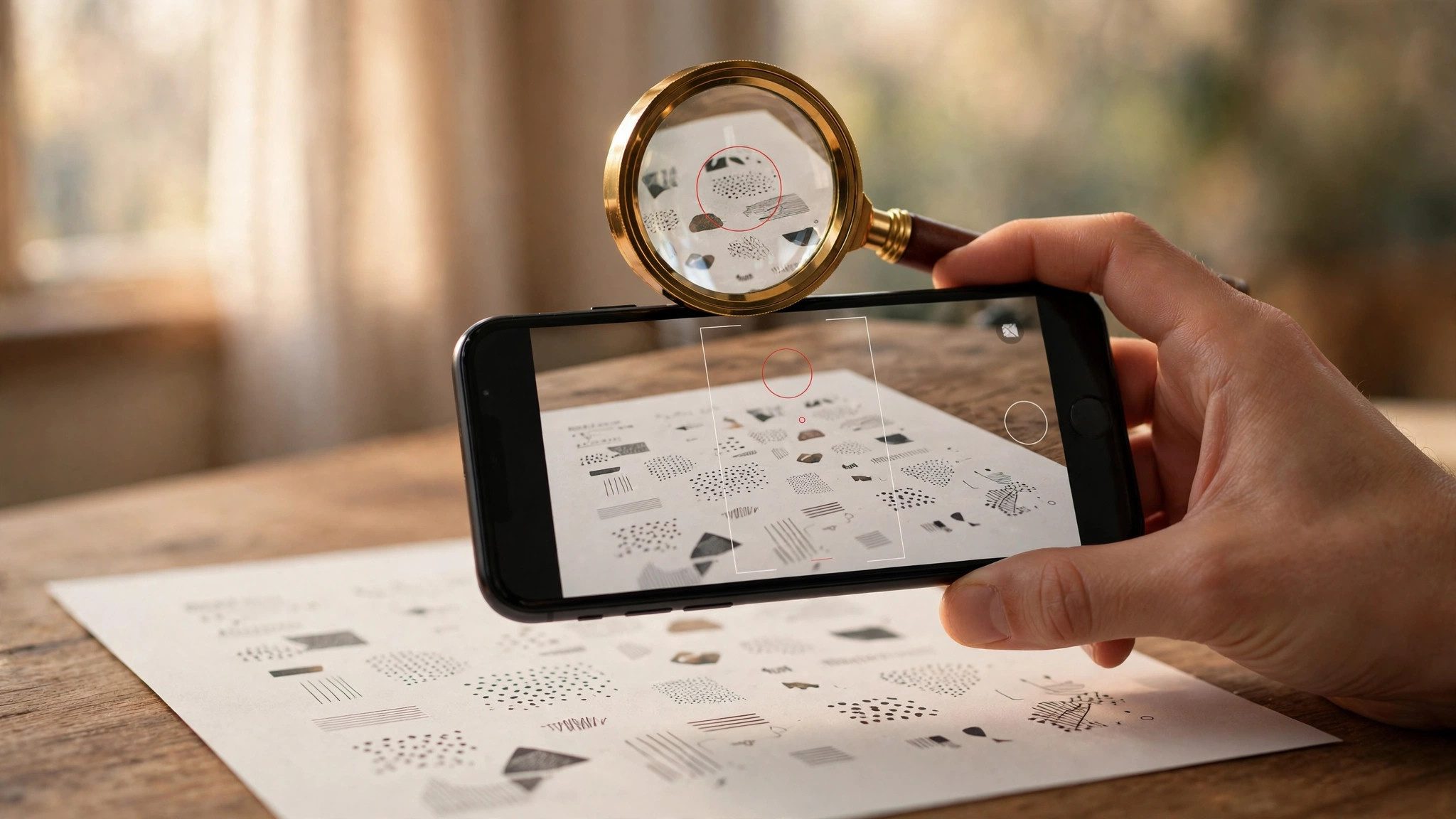
AI image recognition misreads text mostly not because the model is weak, but because the input image type does not match how you process it. Before switching models, split your images into three cases — photos, screenshots, and scanned documents — and treat each one differently. Recognition accuracy will jump immediately.
Case 1: Photos (documents, whiteboards, menus shot with a camera)
Photos most often suffer from skew, blur, glare, and perspective distortion. Before asking the AI, fix the image: straighten the paper and retake the shot with plenty of light and no shadows or reflections; crop away irrelevant backgrounds and keep only the text area; ask about just one region of one image at a time instead of throwing the whole desk in. Many "misread characters" are really just blurry photos that force the AI to guess.
Case 2: Screenshots (phone screenshots, webpage captures, chat records)
Screenshots are often small, and their text is compressed. Before asking, zoom the page to 100% and then capture so the characters are as large as possible; do not squeeze a long screenshot into one thin strip — split it by paragraph and ask in several rounds; if pop-ups or watermarks cover the text, find the original page instead of forcing it. Remember: screenshot clarity sets the ceiling for AI recognition.
Case 3: Scanned documents and PDFs (contracts, papers, reports)
These have dense text, complex layouts, two columns, and tables, so forcing the AI to read them as images easily causes skipped lines and mixed columns. The safer route is to first extract the text with an OCR tool (such as PaddleOCR) and then feed the text to the AI for understanding. Images are the input bottleneck; text is where the AI is comfortable.
Ask differently, double the accuracy
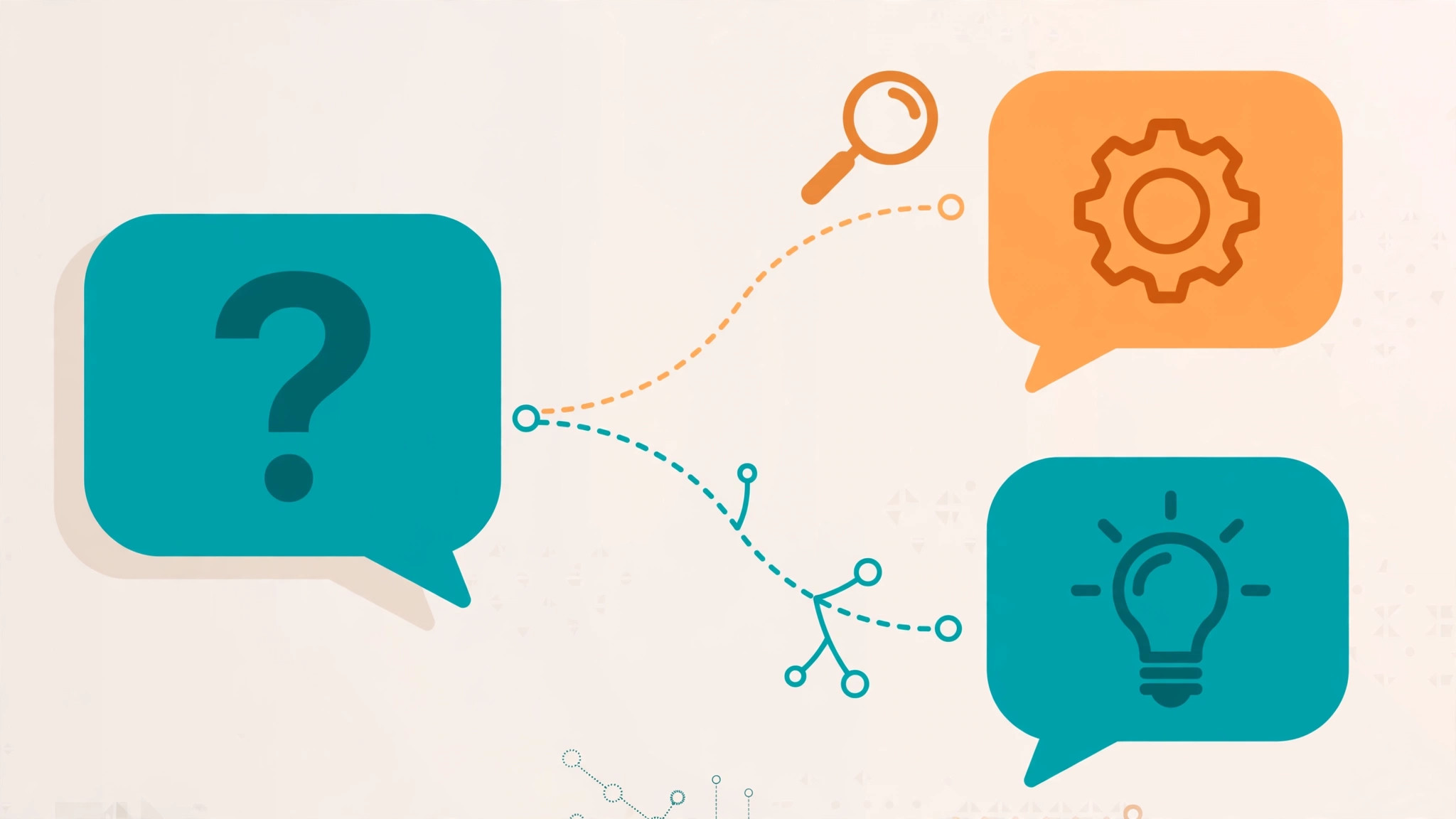
How you ask matters too. Instead of "summarize this image", ask the AI to "transcribe the text in the image line by line"; after the transcription, follow up with "how many lines of text are there in total" to confirm it saw everything before you discuss understanding. Transcribe first, ask questions second — this two-step flow avoids many strange misreadings.
Boundaries: do not fight these cases head-on
Handwriting, artistic fonts, and dense tables are the three hard cases for AI image recognition. Do not be surprised by mistakes there, and always verify key information against the original image. Also, never upload confidential contracts or identity documents to a cloud model — a misread character is a small problem, a leak is a big one. There is also the possibility of model hallucination — it may confidently invent characters that are not in the image, so for critical information like amounts, dates, and names, always check them character by character against the original image.