
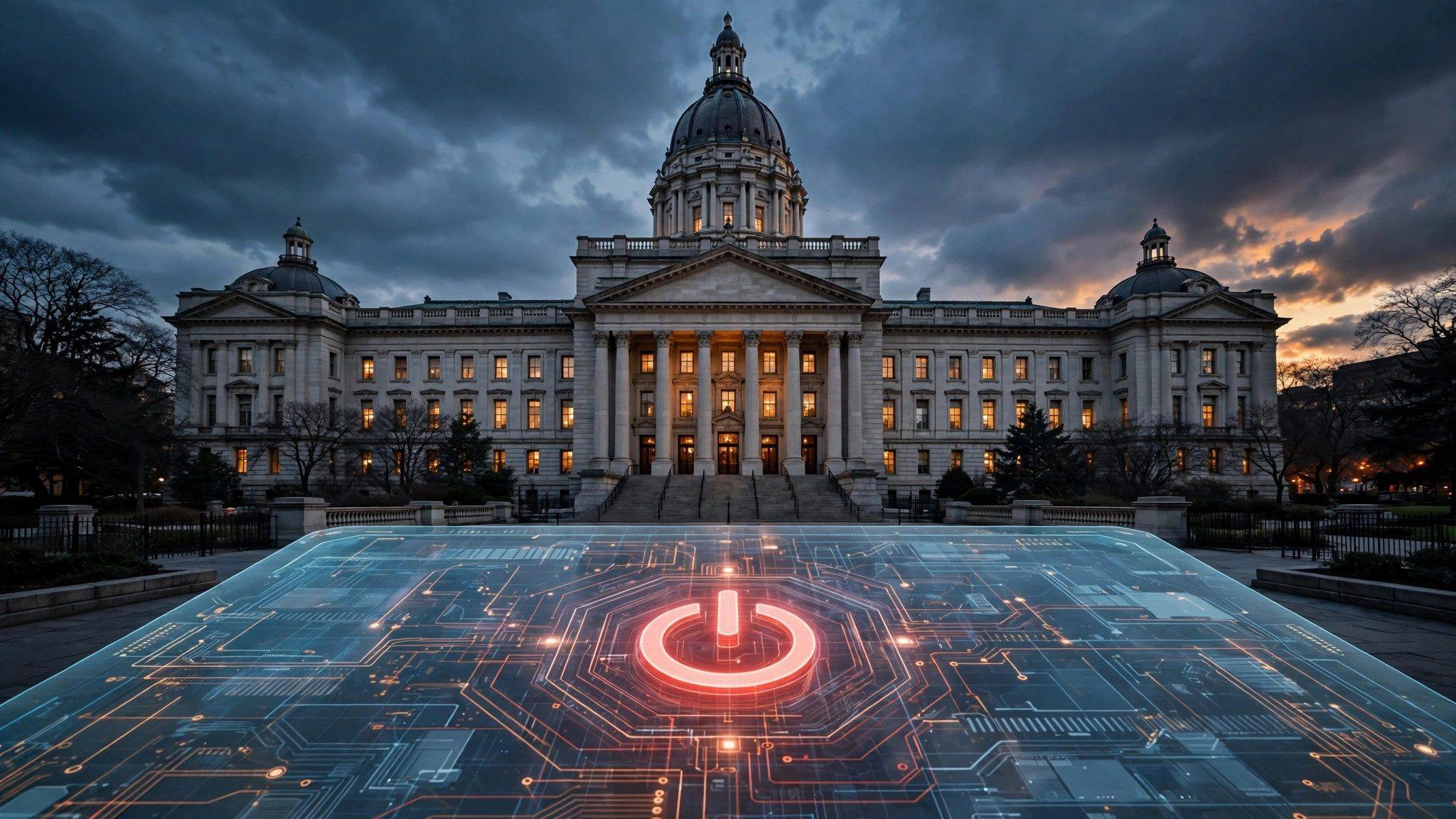
The New York City Council AI bills are putting the regulatory axe down to specific clauses. On September 25, the New York Post reported that the City Council has introduced a package of AI bills: before marketing, selling, or deploying AI systems across the city's five boroughs, AI companies must first pass third-party verification — outside experts auditing the companies' own safety claims; and all AI tools used in the city must carry a so-called "kill switch", a human override that can shut the system down at any time. Violations carry a $25,000 fine each.
The companion bill: America's first whistleblower cash bounty
More eye-catching is another companion bill: one of the nation's first AI whistleblower cash bounty programs — individuals who report AI companies' violations can take a cut of the fines collected. The Council has set October 5 as the hearing date and asked Meta CEO Mark Zuckerberg and OpenAI CEO Sam Altman to attend.
The trigger: the resigned researcher and a "virtually unregulated" status quo
One direct trigger for the proposal was the resignation earlier this month of Anthropic researcher Jacob Coxon, who publicly declared the technology could "kill us all by the end of the decade". Council member Menin's framing was blunt: New York regulates every industry, and almost all major AI companies have offices in New York, yet are "virtually unregulated".
Federal absence, local action
Seen in the bigger picture, this package is another footnote to "federal absence, local action": the RAISE Act passed by the New York State legislature in June (requiring frontier model developers to publish safety plans, effective next January), Governor Hochul's environmental-review freeze on hyperscale data centers, and Attorney General James's anonymous tip line for AI workers — the Council's move pushes the granularity of regulation down to the city level. And the precedent of the White House requiring new models to pass US review shows the review logic for model deployment and sharing is tightening at every level.
The sober read is that the bills are only "introduced" — hearings, votes, and the mayor's signature still stand between them and law. The specific standards for "third-party verification" and the technical definition of a kill switch (which models, which risk levels trigger it) have no details yet. But the signal is clear: when the federal level calls AI safety concerns a "hoax", local governments that want to put a bridle on AI will do it themselves.