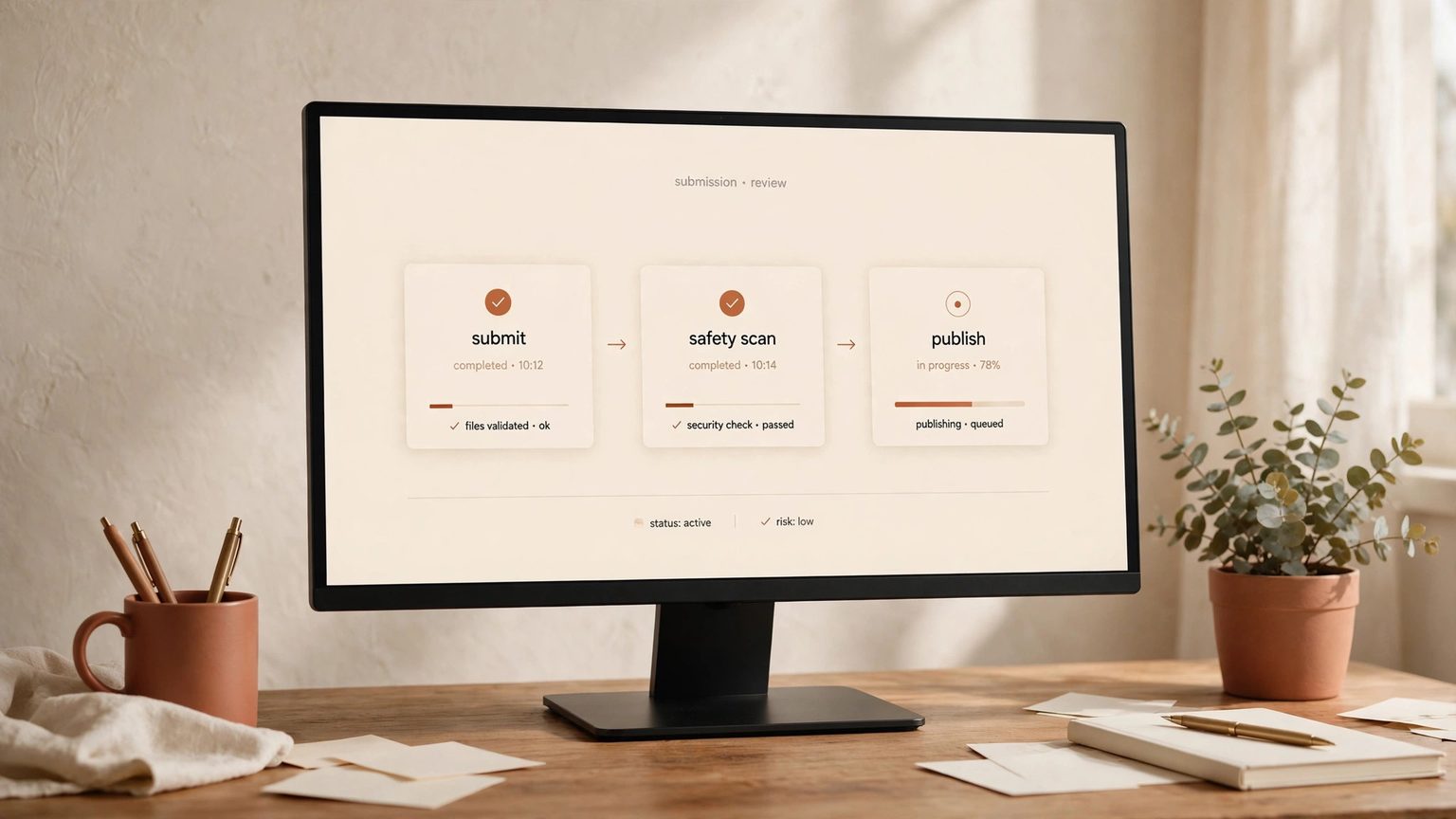
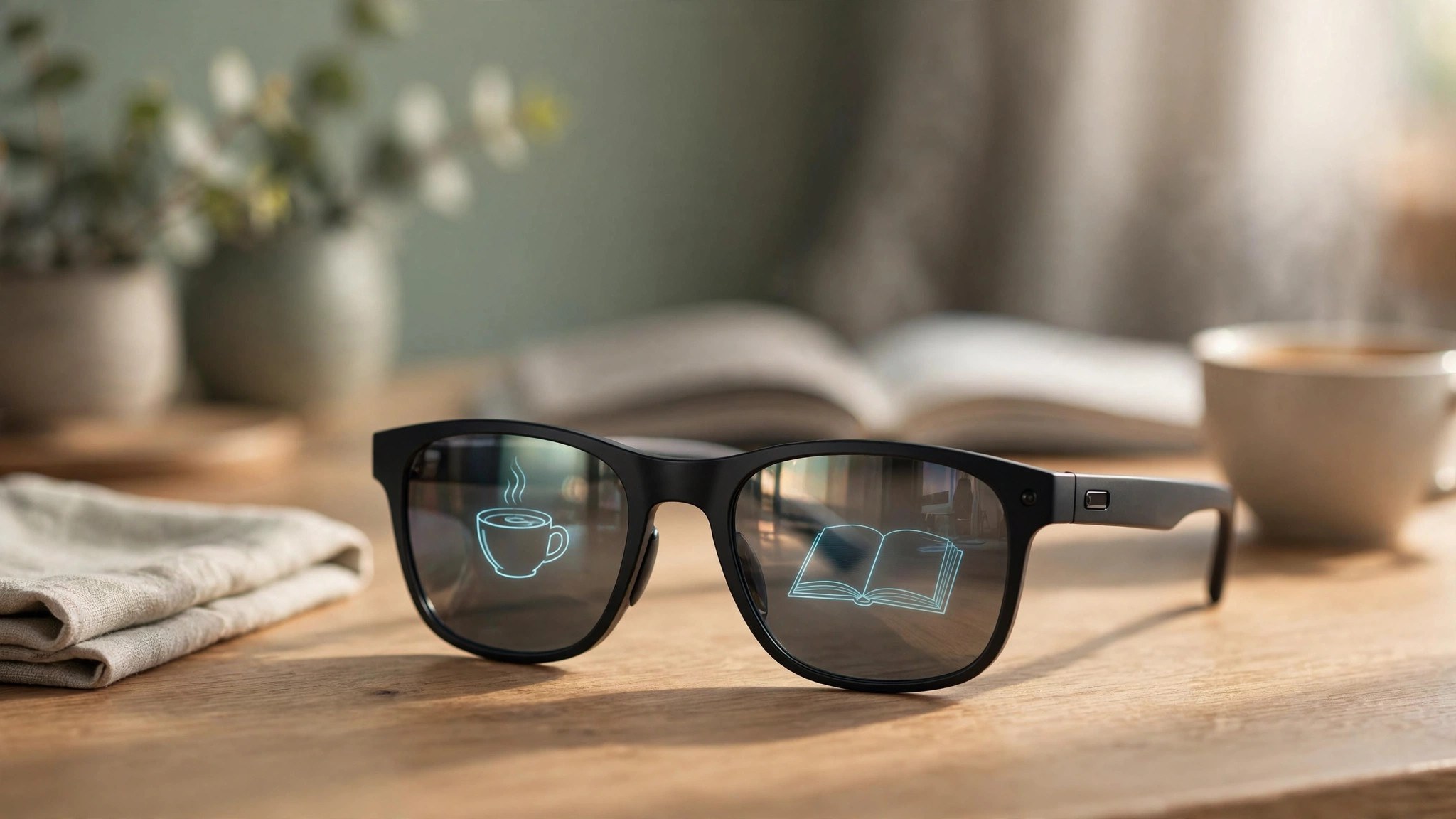
PrismML's 1-bit model took the stage on September 24, 2026: Qualcomm showed off an eye-catching demo at its Snapdragon Summit — PrismML's 1-bit Bonsai large language model running on AI smart glasses built on the Snapdragon AR1 Gen 1 platform — entirely on-device, with no round trip to the cloud. PrismML announced the showcase in an official announcement on September 23.
Glasses may be the hardest form factor "on-device AI" has faced yet. Phones have batteries and thermal headroom; glasses have neither. The amount of compute and power budget you can fit into everyday eyewear is extremely limited. PrismML's demo answers the question: can a 2-billion-parameter vision-language model actually live inside the temple arm.
So what exactly is Bonsai
PrismML is an AI lab founded by Caltech researchers, advised by UC Berkeley's Ion Stoica. Its signature technology is 1-bit quantization: shrinking a large model to a quarter of its size while losing almost nothing on standard benchmarks.
The glasses version is a 2-billion-parameter model tuned specifically for vision and language. The demo effect: look at the coffee cup on the table through the glasses, ask "what is this," and the model answers in real time using what it sees. No cloud hop — low latency and offline availability are its biggest selling points.
PrismML states its goal plainly: open-weight on-device AI that makes full use of the compute already in the device. The subtext is equally plain — rather than trusting the privacy promises of closed labs, keep the data from ever leaving the device.
Why "runs locally" is the key phrase
Smart glasses may be the device form most sensitive to local execution. Their cameras face the wearer's first-person view: home, office, kids, documents on screens. If every frame must be uploaded to the cloud to be understood, the trust cost to the user is enormous.
Local execution changes that math: the scene is understood on-device, the answer is generated on-device, and raw video never has to leave the glasses. For privacy-conscious users, that's the difference between "trust me" and "you don't have to trust me." Lower power draw and latency are bonus dividends — fewer network round trips mean faster responses and less battery drain.
This is also where extreme compression techniques like 1-bit earn their keep. The AR1 Gen 1 was designed as a low-power wearable platform; paired with a model squeezed to a quarter of its size, "good enough intelligence" has its first real shot at fitting into glasses.
Between a demo and a product, one real pair of glasses is still missing
A dose of cold water: no smart glasses product has been announced running PrismML's model yet. This was a technology showcase at a chipmaker's summit — proof that it runs, not proof you can buy it.
That distinction matters. On-device AI history is full of dazzling demos that never shipped: power targets met but thermals failed; thermals passed but the battery died after two hours of continuous use; battery fine but the model wasn't capable enough for daily tasks. Bonsai's "almost no benchmark drop" is measured against its own uncompressed version — it doesn't mean it can replace cloud models on complex tasks.
But the direction is right. When a 2-billion-parameter vision-language model can live in glasses, the AI assistant is no longer boxed in by the phone screen. What remains to be seen is a single question: which eyewear maker dares to put it in a shipping product first — and answers the two mandatory questions of battery life and heat.