
TypeSafe AI's Jev 1.13 charges per input token, with the official current price at $0.042 per million input tokens, which is $42 per billion tokens; Output tokens are free. Actual billing depends on the state, issue description, and candidate criteria for input usage, not simply based on the number of questions or return options.
This pricing information may still be adjusted, especially since the product is currently in early availability. When budgeting, you should read console usage and the latest official model page, rather than just writing launch prices into the business configuration.
Which content is included in the input
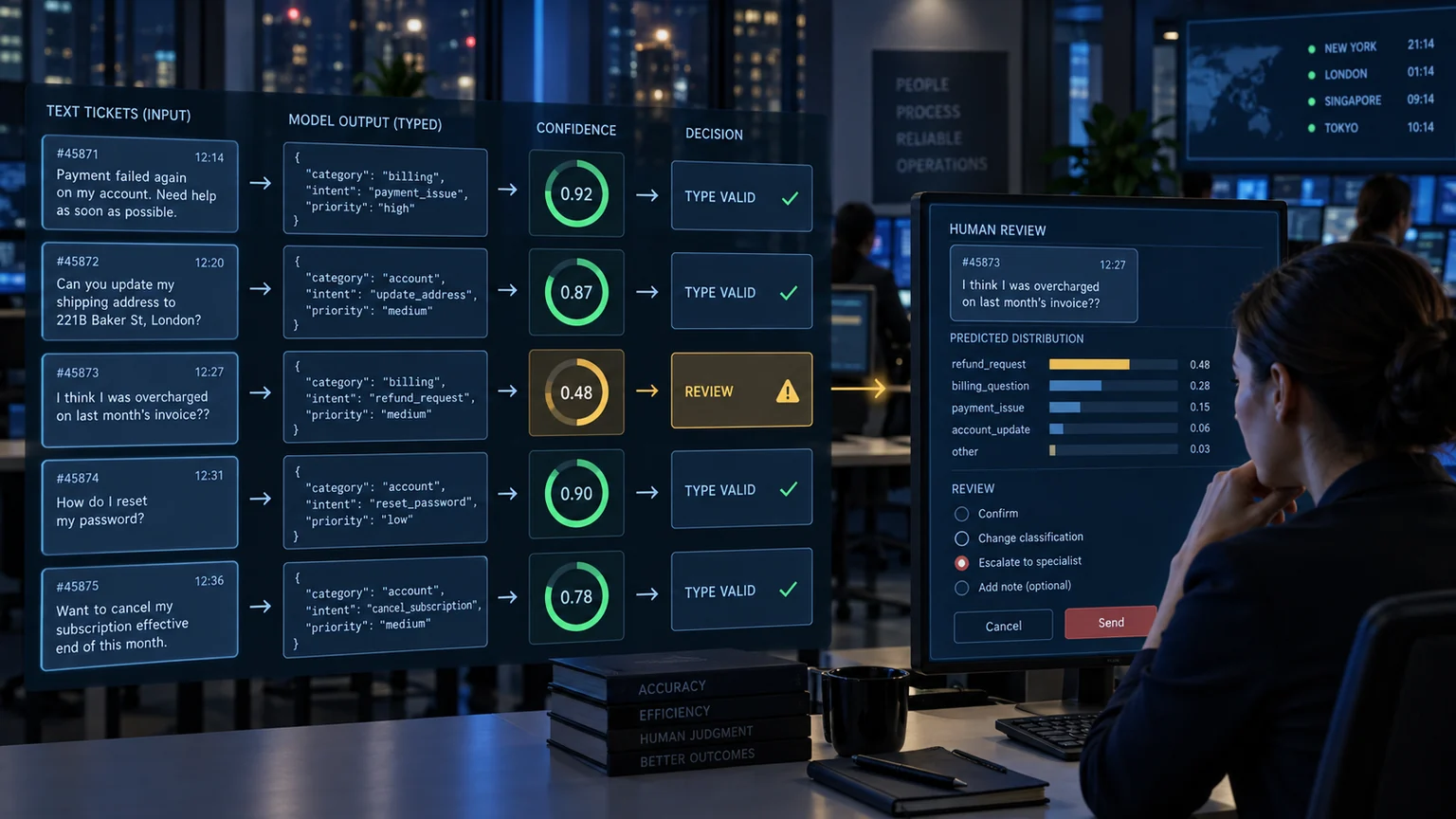
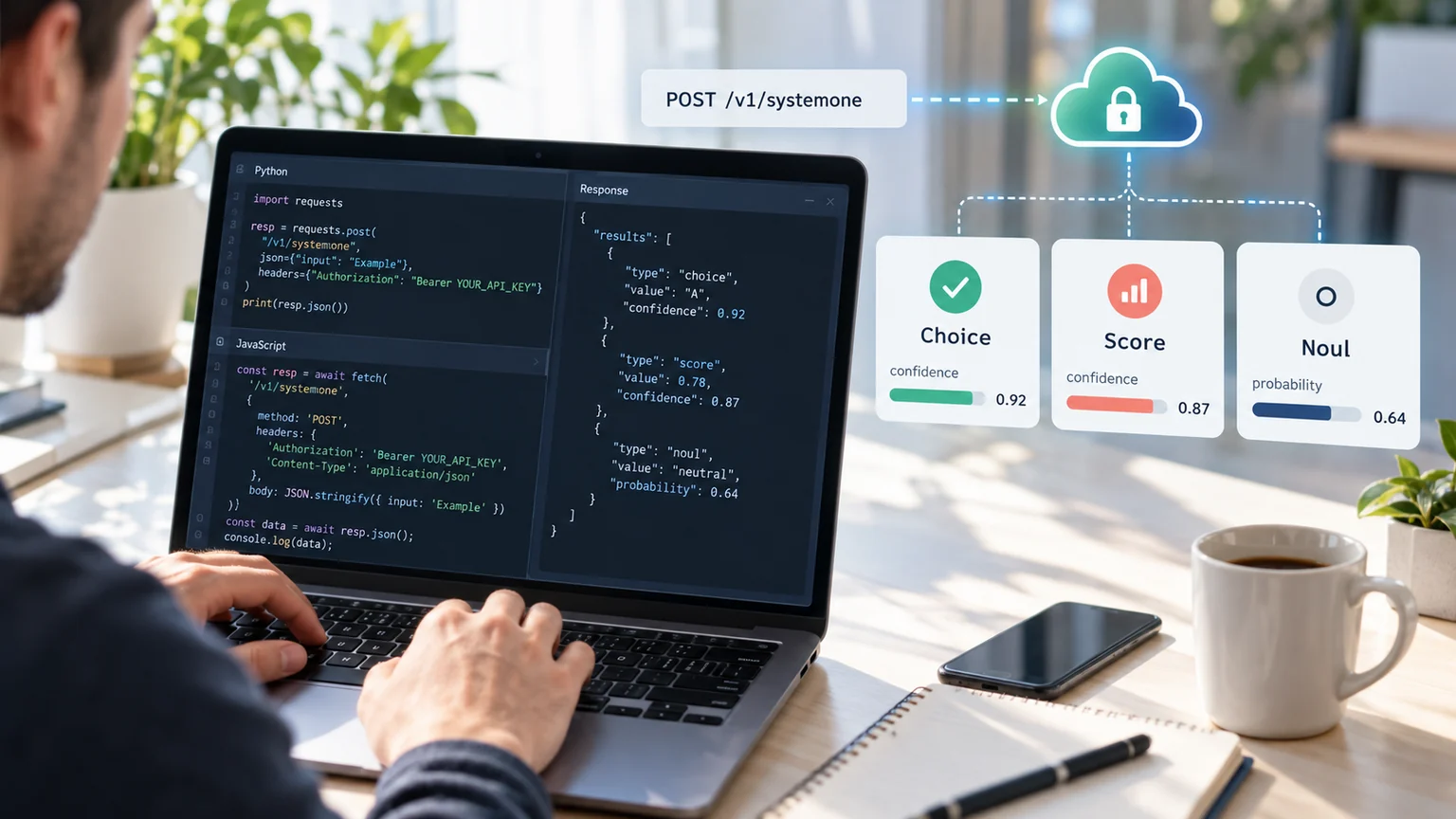
The state, questions, instructions, and criteria in a single request are all inputs the model must process. JEV evaluates multiple questions in parallel for the same state, so merging related questions into a single request is usually more economical than sending the same state repeatedly. No additional output fees are charged for output selection, probability, and confidence.
A simple cost algorithm
To estimate monthly costs, you can say: "Total Monthly Input Tokens × 0.042 ÷ 1,000,000". For example, if the system processes a large number of short work orders daily, the real cost impact is the total input length of each work order along with the problem standard. Do not delete necessary boundary conditions just to save money; Prioritize removing duplicate fields, log noise, and historical content irrelevant to the judgment.
What limits are still available for the current model?
- In JEV 1.13, the total context limit per request is 64k tokens.
- State plus the maximum single question is limited to 32k tokens.
- The official model page currently lists a rate cap of 250,000 tokens per second and 1,200 requests per minute.
- Exceeding the rate limit returns 429; the official SDK by default avoids retries and follows retry-after.
The official statement also states that rate limits during early access will be dynamically adjusted, and enterprises and custom plans can apply for higher caps. Production systems should not assume limits remain permanent; concurrency, queues, and retry parameters should be configured accordingly.
How to control both cost and latency simultaneously
- First, filter out irrelevant records from the code to avoid stuffing the entire historical file into the state.
- Atomic problems sharing the same state are merged and sent to reduce duplicate input.
- Cache the preprocessing results of stable data, but do not cache outdated business judgments.
- Records the tokens, delays, and manual verification rates for each type of request, calculating value by workflow.
- Return testing with a fixed version before upgrading the
jev-latestto avoid threshold quiet failure.
Low unit price does not mean every task should call the model. Steps that can be precisely completed with regex, database queries, or regular code should continue with code; Only steps requiring semantic judgment should be handed over to JEV, which improves cost and reliability.