Codex is stuck and not responding? Check by approval, terminal, and log check
If Codex is stuck and unresponsive, do not send the same message repeatedly. Confirm in order whethe
StructiFi is an AI OCR and structured data extraction tool suitable for operations personnel, data compilers and teams that need to process documents when extracting structured data from pictures, PDFs, and Word. Its focus is not to generate content in general, but to organize input materials, operation steps, and output results into a workflow that is easier to continue processing around the conversion of files to structured data. Current visibility capabilities include free 1 file with a size of 3MB, AI-driven OCR and data extraction, conversion of images, PDF, Word to structured data (Json, tables, Markdown) and free processing of 1 3MB file. It provides free entry or trial credits, which is suitable for using a real small task to first confirm whether the output conforms to your own process. If customer information, children's content, financial documents, commercial materials, code warehouses or external release content are involved, manual review, authority confirmation and result review still need to be retained.
When extracting structured data from pictures, PDFs, and Word has become a daily task, StructiFi can be put into the process as an AI OCR and structured data extraction tool. It is better to start with clear inputs and clear acceptance criteria, rather than leaving the complete judgment to the tool for automatic determination.
These capabilities revolve around the conversion of files to structured data, and are suitable for organizing information originally scattered in documents, forms, materials, work orders, or creative drafts into results that can be used in the next step. It is best to prepare the original materials, target format, output purpose and standards that require manual confirmation before use, so that it is easier to judge whether the results are feasible.
The value of StructiFi is to reduce duplication and rewriting, and hand over some of the mechanical links in extracting structured data from pictures, PDFs, and Word to the system for processing first. It cannot replace the final trade-off, especially in aspects such as factual accuracy, scope of authorization, brand caliber, learning evaluation, financial documents or customer communication that require a person in charge, and the review still needs to be completed manually.
It is easier for operators, data compilers, and teams that need to process documents to use StructiFi because such users often already know what to enter, what format they want, and which results can be used directly. Individual users can test from a small task first; for team use, account permissions, material sources, reviewers and the range of data that can be uploaded should be agreed in advance.
It is recommended to first choose to extract low-risk samples from structured data from pictures, PDFs, and Word, such as internal drafts, test documents, non-sensitive materials, or regenerable learning materials. Observe whether the output is clear, whether it requires a lot of modifications, and whether it can be connected with existing tools, before deciding whether to expand to formal projects.
It provides free entry or trial credits, which is suitable for using a real small task to first confirm whether the output conforms to your own process. If the task involves unauthorized material, final answers to student homework, customer privacy, commercial contracts, production environment codes, or publicly released content, the authority and review process should be confirmed first. The facts, format, tone and compliance requirements should also be checked before releasing to the outside world to avoid treating automatically generated results directly as final delivery.
To determine whether StructiFi is suitable for long-term retention, you can continuously test three to five real tasks and compare input preparation time, available proportion, amount of manual modifications, and team collaboration costs. Only when the results are stable, the boundaries are clear, and the manual review cost is lower than the original process can it be suitable for inclusion in a fixed workflow.
What problems are StructiFi mainly suitable for solving?
It is mainly suitable for extracting structured data from pictures, PDFs, and Word. It is especially suitable for tasks where the goals are clear, the input materials can be prepared in advance, and the results need to be continuously edited or reviewed.
Can StructiFi directly replace manual delivery?
Direct substitution is not recommended. It can undertake some of the work of generation, organization, conversion, analysis or scheduling, but fact checking, authorization judgment, brand caliber and final release decisions still require manual responsibility.
What content do I need to prepare before using StructiFi?
It is recommended to prepare raw materials, target format, usage instructions and acceptance criteria. When using by the team, it should also specify in advance what data cannot be uploaded, who is responsible for checking the output, and what standards the results meet before they can continue to be used.

Color Vortex PPT is an AI PPT creation, collaboration, and sharing platform aimed at workplace reporters, education users, and team collaborators. Its value is not that it decides all the work for users at once, but provides actionable assistance around completing PPT creation, collaborative editing, and secure sharing: users can generate PPTs, collaborate on modifications, share files, and view data analysis, and then complete follow-up processing based on their own business judgment. When choosing such tools, you need to pay attention to content accuracy, copyright material, and permission settings, especially when it comes to accounts, customer information, contracts, courses, audio, video, or code output. Its visibility capabilities include AI authoring, team collaboration, secure sharing, and data analysis, making it more suitable for team PPT workflows.

Zolltarifnummer.com is an AI customs tariff number query and interpretation tool mainly for import and export operations, cross-border sellers, and customs clearance personnel. Its value is not to make all the work for the user at once, but to provide actionable assistance around assisting in finding the 11-digit customs tariff number and understanding the classification basis: users can enter product information, get tax number suggestions, view reasons and measures, and then complete the follow-up processing based on their own business judgment. When choosing such a tool, you need to pay attention to customs responsibilities, product information accuracy, and manual confirmation, especially when it comes to accounts, customer information, contracts, courses, audio, video, or code output. Its visibility capabilities include AI customs tariff code, 11-digit classification, and explanation, making it more suitable for pre-customs reference.

Znote is an executable Markdown note-taking and automation tool aimed at developers, knowledge workers, and automation enthusiasts. Its value is not to make all the work for the user at once, but to provide actionable assistance around running code, generating tasks, and automating content in Markdown notes: users can write notes, execute scripts, generate Jira tickets, charts, or email drafts, and follow up with their own business judgments. When choosing such a tool, you need to pay attention to local file permissions, code security, and output review, especially when it comes to accounts, customer profiles, contracts, courses, audio, video, or code output. Its visible capabilities include Markdown notes that run, code execution, and automation, which are better suited for technical note automation.

ZINQ is an AI Agent business process automation platform aimed at small and medium-sized enterprises, operation teams, and business automation leaders. Its value is not to make all the work for users at once, but to provide actionable assistance around building, training, and deploying AI Agents to automate support, sales, and processes: users can build agents, train knowledge, connect business processes, monitor results, and then complete follow-up processing based on their own business judgments. When choosing such tools, you need to pay attention to process boundaries, customer data, and manual takeover, especially when it comes to accounts, customer profiles, contracts, courses, audio, video, or code output. Its visibility capabilities include AI agent platform, support, sales, and workflow automation, which are better suited for standardized business process automation.

Zetane is an enterprise document intelligence and Agentic AI automation platform for enterprise operations, RFP, and technical documentation teams. Its value is not to make all the work for the user at once, but to provide actionable assistance around automating the processing of large and complex documents, RFPs, and contract materials: users can import documents, extract information, generate responses, and collaborate on reviews, and then complete the follow-up process with their own business judgment. When choosing such a tool, you need to pay attention to document permissions, fact-checking, and business responsibilities, especially when it comes to accounts, customer information, contracts, courses, audio, video, or code output, all of which should be manually reviewed. Its visibility capabilities include agentic AI, enterprise document intelligence, RFPs, and contracts, making it better suited for complex document workflows.

Zefort is an AI contract management and compliance alerting platform aimed at legal operations, procurement teams, and compliance managers. Its value is not to make all the work for the user at once, but to provide actionable assistance around centrally managing contracts, extracting clauses, and setting reminders: users can import contracts, structure key data, track obligations, remind renewals, and then complete follow-up with their own business judgment. When choosing such tools, you need to pay attention to legal responsibilities, contractual permissions, and manual review, especially when it comes to accounts, customer information, contracts, courses, audio, video, or code output. Its visibility capabilities include CLM, contract data, and compliance reminders, making it more suitable for contract operations and not a substitute for legal advice.
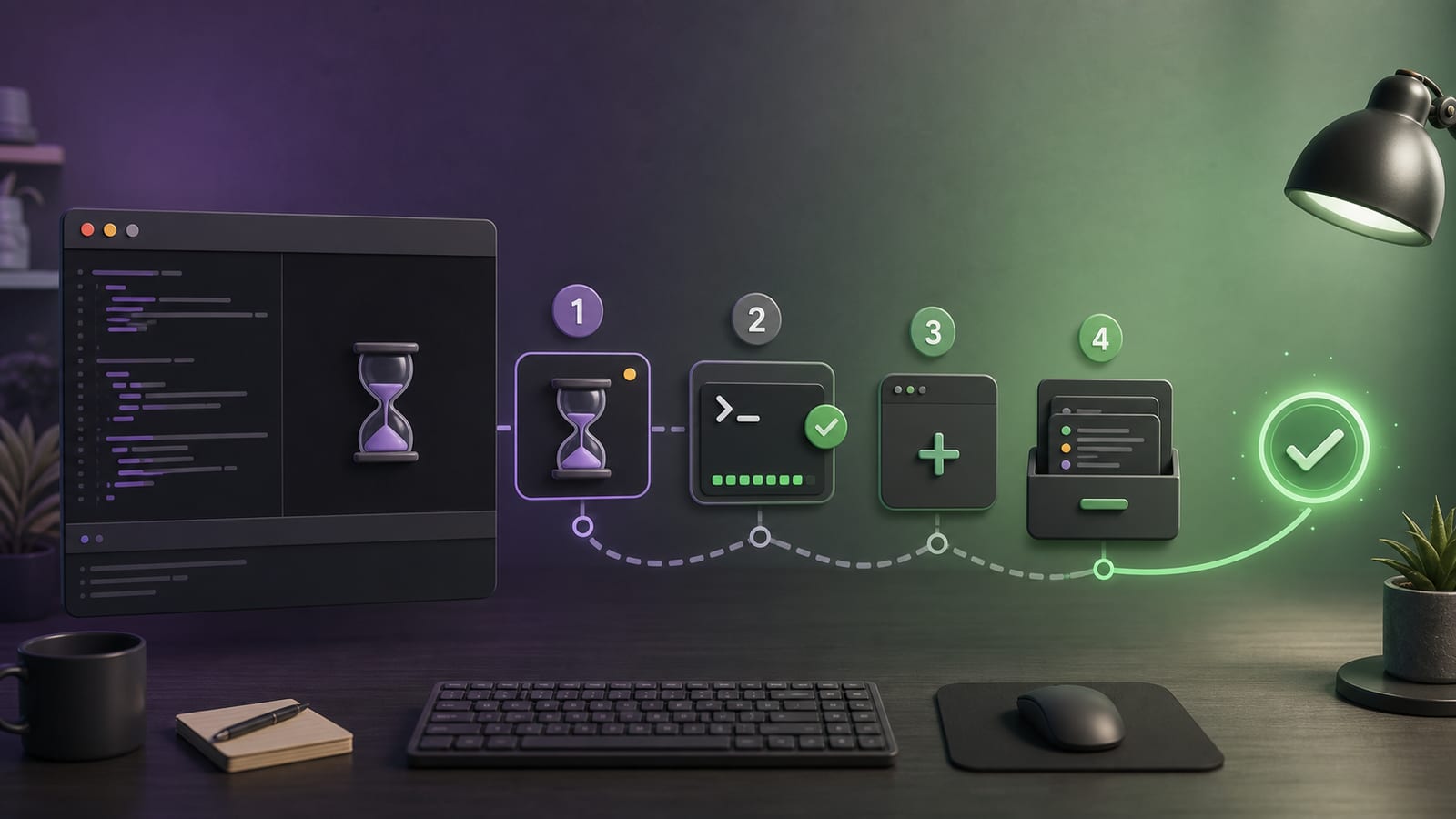
If Codex is stuck and unresponsive, do not send the same message repeatedly. Confirm in order whethe

codex exec In CI, it can analyze code without making changes; first check the sandbox: non-interacti

If Codex Skills is installed but does not trigger, first check if it is located in the scan director

Codex config.toml changes that don't take effect usually don't mean the TOML file is corrupted, but

After exiting the Codex CLI, you don't need to redescribe the entire task; just run codex resume sel

On August 3, 2026, the Qwen team released the Qwen 3.8-Max on the official Qwen blog, positioning it