
Codex is stuck and not responding? Check by approval, terminal, and log check
If Codex is stuck and unresponsive, do not send the same message repeatedly. Confirm in order whethe
OpenCraft AI is a multi-model AI Copilot workbench that is mainly used to call GPT, Claude, Gemini and other models in a continuous workflow, allowing professional users to reduce context loss when switching between analysis, writing, and verification. It is suitable for consultants, researchers, operations, product managers and professional teams who need to use multiple models at the same time. Common uses include using one model to analyze data, then using another model to write or verify, reducing multiple subscriptions and browser tabs. Switching between, and breaking long tasks into three stages: analysis, writing, and verification. When using it, it should be noted that multi-model platforms do not mean that all results are reliable. Manual reviews and source checks should be retained when involving customer delivery, legal, financial or medical content. The page provides a free start entry, which is suitable for testing model switching, context retention and team permissions first. It is recommended to use one or two low-risk tasks to test input materials, output quality, manual modification amount and final adoption ratio before deciding whether to put them into a fixed process.
OpenCraft AI is suitable for handling well-targeted tasks such as analyzing data with one model, then writing or verifying with another model, reducing switching between multiple subscriptions and browser tabs, and breaking up long tasks into three stages of analysis, writing, and verification. Its core value is not to make the final judgment for users, but to turn steps that are originally scattered, repeated, or require a lot of preliminary sorting into results that are easier to check, allowing teams to see the actionable direction faster.
These capabilities make OpenCraft AI more suitable for use in auxiliary aspects of existing processes. Users can prepare clear goals, sample data and acceptance criteria first, and then observe what manual sorting, searching, generation, or screening work it can reduce in real tasks.
In actual use, it is safer to start with a small task: first limit the input range, then check whether the output meets expectations, and finally record what content can be directly used and what needs to be modified manually. For consultants, researchers, operations, product managers, and professional teams that need to use multiple models at the same time, this approach makes it easier to determine tool boundaries than accessing a complete process at once.
OpenCraft AI is better suited for consultants, researchers, operations, product managers and professional teams who need to use multiple models at the same time. Such users often already know what problems they are trying to solve and can determine whether the results are in line with business, learning, creative or operational goals. Individual users can start with a single task, while team users should agree on permissions, review responsibilities and cost caps in advance.
Multiple model platforms do not mean that all results are reliable. Manual reviews and source checks should be retained when involving customer delivery, legal, financial or medical content. If the input content involves customer data, real photos, voices, business materials, homework, legal documents, medical financial information or internal data, the authorization, privacy and scope of use should also be confirmed first to avoid directly uploading content that is not suitable for external processing.
The page provides a free start entry, which is suitable for testing model switching, context retention and team permissions first. It is recommended to continuously test three to five real samples and record the input conditions, output results, manual modification points and whether they are finally adopted. If the results are stable and the cost of modification is controllable, it is suitable for gradually incorporating them into the fixed process; if the goal is frequently deviated, it is more suitable for use as inspiration, first draft or auxiliary inspection material.
It is mainly suitable for calling GPT, Claude, Gemini and other models in a continuous workflow, allowing professional users to reduce context loss when switching between analysis, writing, and verification. It is especially suitable for using one model to analyze data and then using another model to write or verify, reduce switching between multiple subscriptions and browser tabs, break long tasks into three stages of analysis, writing, and verification, and have clear goals and results that can be manually reviewed.
Not recommended. It can undertake the generation, organization, identification, analysis or recommendation stages, but fact verification, compliance judgment, professional conclusions and final trade-offs still need to be completed by people.
It is recommended to prepare clear input materials, expected results and acceptance criteria. When the team uses it, it is also necessary to agree on who is responsible for review, what content cannot be input, and what standards the output meets before it can continue to be used.

ChatGPT is a full-scenario artificial intelligence chatbot launched by OpenAI, integrating intelligent question answering, long-form writing, AI programming, code debugging, image recognition and voice synthesis, and supports multilingual real-time interaction. The platform offers advanced features such as plugin marketplaces, browser calls, API interfaces, team collaboration, and enterprise-level deployment, and is powered by the GPT-4o large model to accurately understand context and generate high-quality content. ChatGPT can be widely used in intelligent customer service, marketing copywriting, academic research, software development, knowledge management and other scenarios, supporting simultaneous use on the web, mobile and desktop, and has a privacy protection mode, and the data does not participate in model training, which is safe and reliable, helping individuals and enterprises significantly improve work efficiency and creative capabilities.

Claude is an advanced AI assistant developed by Anthropic to provide AI services that are safe, reliable, and in line with human values. Based on the concept of "Constitutional AI", Claude follows a clear set of ethical principles during the training process to ensure that the content of his output is safe and beneficial. The model performs well in natural language processing, text generation, code writing, data analysis, etc., and is suitable for a variety of scenarios such as office automation, customer support, and content creation. Claude supports multimodal input, is able to process text, audio, and image information, and has strong contextual understanding and reasoning skills. Users can access Claude via a web version, a desktop app, or an API to meet different needs. The latest version of the Claude 4 series, which includes the Opus and Sonnet models, further enhances inference, planning, and long-term memory for complex tasks and enterprise-level applications.

Kimi is a high-performance AI chat assistant from Dark Side of the Moon that supports ultra-long contextual input and is capable of processing millions of words of text. It has excellent multi-modal processing and chain reasoning capabilities, and supports multiple functions such as document parsing, code writing, and real-time network search, and is widely used in learning, office, scientific research, and programming scenarios. Kimi provides access to the web, mini-programs, and mobile terminals, making it a powerful assistant for efficiency and creativity.

Tencent Ingot is an intelligent assistant platform built by Tencent based on the Hybrid T1 and DeepSeek-R1 models, providing multi-functional services such as copywriting, AI drawing, programming assistance, translation, intelligent search, and long article summarization. The product supports web, iOS/Android mobile and PC clients, and users can obtain high-quality content through multi-modal interaction such as text, voice, and pictures. With real-time online retrieval and chain reasoning capabilities, Yuanbao can accurately understand the context, realize customized instructions and multi-person collaborative editing, and are widely used in office, learning, creation and scientific research scenarios, helping users to efficiently output and manage knowledge. At the same time, the platform also supports plug-in functions such as intelligent calls, photo answering and table analysis, etc., to improve work and life efficiency in an all-round way.

Z Chat is an open-source intelligent dialogue platform launched by Zhipu AI, driven by the self-developed GLM series of large models, which supports multilingual dialogue, chain reasoning, and deep retrieval. Users can experience high-performance Q&A and knowledge discovery functions for free through barrier-free access on the web terminal. With the advantages of open source transparency, continuous iteration, and community-driven, Z Chat plans to support multi-modal interaction and plug-in extensions in the future, and provide developers, researchers, and enterprises with customized API and plug-in access capabilities to help build innovative applications and intelligent services.

Microsoft Copilot is a multimodal AI assistant launched by Microsoft, integrated with Windows, Microsoft 365, Edge browser and other platforms, providing text generation, voice interaction, image creation and other functions. Based on GPT-4 and Microsoft Graph, Copilot can understand users' natural language instructions and assist in tasks such as document writing, data analysis, email processing, and code writing. Users can access Copilot through the web, desktop app, and mobile devices, enhancing productivity and creativity. Copilot also supports plugin extensions, suitable for the diverse needs of individual users and enterprise teams.
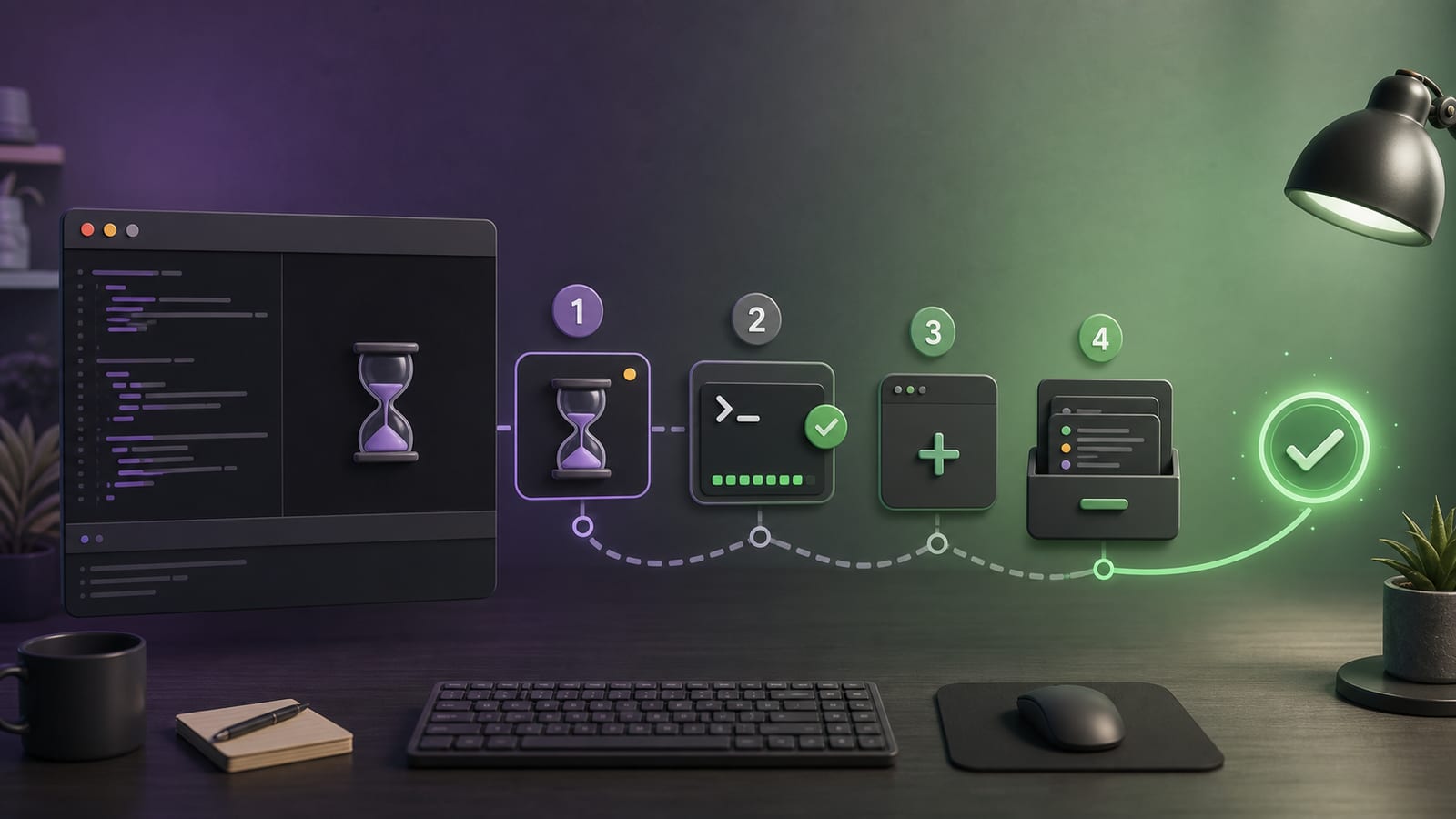
If Codex is stuck and unresponsive, do not send the same message repeatedly. Confirm in order whethe
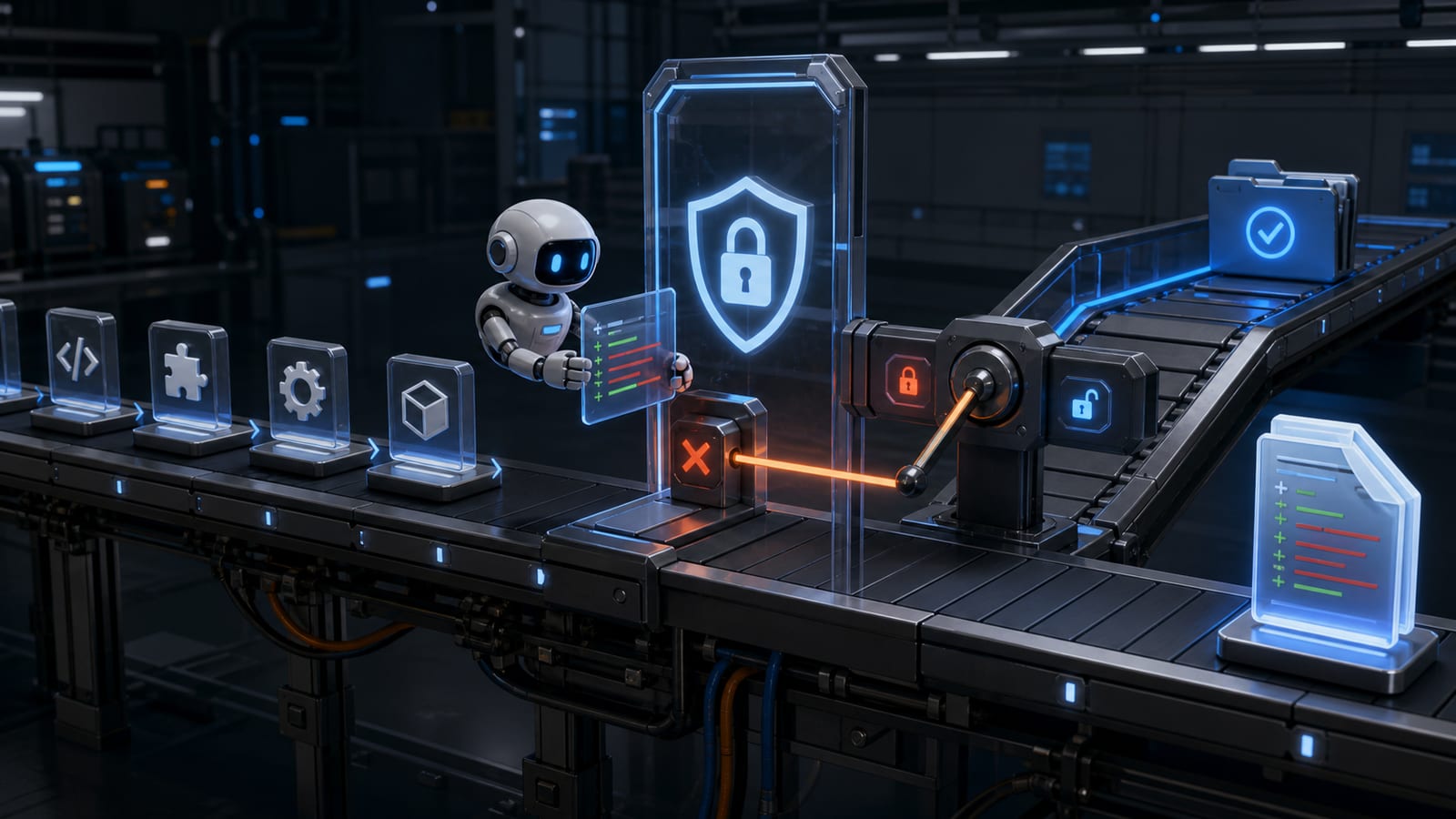
codex exec In CI, it can analyze code without making changes; first check the sandbox: non-interacti

If Codex Skills is installed but does not trigger, first check if it is located in the scan director

Codex config.toml changes that don't take effect usually don't mean the TOML file is corrupted, but

After exiting the Codex CLI, you don't need to redescribe the entire task; just run codex resume sel

On August 3, 2026, the Qwen team released the Qwen 3.8-Max on the official Qwen blog, positioning it