
Latest AI News: The World Artificial Intelligence Conference opens, with 29 countries preparing to establish AI cooperation organizations
24-hour AI News Snapshot: Kimi K3 resets the scale of open-source models, intensifying global AI gov
Miros is an e-commerce visual and semantic search platform that is mainly used to allow shoppers to discover products using natural language or visual intent. It is suitable for e-commerce platforms, retailers, product search teams and conversion rate operators. It can provide AI visual and semantic search, reduce non-result searches and manual tagging, identify shopping intentions, and improve product discovery. When using it, it should be noted that the search system requires product data, picture quality and category structure support. Before going online, conversion and relevance evaluation must be carried out and deployed to the e-commerce team. Before formal adoption, it is recommended to test once with low-risk samples and record the input materials., output results, manual modifications and final adoption ratio, and then decide whether to put them into a fixed process.
Miros is well suited to undertake well-defined ancillary work around allowing shoppers to discover product generation, organization or analysis content using natural language or visual intent. For e-commerce platforms, retailers, product search teams and conversion rate operators, its role is not to replace all judgments, but to make it easier for duplication, first draft generation, information extraction or auxiliary analysis to enter a reviewable state.
These capabilities are suitable for allowing shoppers to discover products using natural language or visual intent. If the team already has a mature process, they can put Miros in the drafting, sorting, preview or preliminary screening stages first, rather than directly undertaking final delivery. This allows you to see the stability of the tool in real tasks, and also retains necessary manual inspections.
Miros is suitable for e-commerce platforms, retailers, product search teams and conversion rate operators. Such users usually already know what materials they are going to process and what results they want, and can also determine whether the output needs to be modified. If you only try occasionally, you can start with a single task; if you want the team to use it for a long time, you should add permissions, source of materials, review responsibilities, and cost caps.
The search system requires product data, picture quality and category structure support. Conversion and relevance evaluation must be carried out before going online. When selecting such tools for deployment and deployment to e-commerce teams, don't just look at the results of the first demonstration, but also look at multiple tasks in a row. Stability, waiting time, modification costs and ease of traceability.
Three to five real but low-risk samples can be prepared, and input conditions, generated results, manual adjustment points, and final adoption can be recorded respectively. If Miros is stable on the main task, it is suitable for putting it into a fixed process; if the results often need to be rewritten, it is more suitable for inspiration, first draft, or reference material.
It is best for allowing shoppers to discover products using natural language or visual intent, especially for people who already have a clear goal but don't want to start sorting out from a blank state.
Not recommended. It can handle repetitive generation, identification, sorting, or preliminary screening tasks, but fact checks, compliance judgments, professional conclusions, and final trade-offs still require humans to complete.
It is recommended to prepare clear input materials, expected results and acceptance criteria. If customer data, real photos, commercial materials, medical financial information or study assignments are involved, authorization, privacy and use boundaries must also be confirmed in advance.

Nano AI Search is an innovative AI search engine dedicated to providing accurate answers in a concise and intuitive manner. The platform supports a variety of interaction methods, including taking photos and asking questions, voice search, and voice answering to meet users' search needs in different scenarios. Nano AI Search emphasizes the concept of "no routine, direct answers", aiming to improve search efficiency and user experience. Its intelligent Q&A system can understand user intentions and quickly provide relevant information, making it suitable for various application scenarios such as daily life, study, and work.

Myrta AI Search is an ad-free AI search and answer retrieval tool aimed at researchers, students, and everyday search users. Its value lies not in making all the work for users at once, but in providing actionable assistance around getting the finished results directly through AI search: users can enter questions, view answers, trace sources, continue asking questions, and then follow up with their own business judgments. When choosing such a tool, you need to pay attention to source accuracy, timeliness, and fact-checking, especially when it comes to accounts, customer information, contracts, courses, audio, video, or code output, and you should keep manual review. Its visibility capabilities include AI search, no ads, and direct results, making it better for finding materials quickly.

Zyft is an AI price comparison and shopping aid tool aimed at Australian consumers, online shoppers, and price comparison needs. Its value is not to make all the work for the user at once, but to provide actionable assistance around comparing prices and finding better purchase options when shopping: users can install apps or extensions, identify products, compare prices and track offers, and then follow up with their own business judgment. When choosing this type of tool, you need to pay attention to the timeliness of product data, regional coverage, and business information, especially when it comes to accounts, customer information, contracts, courses, audio, video, or code output. Its visibility capabilities include AI price comparison, browser extension, and shopping app, making it more suitable for daily shopping price comparisons.

YTSummary is a YouTube video AI summarization and focus extraction tool aimed at students, researchers, and content operators for quickly summarizing YouTube video content with AI. It's suitable for those who already have clear tasks, assets, or business processes, bringing together YouTube summarizers, ChatGPT summaries, and key points into a more actionable workflow. When using it, you need to focus on video sources, subtitle quality, and fact-checking, especially when it comes to customer information, learning content, audio and video materials, business data, or public release, you should first confirm authorization and manual review. Overall, YTSummary is suitable as an auxiliary tool for quickly summarizing YouTube video content with AI, rather than a substitute for the final judgment of professionals.

Yasna.ai is an AI research interview and user insights assistant aimed at market research teams, UX researchers, and customer experience teams to interview users and curate research insights with AI. It's suitable for people who already have clear tasks, materials, or business processes, bringing together AI interviews, market research, UX research, and CX research into a more actionable workflow. When using it, it is necessary to focus on respondent consent, sample bias and conclusion review, especially when it involves customer information, learning content, audio and video materials, business data or public release, authorization and manual review should be confirmed first. Overall, Yasna.ai is suitable as an aid to interviewing users with AI and compiling research insights, rather than a substitute for the final judgment of professionals.

Wren AI Cloud is a generative BI and natural language data analytics platform for data teams, business analysts, and product operations personnel to query data in natural language and generate SQL, charts, and insights. It's for people who already have clear tasks, assets, or business processes that put plain-language questions, governed SQL, and semantic layers into easier workflows. When using it, it is necessary to pay attention to data permissions, semantic layer quality, and indicator caliber, especially when it involves customer information, character materials, web page data, learning content, or commercial publication, and authorization and manual review should be confirmed first. Overall, Wren AI Cloud is suitable as an aid for querying data in natural language and generating SQL, charts, and insights, rather than a substitute for professional final judgment.

24-hour AI News Snapshot: Kimi K3 resets the scale of open-source models, intensifying global AI gov
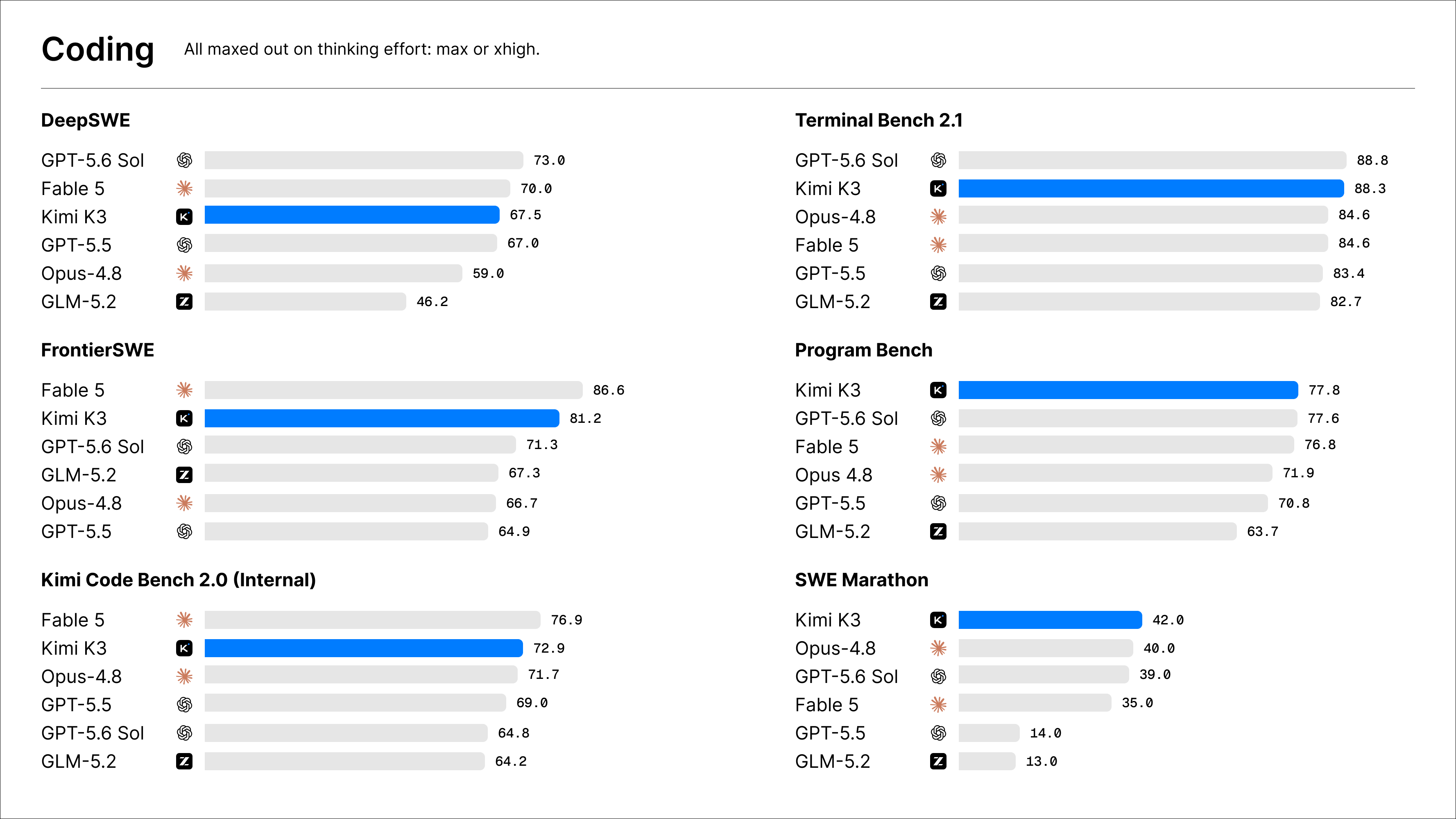
Moonshot AI officially launched the Kimi K3 . This 2.8-trillion-parameter model provides 1 million t
24-hour AI News Summary: Global AI competition continues to heat up, with chips, models, security re

On July 9, 2026, Mistral announced in its official article "Your Prompts and Skills Need a System of

On July 9, 2026, Google Research released the wearable health foundational model SensorFM. It was pr

On July 9, 2026, OpenAI officially announced ChatGPT Work in its announcement "ChatGPT is now a part