
Codex is stuck and not responding? Check by approval, terminal, and log check
If Codex is stuck and unresponsive, do not send the same message repeatedly. Confirm in order whethe
LTX-2 AI is an online tool for video generation, providing text-to-video, image-to-video, 4K output, and native audio-visual synchronization around the LTX-2 model, making it suitable for creators, video teams, and model experience users to quickly test next-generation video generation effects. It is suitable for concept shorts, storyboard previews, social videos, and model capability comparisons. When using it, you need to pay attention to the relationship between the platform and the original model, free quota, output copyright, material authorization and local deployment requirements, and the test results cannot be directly regarded as reviewed films. Before formal adoption, it is recommended to test with real but low-risk materials to check output quality, authorization boundaries, privacy handling, and manual review costs before deciding whether to put them into a long-term workflow.
LTX-2 AI is suitable for users who want to quickly experience the capabilities of LTX-2 video models. It puts text prompts, image input, video generation, and audio and video synchronization in one online portal, making it easy to judge whether the model is suitable for your subject matter before formal production.
Ideal for AI video creators, short film directors, model researchers, content operations, and teams that need to compare the performance of new models.
The capability, authorization, and stability of the online packaging tool need to be confirmed separately. Complex character movements, long-shot narratives and commercial delivery still require manual review, editing and copyright checks.
It's worth trying if the goal is to quickly test LTX-2 style and build quality; If you want to go into the production process, you also need to validate export parameters, fees, and authorization boundaries.
Before official use, it is recommended to select a set of real but low-risk samples, and record the input materials, generated results, manual modifications, and final adopted versions separately. Focus on its stability on "supporting text-to-video and image-to-video" and "emphasizing 4K quality and higher frame-rate output", and whether the results are easily corrected by humans.
If you want to use it for a long time, you should also confirm your account permissions, fee limits, material sources, data retention, and moderation responsibilities. This allows tools to enter a traceable day-to-day process, rather than deciding whether to adopt it based on a single demo.
When evaluating LTX-2 AI, it's not just about whether the first generation is impressive, but also about its stability across multiple tasks in a row. Input conditions, waiting time, editability, manual modification and final adoption ratio can be recorded. If the result often needs to be redone, it means that it is better suited as a source of inspiration than to undertake the final delivery. For content that needs to be published, delivered by customers, or entered business systems, authorization, privacy, fees, and responsible persons should also be written into the team process.
What video tasks can LTX-2 AI do? **
It is suitable for text-to-video, image-to-video, short film drafts, and model effect testing.
Is 4K output necessarily suitable for commercial release? **
Not necessarily. Clarity is just a condition, but also check for picture stability, authorization, and content compliance.
Is on-premises supported? **
The page mentions on-premises deployment and ComfyUI-related directions, and you should check the technical documentation and hardware requirements before actual use.

Wondershare Skyscreen Creation Plaza is a Wondershare Skylight AI audio and video multimedia generation platform primarily aimed at video creators, marketing teams, and multimedia content producers. Its value is not that it decides all the work for users at once, but provides actionable assistance around generating and understanding multi-modal materials such as video, audio, and graphics: users can input ideas, generate video or audio, process graphic materials and edit outputs, and then complete the follow-up processing based on their own business judgments. When choosing such a tool, you need to pay attention to material copyright, portrait and content moderation, especially when it comes to accounts, customer profiles, contracts, courses, audio, video, or code output. Its visibility capabilities include cross-modal video generation, audio generation, and graphic generation, making it more suitable for multimedia creative production.

Zubtitle is an AI video captioning and online editing tool aimed at short video creators, social media operations, and course content teams. Its value is not to make all the work for the user at once, but to provide actionable assistance around adding subtitles to videos and quickly editing social media versions: users can upload videos, generate subtitles, adjust styles and export the film, and then complete the follow-up processing based on their own business judgment. When choosing such tools, you need to pay attention to subtitle proofreading, video copyright, and platform specifications, especially when it comes to accounts, customer profiles, contracts, courses, audio, video, or code output. Its visibility capabilities include AI subtitles, online video editing, and social media video, making it more suitable for short video subtitling.

Zeemo is an AI video captioning, translation, and short-form video editing tool aimed at short-form video creators, social media operations, and branded content teams. Its value is not to decide all the work for users at once, but to provide actionable assistance around automatically generating subtitles, translating subtitles, and editing social media videos: users can upload videos, generate subtitles, translate text and export into videos, and then complete the follow-up processing based on their own business judgment. When choosing such a tool, you need to pay attention to subtitle proofreading, video copyright, and brand style, especially when it comes to accounts, customer profiles, contracts, courses, audio, video, or code output. Its visibility capabilities include AI captions, subtitle translation, and social video editing, making it more suitable for subtitling and localizing short videos before publishing.

ZapCap is an AI video captioning, B-roll, and transition generator tool aimed at short-form video creators, social media editors, and branded content teams for automatically generating captions, selecting B-rolls, and adding transitions. It's suitable for people who already have clear tasks, assets, or business processes, centralizing AI captions, B-rolls, and automated transitions into easier workflows. When using it, you need to focus on subtitle proofreading, material licensing and style consistency, especially when it comes to customer information, learning content, audio and video materials, business data or public release, you should confirm authorization and manual review first. Overall, ZapCap is suitable as an aid for automatically generating captions, selecting B-rolls, and adding transitions, rather than replacing the final judgment of professionals.

Yolly AI is an AI video and image generation platform aimed at short-form video creators, designers, and visual content teams for generating 4K videos, images, and visual assets with sound. It's suitable for those who already have clear tasks, assets, or business processes, bringing together Kling, AI video, AI image, and 4K generation into a more performable workflow. When using copyrighted materials, portraits and output quality, especially when it involves customer information, learning content, audio and video materials, business data or public release, authorization and manual review should be confirmed first. Overall, Yolly AI is suitable as an auxiliary tool for generating 4K videos, images, and visual assets with sound, rather than a substitute for the final judgment of professionals.

X-Pilot is a document-to-AI instructional video course tool aimed at course creators, training teams, and teachers to convert PDFs, slides, and instructional materials into accurate video lessons. It's for those who already have clear tasks, assets, or business processes that bring together PDF to video courses, editable animation layers, and teaching scenarios into easier workflows. When using it, it is necessary to pay attention to teaching accuracy, copyright materials and course structure, especially when it involves customer information, learning content, audio and video materials, business data or public release, authorization and manual review should be confirmed first. Overall, X-Pilot is a good tool for converting PDFs, slides, and instructional materials into accurate video lessons, rather than a substitute for the final judgment of professionals.
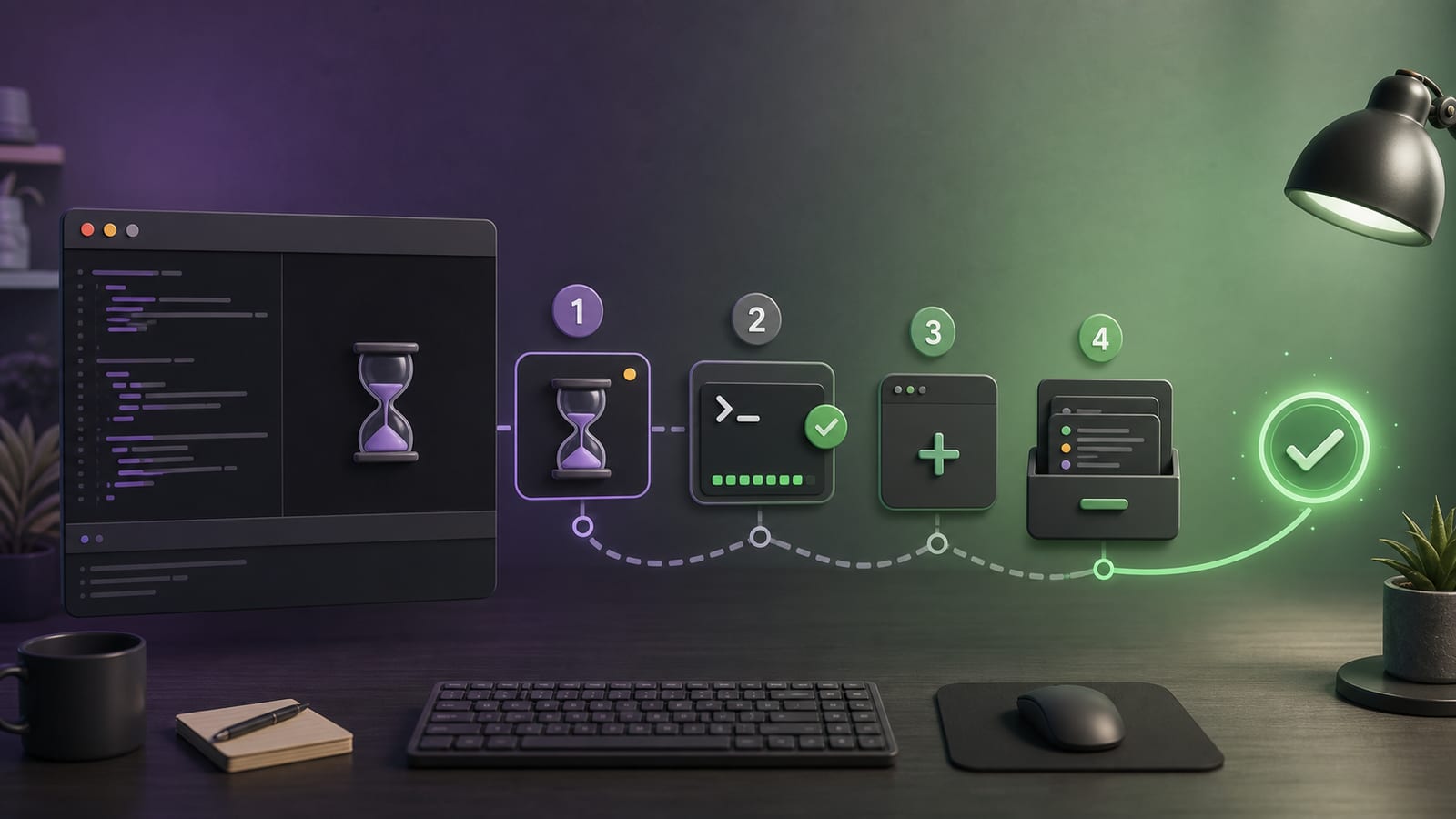
If Codex is stuck and unresponsive, do not send the same message repeatedly. Confirm in order whethe

codex exec In CI, it can analyze code without making changes; first check the sandbox: non-interacti

If Codex Skills is installed but does not trigger, first check if it is located in the scan director

Codex config.toml changes that don't take effect usually don't mean the TOML file is corrupted, but

After exiting the Codex CLI, you don't need to redescribe the entire task; just run codex resume sel

On August 3, 2026, the Qwen team released the Qwen 3.8-Max on the official Qwen blog, positioning it