
Codex is stuck and not responding? Check by approval, terminal, and log check
If Codex is stuck and unresponsive, do not send the same message repeatedly. Confirm in order whethe
Letterly is a speech-to-structured text tool that converts spoken content into clear, structured text that can be used in everyday writing scenarios such as messages, notes, emails, social posts, summaries, and journals. It is suitable for individual users, creators, sales, managers, and busy mobile office people who often record their thoughts with their voice. Before use, it is recommended to conduct small-scale testing with real materials or real processes, focusing on observing output quality, review costs, payment boundaries, data permissions, and whether the team can establish a stable manual review process. Before handling formal business, it should also be judged based on material authorization, privacy requirements, and manual review standards, and avoid using automatic results directly for external release or key decisions. If it is used for teams, customers, or teaching scenarios, it is also necessary to clarify the input source, result review responsibility, and scope of external use, and avoid putting the trial results directly into the formal process.
Letterly can be placed in the real workflow as a front-end support: the most time-consuming and repetitive aspects are handed over to the tool to handle, and then the person in charge checks whether the results meet business goals and compliance requirements.
Ideal for individual users, creators, sales, managers, and busy mobile office workers who frequently record their thoughts with their voice. If you only deal with a similar task once in a while, you may not need to introduce such a tool specifically; If the task is repeated, the trial value will be more apparent.
Speech recognition is affected by accents, ambient noise, and proper nouns, so check the content before officially sending it. In scenarios involving customers, contracts, health, finance, recruitment, or public postings, it is recommended to keep manual reviews and record of results.
You can record a real working voice and compare the emails, notes, and text messages it organizes to see if it matches your tone.
When landing, you can select a low-risk sample first, and record the input materials, generated results, manual modifications, and final adopted versions separately. After several rounds of comparison, the team can more clearly determine which tasks are suitable for tooling and which still need to be led by professionals.
If you use it for a long time, you should also confirm the account permissions, data retention, fee limit, and exception handling responsibility. This allows the tool to enter a traceable daily process rather than just a trial.
Before formal adoption, it can also be compared side-by-side with existing practices: while recording the time required, number of communications, and reasons for rework required for manual processing, the percentage of tool outputs that are adopted, modified, and abandoned on the other. This comparison helps the team determine which part of the job it is really suitable for, rather than relying solely on the effectiveness of a single presentation.
For scenarios that require multiple people to collaborate, it is recommended to agree on naming rules, version retention, approval nodes, and exception feedback methods in advance. The closer the tool gets to the day-to-day business, the more clearly the boundaries of responsibility need to be written, especially when it comes to customer information, personal data, contract content, advertising budgets, or publicly available materials.
What does Letterly do? **
It organizes spoken content into clear text and can be converted into different writing formats.
Is it suitable for long essays? **
It is more suitable for generating first drafts from oral ideas, long articles still need to be further edited.
What should I pay attention to in terms of privacy? **
Don't enter sensitive customer information or unauthorized meeting content directly.

Prism is a free LaTeX native research writing and collaboration workbench launched by OpenAI, a one-stop editing platform for papers, reports, and academic documents. Prism deeply integrates AI writing capabilities into LaTeX workflows, supporting real-time writing and compilation previews in the browser, unlimited multi-person collaboration and annotation, and reducing version conflicts and repeated layout. With project-level contextual understanding, Prism can polish and proofread, optimize structure, format and citation, and provide functions such as literature search and citation management (including collaboration with Zotero) to make scientific writing more efficient and standardized. No local installation is required, making it suitable for laboratory teams and researchers to iterate on manuscripts continuously.

TranslateBase is an AI multilingual text, PDF, and image translation platform aimed primarily at cross-border teams, students, and document translation users. Its value is not that it does everything for the user at once, but provides actionable assistance around translating text, PDF, images, and video subtitles: users can upload documents, select languages, use OCR or glossaries, export the results, and complete the subsequent processing based on their own business judgment. When choosing such a tool, pay attention to privacy documents, terminology consistency, and translation proofreading, especially when it comes to accounts, customer profiles, contracts, courses, audio, video, or code output. Its visibility capabilities include AI multilingual translation, PDF translation, OCR, and glossary, making it more suitable for multilingual document processing.

Ichigo Reader is a comic image translation and word processing tool aimed at comic readers, translators, and image localizers. Its value is not to turn copyright risk materials into content that can be disseminated at will, but to provide actionable assistance around identifying comic picture text and translating it into the target language: users can upload images, identify bubble text, translate and export results, and then complete follow-up processing based on their own translation proofreading and typesetting judgment. When choosing such tools, you need to pay attention to comic copyright, translation proofreading and typesetting restoration, especially in scenarios involving public release or commercial use, all should be manually reviewed. Its visibility capabilities include OCR, image translation, and comic word processing, making it better suited for licensed material processing.

Kaka is an AI short drama script and storyboard creation assistant, mainly aimed at short drama writers, production teams, and content studios. Its value is not to decide all the work for users at once, but to provide actionable assistance around assisting in the procurement, evaluation, writing and video storyboarding of short drama scripts: users can analyze the script, generate the plot, disassemble the video and organize the storyboard, and then complete the follow-up processing based on their own business judgment. When choosing such a tool, you need to pay attention to script copyright, plot quality, and manual review, especially when it comes to accounts, customer information, contracts, courses, audio, video, or code output. Its visible capabilities include script evaluation, intelligent pulling, video to storyboard, and video-to-script, which are more suitable for the early creation of short dramas.

Zaayve is an AI scripting and content writing tool aimed at short video creators, social media operations, and copywriters for generating scripts, social media content, and online communication materials. It's suitable for those who already have clear tasks, materials, or business processes, centralizing AI writing tools, scripts, and online content into easier workflows. When using it, it is necessary to focus on factual accuracy, platform specifications, and copyright boundaries, especially when it involves customer information, learning content, audio and video materials, business data, or public release, and authorization and manual review should be confirmed first. Overall, Zaayve is suitable as an aid in generating scripts, social media content, and online communication materials, rather than a substitute for professional final judgment.

Youbooks is an AI nonfiction book generation and long-form writing tool aimed at authors, knowledge paid teams, and content publishers for generating nonfiction manuscripts based on materials and writing styles. It's suitable for those who already have clear tasks, materials, or business processes, bringing together AI book generators, sources, and human writing models into easier workflows. When using materials, it is necessary to pay attention to copyright, fact checking, and publication quality, especially when it involves customer materials, learning content, audio and video materials, business data, or public release, authorization and manual review should be confirmed first. Overall, Youbooks is suitable as an aid in generating nonfiction manuscripts based on information and writing style, rather than as a substitute for the final judgment of professionals.
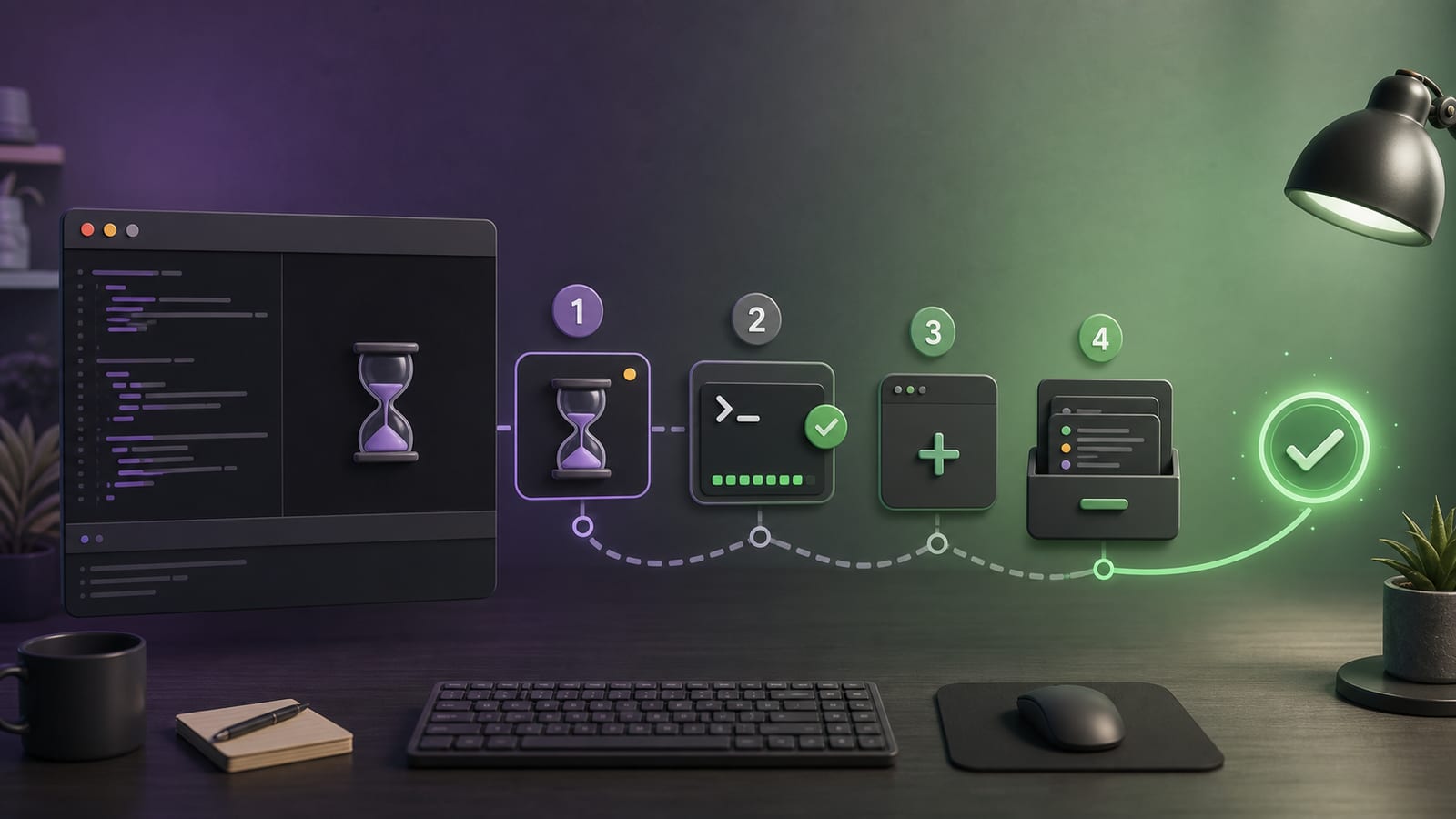
If Codex is stuck and unresponsive, do not send the same message repeatedly. Confirm in order whethe

codex exec In CI, it can analyze code without making changes; first check the sandbox: non-interacti

If Codex Skills is installed but does not trigger, first check if it is located in the scan director

Codex config.toml changes that don't take effect usually don't mean the TOML file is corrupted, but

After exiting the Codex CLI, you don't need to redescribe the entire task; just run codex resume sel

On August 3, 2026, the Qwen team released the Qwen 3.8-Max on the official Qwen blog, positioning it