
Codex is stuck and not responding? Check by approval, terminal, and log check
If Codex is stuck and unresponsive, do not send the same message repeatedly. Confirm in order whethe
DiffRhythm is an AI music tool that can generate complete songs from lyrics and style hints. The homepage of the official website clearly states that it can generate full-length song with vocals and accompaniment, and emphasizes latent diffusion technology and complete song output of up to about 4 minutes, so it is not a short sound effect generator, but a more complete song creation platform. Judging from the information currently verifiable on the official website, the entrance, core capabilities and application boundaries of such products are relatively clear, and they are not just the landing page of conceptual packaging. When you really try it out, the most noteworthy thing is not the slogan itself, but whether it can smooth down a specific task, such as organizing recordings into minutes, turning text into pictures, turning lyrics into songs, connecting advertising processes, or turning internal knowledge into an assistant that can be asked and answered. Only by putting it into a real workflow will it be easier to determine whether it is worth using it for a long time.
Many AI music tools can only give one fragment. The really difficult thing is to connect the vocals, accompaniment and overall structure. The selling point of DiffRhythm is to directly generate a full song.
It is suitable for making song inspiration drafts, lyrics auditions, style experiments and producing a complete demonstration song in a short time.
Suitable for music creators, content creators, independent producers, and people who want to hear their ideas first.
It is suitable for both the inspiration and demonstration phases, and the final release of the work still requires you to judge for yourself the originality, copyright boundaries and post-production quality.
When recording, DiffRhythm should be written as a complete song generation tool, focusing on lyrics-driven, vocal accompaniment and long-term output, rather than written as a normal soundtrack tool.
If you already have clear tasks, such as organizing meetings, generating architecture diagrams, building AI workflows, running ads, drafting songs, doing outreach, analyzing submission history, generating videos, organizing a knowledge base, or arranging meals, this type of tool will be more valuable than when you just look at the front page; if you just browse in general without actual materials and goals, it is often difficult to truly judge whether it is suitable for long-term use.
A more effective way to try it out is to directly take a piece of real material for verification, such as a meeting recording, a knowledge document, a lyrics, a code warehouse, a set of advertising requirements, a picture or a week's dinner schedule, rather than just click on the front page to give a demonstration. Only by putting the tool into real tasks can you see clearly its boundaries, output quality, and whether it is worth entering the long-term workflow.
Can DiffRhythm generate complete songs?
Yes, the official website clearly emphasizes that not only fragments are generated, but complete songs can be output.
What music styles are suitable for DiffRhythm?
The official website FAQ mentions various styles such as pop, rock, lyrical, electronic, and jazz.
Can music generated by DiffRhythm be directly commercially available?
The official website states that commercial use depends on the package, and the authorization boundary must be confirmed before official use.
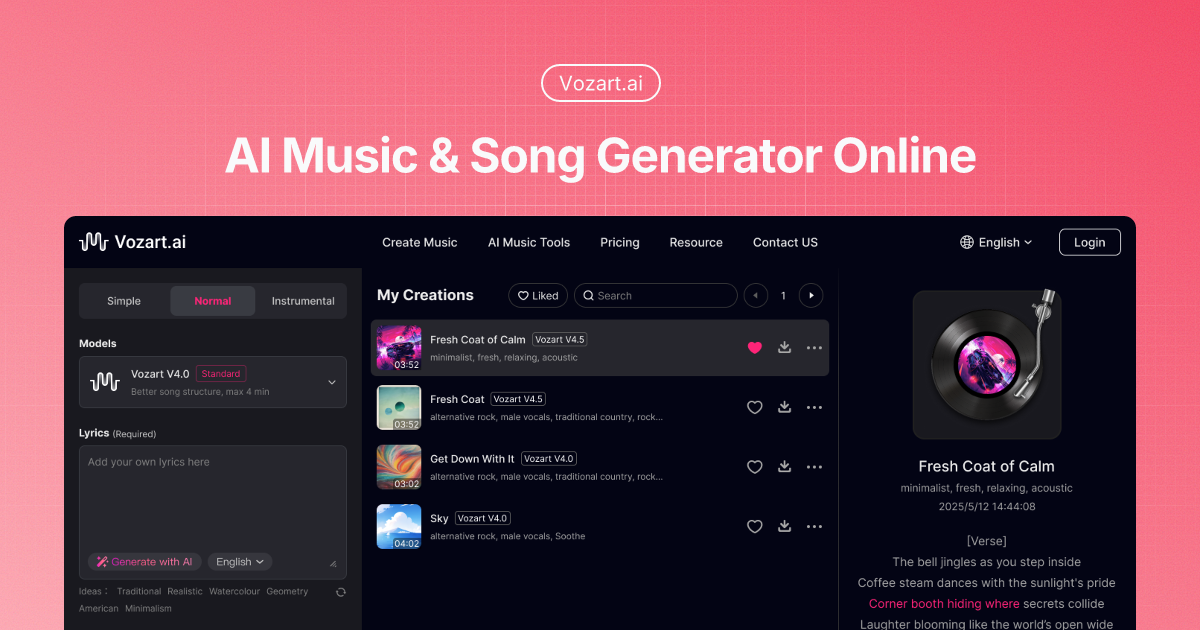
Vozart is an AI music and lyrics generator primarily aimed at music creators, short video teams, and lyric writers for generating drafts of songs, lyrics, and music ideas. It's better for people who already have clear footage, scripts, customer communications, or business processes to centralize song generation, lyric writing, and music drafts into a more performable workflow. When using it, you need to focus on music copyright, style originality and post-production, especially when it comes to customer information, character voices, image materials, web page data or published content, you should first confirm authorization and manual review. Overall, Vozart is suitable as an auxiliary tool for generating drafts of songs, lyrics, and music ideas, rather than a complete replacement for the final judgment of editors, operations, R&D, or management.

Vocs AI is an AI music and sound design tool for teams and creators who need a practical way to generate, organize, convert, or review work before it moves into a final production flow. It is best used with clear source material, a defined output goal, and a human review step for accuracy, rights, privacy, and publishing quality.

Vertate is an AI music and sound design tool for teams and creators who need a practical way to generate, organize, convert, or review work before it moves into a final production flow. It is best used with clear source material, a defined output goal, and a human review step for accuracy, rights, privacy, and publishing quality.

UniMusic AI is an AI workflow tool for teams that need to create, organize, convert, or review task-specific material before final use. It should be used with clear source material, a defined output goal, and human review for accuracy, rights, privacy, and publishing quality.

TinyMusic is an AI workflow tool for teams that need to create, organize, convert, or review task-specific material before final use. It should be used with clear source material, a defined output goal, and human review for accuracy, rights, privacy, and publishing quality.

Text to Song is an AI tool for users who need a clearer way to handle focused digital work. It can support creation, automation, analysis, learning, media production, development, research, customer operations, or document workflows depending on the product scope. Start with a small low-risk task, compare the result with your own standards, and keep human review for facts, permissions, privacy, brand voice, safety, and final delivery.
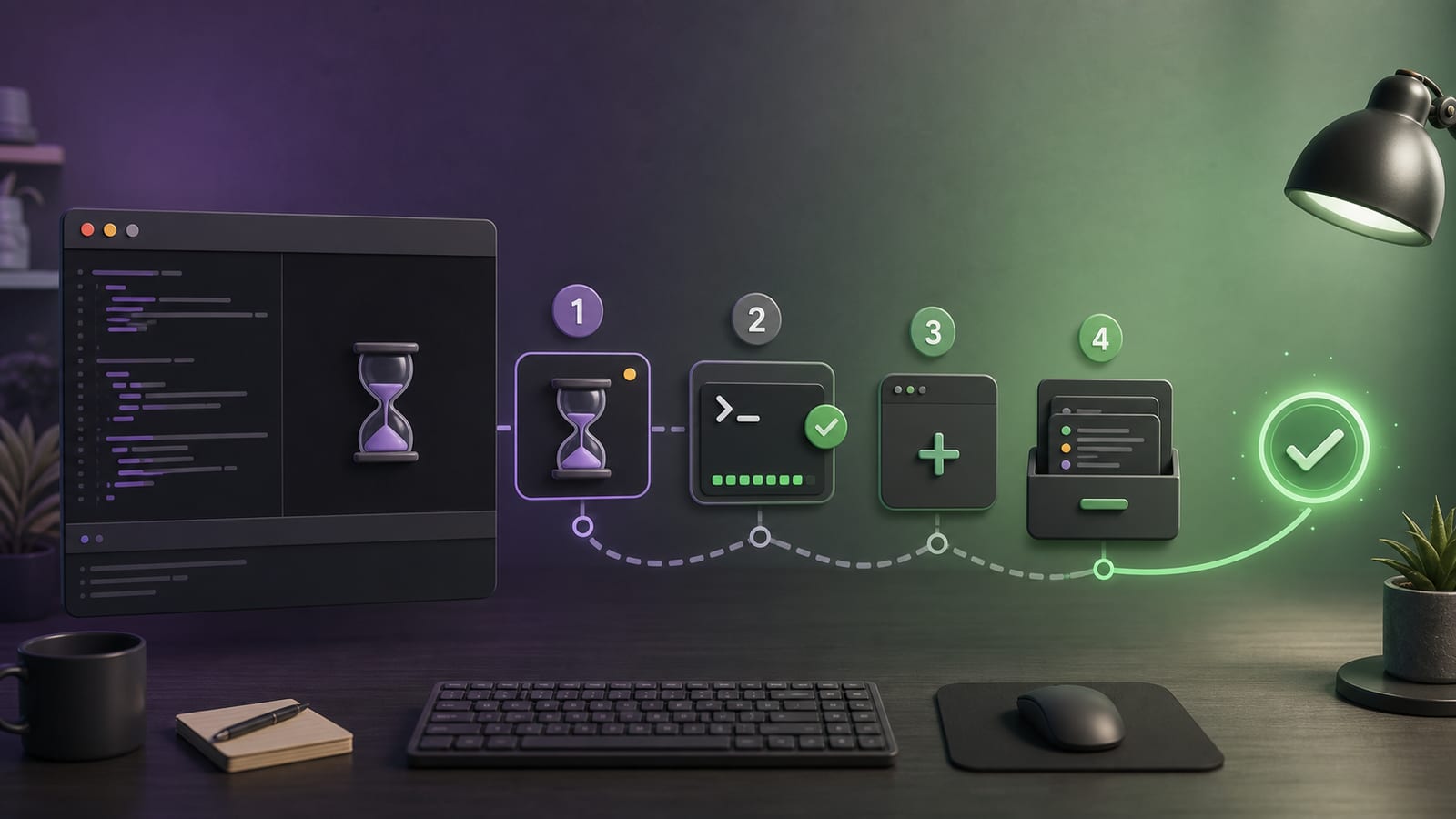
If Codex is stuck and unresponsive, do not send the same message repeatedly. Confirm in order whethe

codex exec In CI, it can analyze code without making changes; first check the sandbox: non-interacti
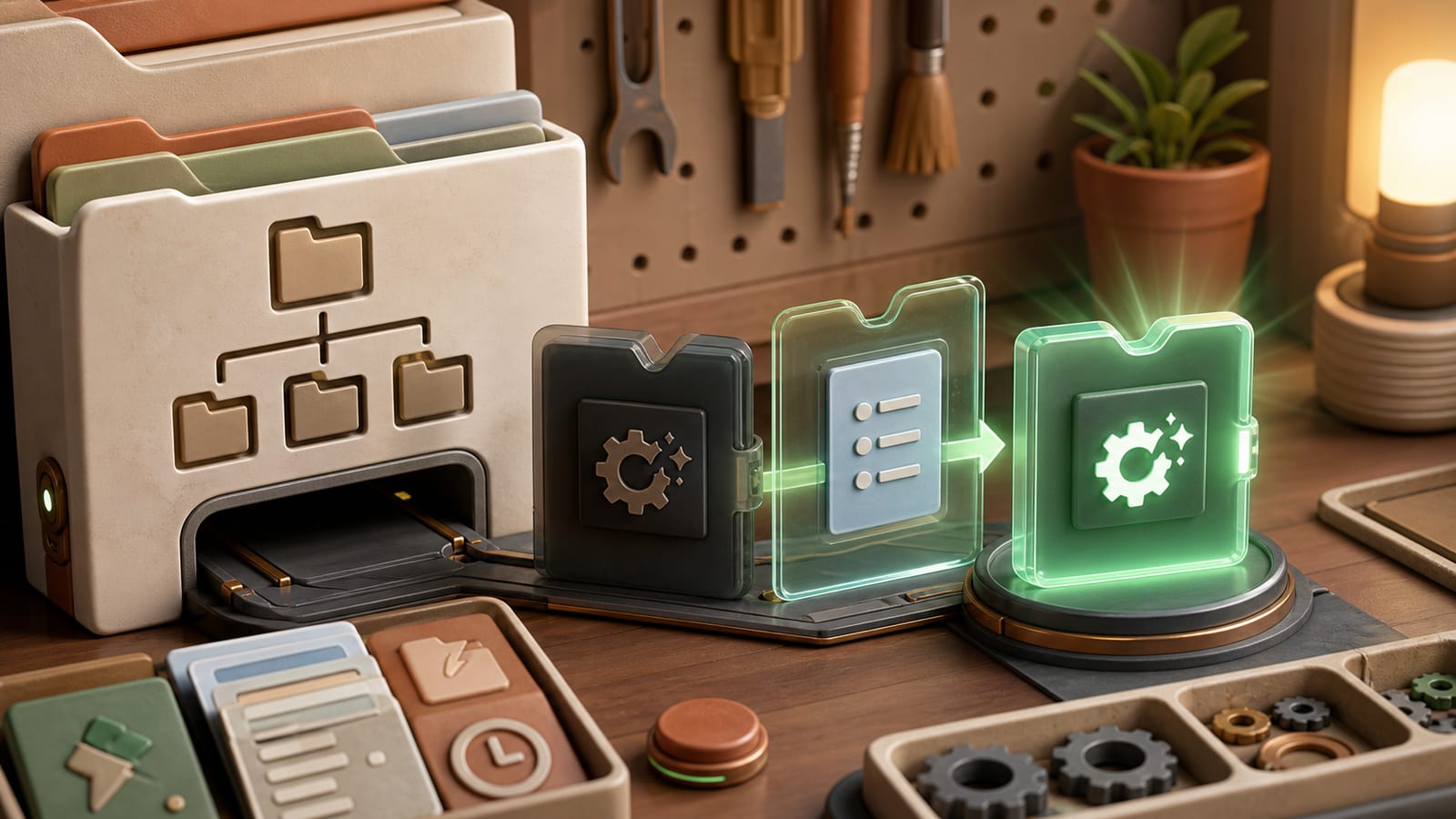
If Codex Skills is installed but does not trigger, first check if it is located in the scan director

Codex config.toml changes that don't take effect usually don't mean the TOML file is corrupted, but
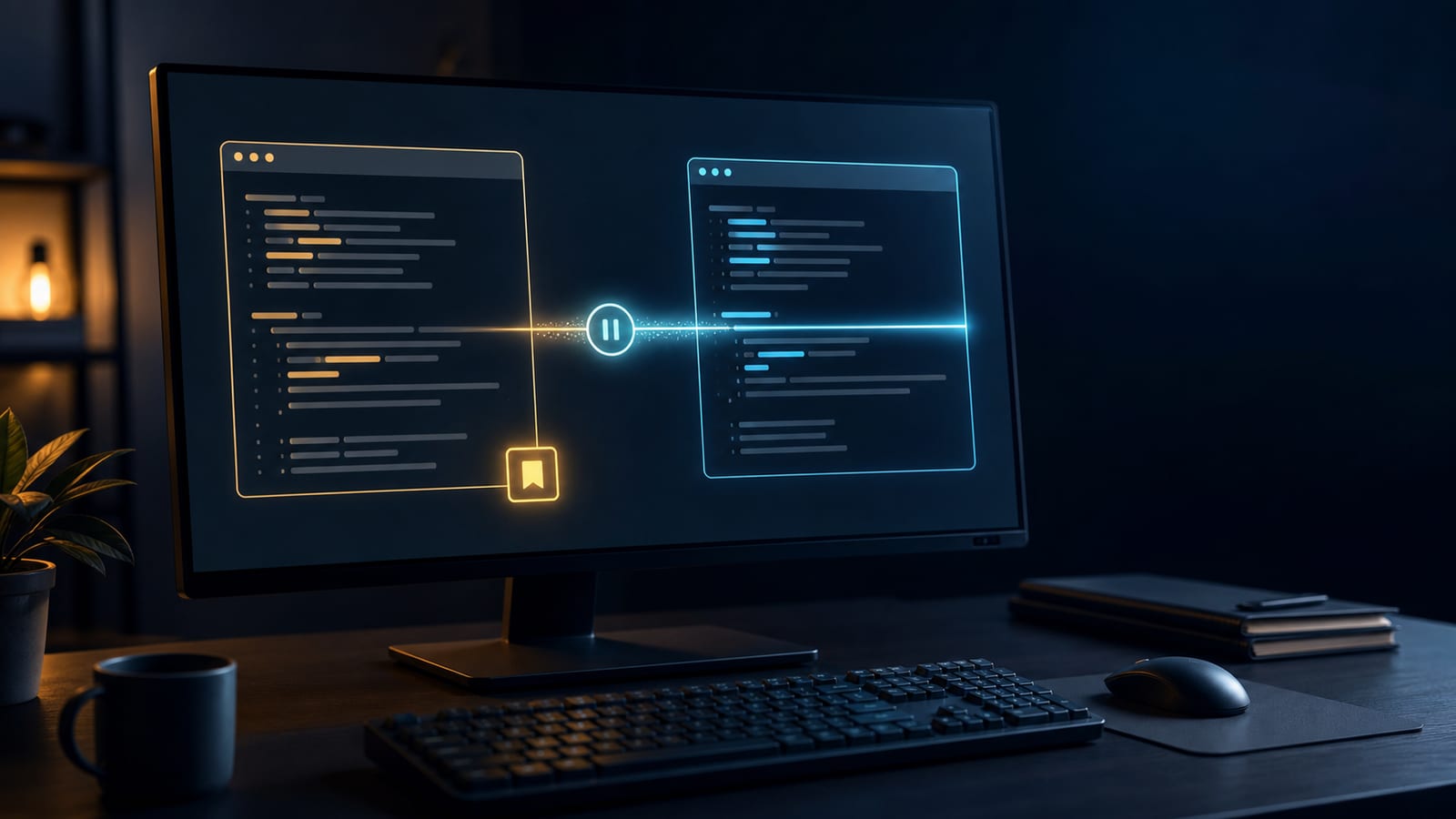
After exiting the Codex CLI, you don't need to redescribe the entire task; just run codex resume sel

On August 3, 2026, the Qwen team released the Qwen 3.8-Max on the official Qwen blog, positioning it