
Codex is stuck and not responding? Check by approval, terminal, and log check
If Codex is stuck and unresponsive, do not send the same message repeatedly. Confirm in order whethe
Cloudglue is a video context API platform for developers. The official website positions it as Videos as Context for AI and explains that it can convert voice, speaker distinction, visual description, and sound information in videos into structured data, allowing developers to conduct searches, chats, and more on this basis RAG、 Entity extraction and batch analysis. The page also emphasizes the Video context engine for AI, supports playable references, cross video search, and structured field extraction, making it suitable for building video understanding products and transforming enterprise video libraries into data layers that AI can directly use. It is more like developing infrastructure rather than a video editing tool directly used by ordinary users.
Many AI systems are already able to read documents and search web pages, but they will be interrupted when encountering videos. What Cloudglue wants to fill this gap is to break down the content in the video into contexts that AI can truly use, so that chat, search, and analysis no longer rely solely on subtitle text.
-The title of the official website homepage is Cloudglue | Videos as Context for AI. -The page description API can convert speech, diarization, visual descriptions, sound, and other information into video context. -The official website showcases chatbot and RAG across videos, emphasizing the use of playable cities. -The platform also supports structured data extraction, cross video search, and large-scale video analysis.
Cloudglue is suitable for video knowledge base Q&A, content retrieval, customer service training video retrieval, media data analysis, video compliance review, and building AI applications around massive videos. For developers, its value lies in reducing the complexity of building their own video parsing pipelines.
Suitable for development teams, AI product teams, media technology teams, and enterprises that need to integrate videos into search or Q&A processes. Teams that already have video assets but lack searchable structured layers will need them more.
Cloudglue is essentially a developer infrastructure that requires API access, data flow design, and permission governance. It is not a ready-made business backend, nor does it decide for you what fields to extract, how to display answers, or how to handle sensitive video content.
When indexing, Cloudglue should be included in the API platform or development infrastructure context, highlighting the video context RAG、 Structured extraction and searchability. Don't describe it as a regular video Q&A webpage, as it is designed for developers to access.
Is Cloudglue designed for ordinary users to use directly? Not its primary positioning. The official website is more focused on APIs and developer platforms, with the core value being the ability to integrate video understanding. What is the difference between Cloudglue and regular subtitle transcription? It not only extracts subtitles, but also incorporates speaker, visual description, sound information, and structured fields into the video context. Is Cloudglue suitable for making video version RAG? Very suitable. The official website directly lists chatbot and RAG across videos as one of the key scenes.

Zilliz is an enterprise-grade vector database and Milvus hosting platform aimed at AI application developers, data engineering teams, and enterprise retrieval teams. Its value is not to make all the work for the user at once, but to provide actionable assistance around building vector retrieval, RAG, and large-scale similarity search services: users can create vector libraries, write data, run retrieval, expand capacity, and then complete the subsequent processing based on their own business judgment. When choosing such tools, you need to pay attention to data permissions, index design, and query costs, especially when it comes to accounts, customer information, contracts, courses, audio, video, or code output, all of which should be manually reviewed. Its visibility capabilities include Vector Lakebase, Milvus, real-time vector search, and lake-scale discovery, making it more suitable for enterprise AI retrieval infrastructure.

Xpoz MCP is a social data API for AI Agents, primarily aimed at marketing teams, intelligence analytics, and AI Agent developers, providing data interfaces for brand monitoring, social listening, and lead analysis. It's for people who already have clear tasks, assets, or business processes, bringing together social data APIs, brand monitoring, and competitive intelligence into easier workflows. When using it, you need to focus on platform policies, data authorization, and privacy compliance, especially when it involves customer data, learning content, audio and video materials, business data, or public release, you should first confirm authorization and manual review. Overall, Xpoz MCP is suitable as an auxiliary tool for providing data interfaces for brand monitoring, social listening, and lead analysis, rather than a substitute for professional final judgment.
XCrawl is an AI web scraping and structured data extraction API aimed at developers, data teams, and AI app builders for scraping web pages and outputting structured JSON, Markdown, or search data. It's for those who already have a clear task, footage, or business process that brings together structured extraction, built-in agents, and AI-ready web scraping into a more actionable workflow. When using it, you need to focus on website permissions, rate limiting, and data compliance, especially when it comes to customer information, learning content, audio and video materials, business data, or public publishing. Overall, XCrawl is suitable as an aid for scraping web pages and outputting structured JSON, Markdown, or search data, rather than a substitute for the final judgment of professionals.

WebscrapeAI is a no-code web data collection automation tool aimed at operators, data teams, and researchers to automatically collect web data and organize structured results. It's better for people who already have clear assets, scripts, customer communications, or business processes that centralize no-code ingestion, structured extraction, and automation tasks into a one-to-one workflow that's easier to execute. When using it, you need to pay attention to website permissions, anti-crawling rules, and data compliance, especially when it comes to customer information, human voices, image materials, web page data, or published content, you should first confirm authorization and manual review. Overall, WebscrapeAI is suitable as an auxiliary tool for automatically collecting web page data and organizing structured results, rather than a complete replacement for the final judgment of editors, operations, R&D, or management.

WaterCrawl is a web scraping framework for LLMs, primarily aimed at developers, data teams, and AI application builders, to convert web content into data suitable for large models. It is more suitable for people who already have clear materials, scripts, customer communications, or business processes, centralizing web scraping, structured output, and large model data preparation into a more performable workflow. When using it, you need to pay attention to crawl permissions, rate limiting, and data compliance, especially when it comes to customer information, character voices, image materials, web page data, or published content. Overall, WaterCrawl is suitable as an auxiliary tool for converting web content into data suitable for large models, rather than completely replacing the final judgment of editors, operations, R&D, or managers.

VoiceAIWrapper is an AI API and developer platform for teams and creators who need a practical way to generate, organize, convert, or review work before it moves into a final production flow. It is best used with clear source material, a defined output goal, and a human review step for accuracy, rights, privacy, and publishing quality.
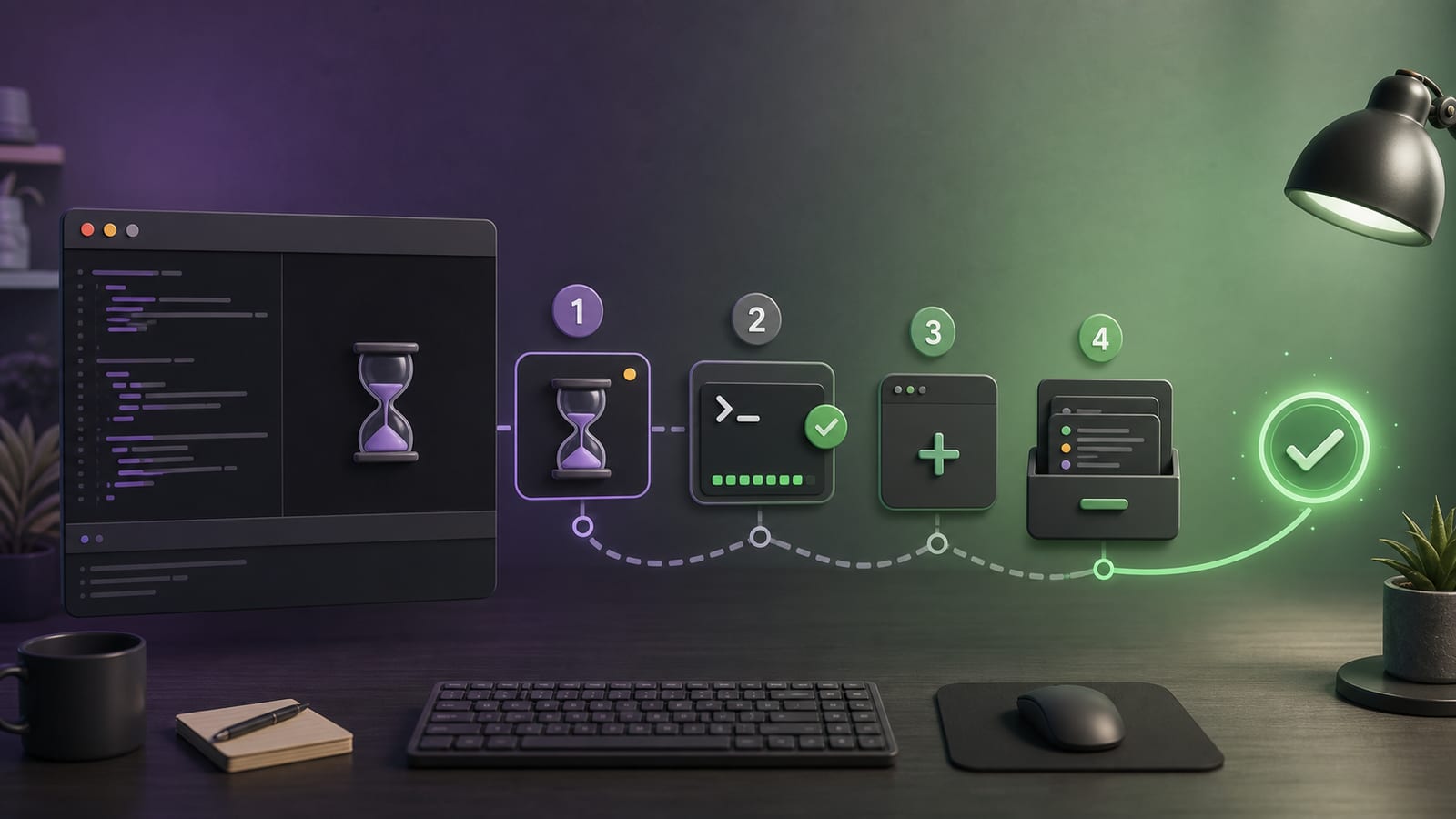
If Codex is stuck and unresponsive, do not send the same message repeatedly. Confirm in order whethe

codex exec In CI, it can analyze code without making changes; first check the sandbox: non-interacti

If Codex Skills is installed but does not trigger, first check if it is located in the scan director

Codex config.toml changes that don't take effect usually don't mean the TOML file is corrupted, but

After exiting the Codex CLI, you don't need to redescribe the entire task; just run codex resume sel

On August 3, 2026, the Qwen team released the Qwen 3.8-Max on the official Qwen blog, positioning it