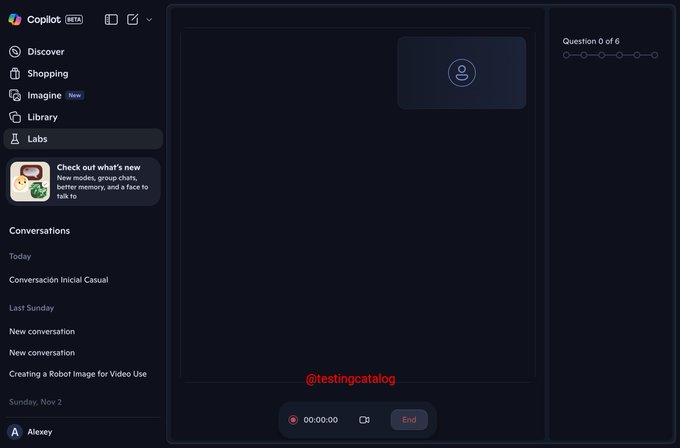
Recently, it was reported that Cocoon, a decentralized confidential computing network in the Telegram ecosystem, has been officially launched and has begun processing artificial intelligence requests for users. The project said that the first batch of AI requests have been inferred under "100% confidential" conditions through the Cocoon network, and GPU holders who contribute computing power will receive income in TON, and the official website cocoon.org has been opened to the public.
Theproject team describes Cocoon as an alternative to traditional centralized computing power providers, believing that centralized cloud vendors such as Amazon and Microsoft constitute "expensive intermediaries" in terms of cost and privacy, while Cocoon tries to reduce the opportunity for third parties to access user data while reducing prices through decentralized network settlement and confidential computing technology. The above statements mainly reflect the project's own positioning, and there is currently no independent assessment of the cost and privacy improvements.
According to public information, Cocoon will continue to introduce more GPU supplies in the coming weeks and attract developers to deploy AI applications on the network. The project team said that Telegram users can experience new AI functions built on the network in the future, and emphasized that Cocoon's goal is to return more control over computing power usage and data privacy to users under the premise of "light access", and the specific product form and launch rhythm still need to be further disclosed.
FAQs
Q: What is Cocoon?
A: Cocoon is introduced as a decentralized confidential computing network for processing various AI requests while maintaining data confidentiality.
Q: How can GPU holders earn in Cocoon?
A: GPU holders connect their computing power to the network, process AI requests for others, and receive incentive rewards in the form of TON.
Q: How is Cocoon different from centralized cloud computing power such as Amazon and Microsoft?
A: The project team emphasizes its decentralized and confidential computing characteristics, claiming to reduce intermediary costs and improve privacy protection, but the actual effect still needs to be verified by a third party in the long term.