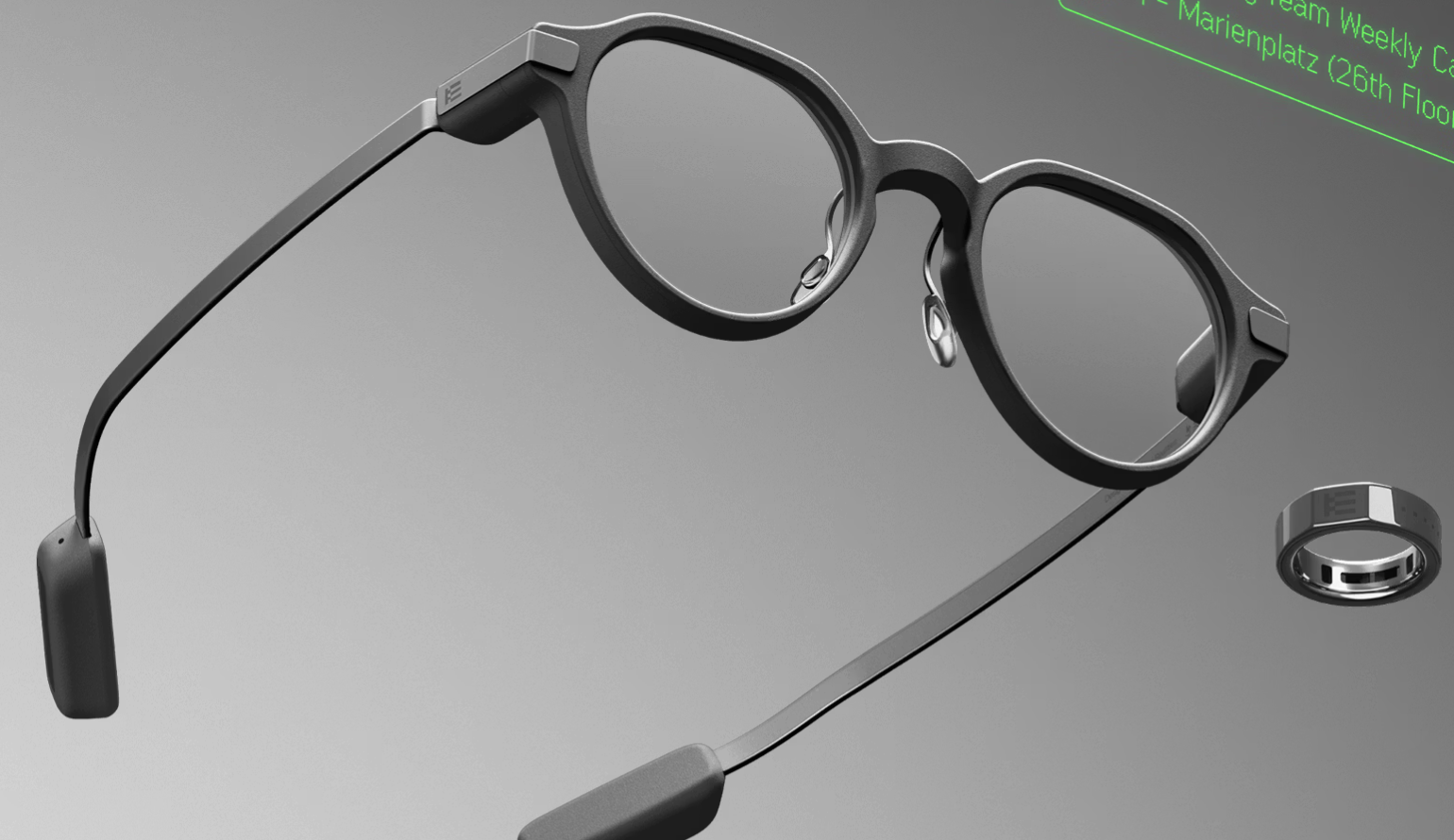
1. Product positioning and price
Even G2 is a display smart glasses that focus on "quiet technology", and the core idea is not to take photos and socialize, but to superimpose important information on the edge of the field of view without interrupting the line of sight. The official price is about $599, and it has the best experience with the $249 Even R1 smart ring, and the overall positioning is mid-to-high-end commuter and office users.
2. Core hardware and wearing experience
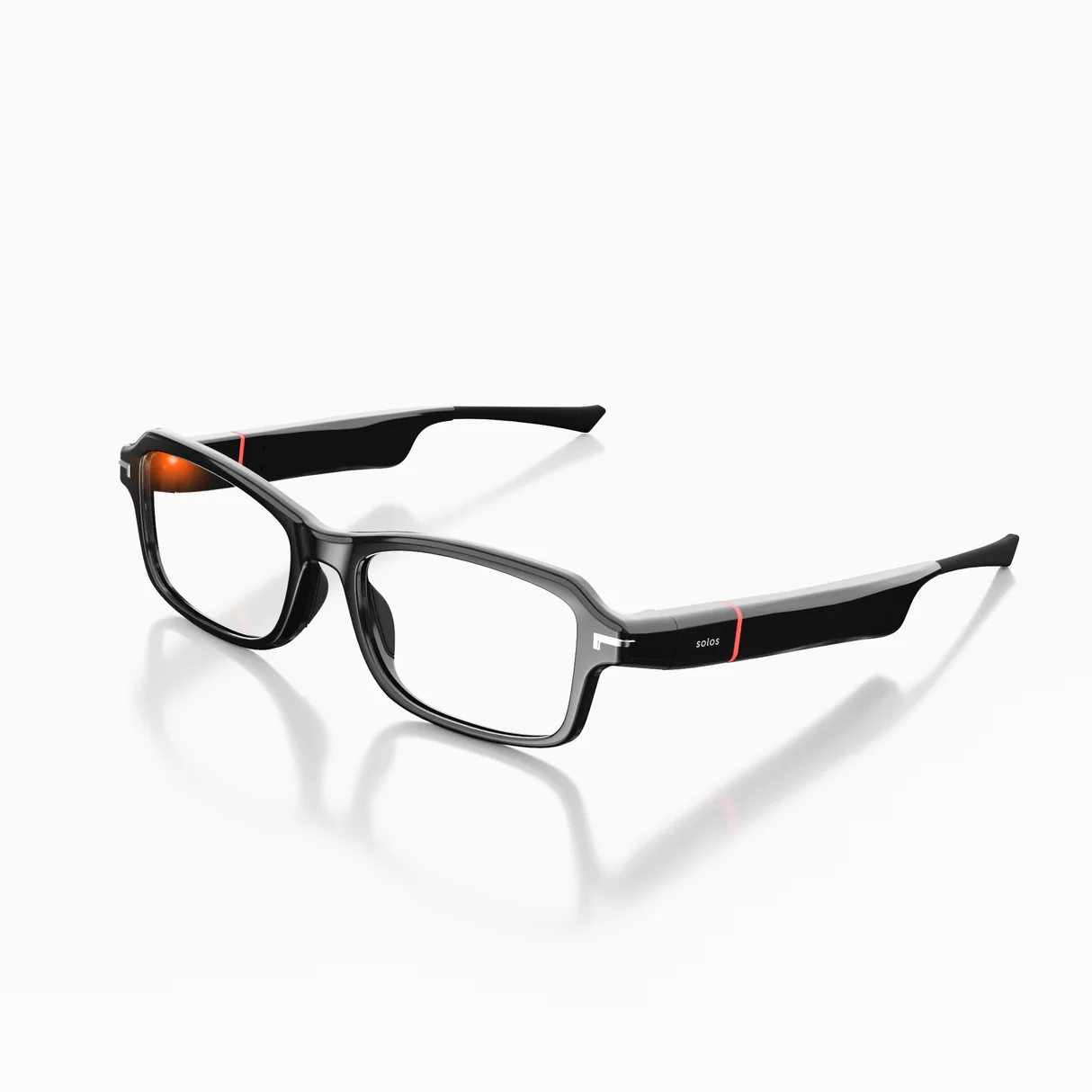
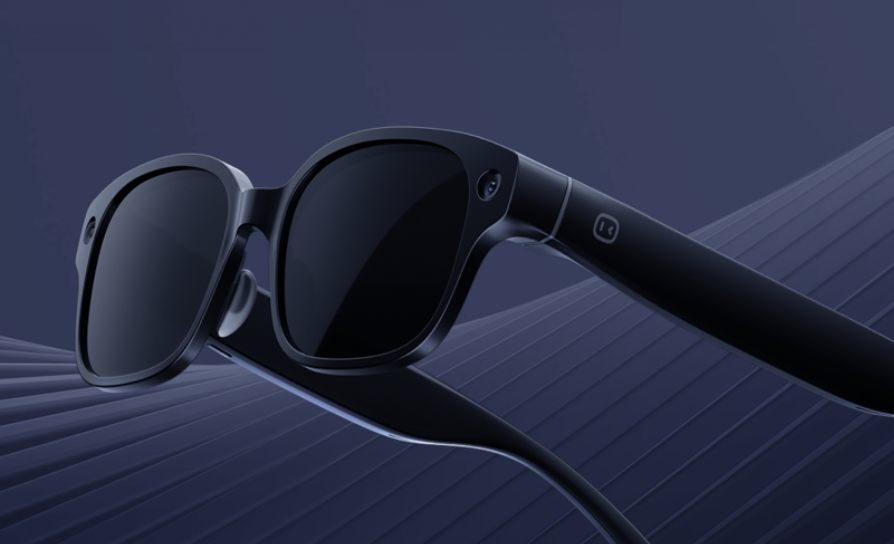
The G2 adopts a micro Micro LED projection and multi-layer waveguide solution, and projects information onto a "floating screen" about two meters away through its own Even HAO optical system, without obstructing normal vision. The whole machine is about 36 grams, the frame is made of lightweight materials such as titanium alloy, and is IP67 dustproof and waterproof, which can cope with daily rain, sports and sweating. The official claims that a single battery life can reach two days, and the charging case can also replenish about seven additional charges, which is more inclined to the rhythm of "all-weather wear".
3. AI functions and interaction methods
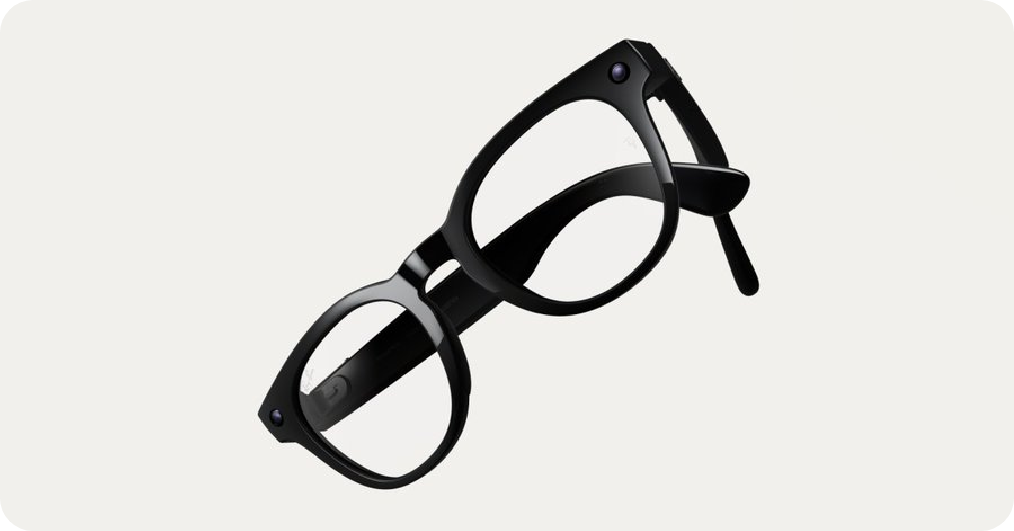
The G2 has four built-in microphones but deliberately eliminates the camera and external speakers, and all inputs revolve around voice and text, emphasizing privacy-friendliness. Functions include Teleprompt teleprompt, Translate multilingual translation, Navigate navigation, Transcribe voice transcription, QuickNote shorthand, notification reminders, etc., and access to ChatGPT, Perplexity and its own large model to provide key points and background supplements for conversations through the "Conversate" function. The operation can be touched with the temples or swiped and tapped with the touch surface of the R1 ring, reducing repeated fumbling on the frame.
4. Applicable people and usage suggestions
Even G2 is more suitable for people who often give speeches, communicate across languages, hold heavy meetings, or don't want to take out their mobile phones all the time. It doesn't have a camera and music playback, it's more like a "notification center and teleprompter with a display" and isn't for people who want to vlog or listen to songs. Two points should be considered before purchasing: first, it needs to rely on mobile phone networks and cloud services for a long time; Second, although there is no camera, the microphone still has privacy attributes, and it is recommended to turn off transcription and session recording in sensitive venues.
Q&A
Q1: Even G2 is too weak without a camera?
A: It is positioned as an information display and AI assistant, focusing on translation, teleprompting, navigation, shorthand, and notifications, suitable for "text and prompt-based" scenarios. If your core needs are to take photos, live stream or record life clips, you can consider other smart glasses with cameras.
Q2: Is it mandatory to buy the R1 smart ring?
A: Not just needed, all functions can be completed with temple touch and mobile app. The value of R1 is that it hides operations in your fingers, makes it more discreet when speaking or meeting, and records basic health data while incidentally recording basic health data, which is an experience enhancement rather than a necessity.
Q3: Can the actual battery life last a day of high-intensity use?
A: There is no big problem with charging every two days at normal frequencies, if you use translation, navigation and teleprompters frequently, the power will be consumed faster in a single day, but the charging case can be replenished multiple times, which will be more friendly to people who travel for business and meetings.
Q4: Will it be as easily dizzy as AR headsets?
A: The G2 is not a full-space AR, but a "flat HUD" that fixes information in the field of view, with adaptive brightness and a long projection distance, which puts relatively less pressure on the eyes. It is recommended to start with a short period of time for the first use, gradually lengthen the time, and avoid staring at the interface for a long time on a violently shaky vehicle.