I. Basic Information
Portkey.ai is a production-grade platform for generative AI applications. Its core capabilities include AI gateway, full-stack observability, cost and quota governance, prompt and policy management, model routing and rollback, and more. The platform provides a unified API to connect multiple models and cloud services, helping teams achieve reliability, compliance, and cost control without altering their business architecture. Typical users include application developers, platform engineering and data teams, and organizations with audit and SLA requirements.
II. Product Overview
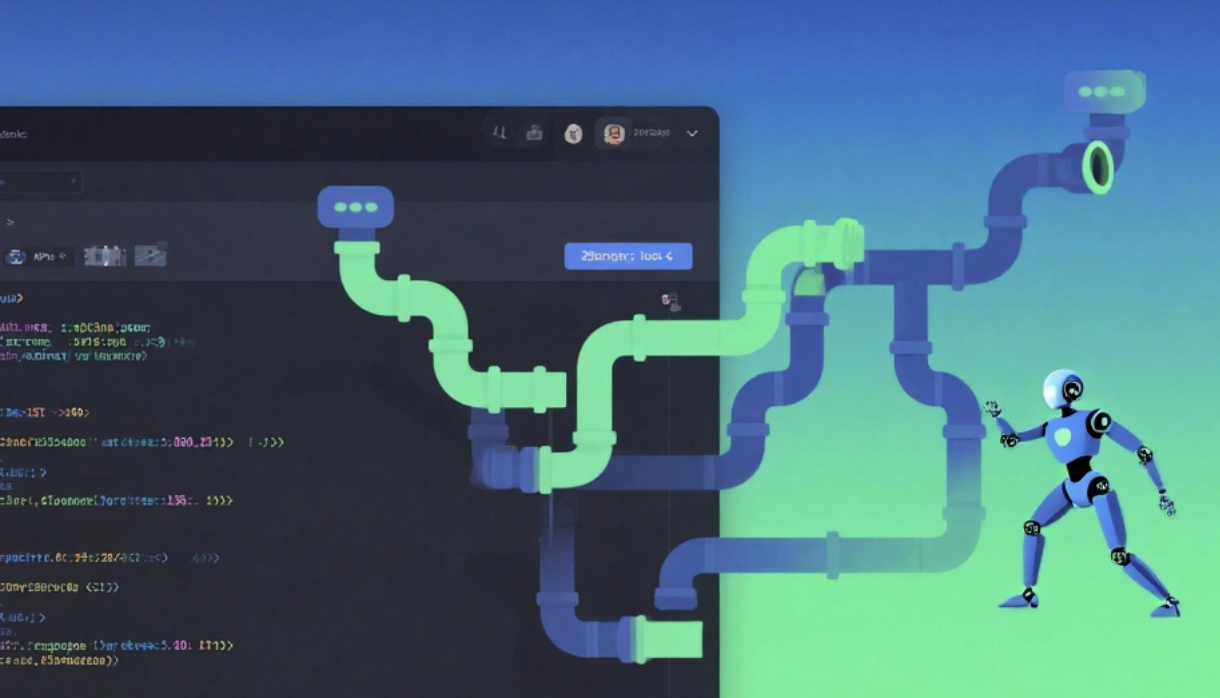
Portkey.ai integrates request routing, rate and budget limits, key and access control, caching and fallback, Guardrails and prompt template management, and end-to-end tracing into a unified system through a gateway and console architecture. Developers can switch models, conduct A/B testing, deploy policies, and attribute costs directly in the console with minimal modifications to the unified API, eliminating the need for frequent code changes. The platform also provides logs and metrics views, recording latency, cost, and quality highlights for each call, aiding in problem localization and capacity planning. For demanding scenarios, it supports cloud hosting and enterprise-level deployments and provides integration examples with mainstream frameworks.
III. Core Functions
1. Main functions
Unified AI Gateway
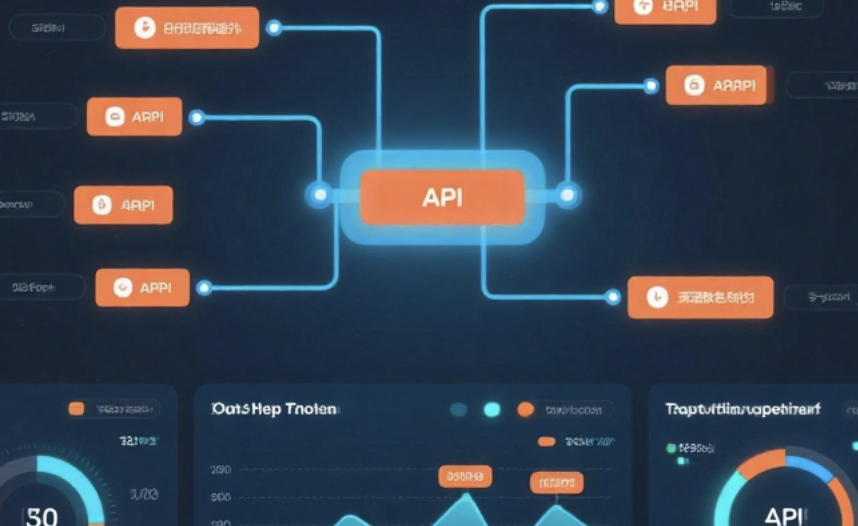
It allows access to multiple models and deployments via a single interface, supporting load balancing, retries and rollbacks, as well as routing policies across providers and multiple accounts.
Full-stack observability
Record key dimensions of requests and responses, providing call chain tracing, performance and cost visualization, quality comparison, and anomaly analysis.
Cost and Budget Governance
Cost attribution can be performed by user, tenant, or application; budget and rate limits can be set; and automatic price list updates and custom pricing strategies are supported.
Caching and A/B Testing
Semantic caching of similar requests reduces redundant overhead; experimental routing compares different models, hints, and parameter combinations.
Safety and Compliance
Centralized management of keys and access policies, output of audit logs, and compliance requirements are met by combining enterprise identity systems and deployment options.
2. Technical characteristics
A unified API masks model differences, and the routing layer supports dynamic selection based on latency, cost, and availability.
The log records cover multiple dimensions, making it easy to analyze latency, cost, and hit rate simultaneously within a single call.
It supports setting budget thresholds based on amount or token, and provides metadata annotation to enable user-level cost tracking.
It integrates with common ecosystems, is compatible with development frameworks such as LangChain, and provides SDKs and guidelines to reduce access costs.
IV. Pricing and Versions
The platform offers free tiers and advanced plans, with tiered pricing based on usage and feature permissions. The enterprise plan targets high-concurrency and compliance scenarios, supporting higher log quotas, governance policies, and various deployment configurations. Specific pricing, quotas, and support policies are subject to change based on the official website and may be adjusted during periods and promotions.
V. Applicable Scenarios and Target Audience
It is suitable for chat and search enhancement, document and knowledge Q&A, batch generation and creative production, evaluation and alignment control, and AI function interfaces for external clients. Target audiences include application teams requiring stable deployment and controllable costs, enterprise IT and platform departments with compliance and auditing requirements, and R&D and data science teams exploring multi-model combination strategies.
VI. Frequently Asked Questions
Q: What engineering pain points can Portkey.ai's "Unified API" solve?
A: A unified API shields the details of different models and providers, enabling routing, fallback, caching, and observation capabilities with a single integration, reducing the cost of repeated integration and maintenance.
Q: How to conduct cost attribution and budget control?
A: Tag calls using metadata, calculate costs by user or tenant, and set a budget threshold for virtual keys or tokens in the console. If the limit is exceeded, the call will be automatically blocked or an alarm will be triggered.
Q: What specific dimensions does observability include?
A: The platform records latency, cost, prompts and parameters, provider and model version, response quality points, etc. for each request, and supports retrieval, aggregation and report export, which facilitates the location of anomalies and comparison of experimental results.
Q: Is it necessary to make significant changes to the existing code?
A: The goal of integration is to minimize changes. After replacing the original direct connection model calls with Portkey gateway calls, most policy and model switching can be completed in the console without frequent code modifications.
Q: How are deployment and compliance guaranteed?
A: Offers cloud hosting and enterprise-level deployment options, centralized key management and audit log output, facilitating integration with enterprise identity systems and compliance processes. The specific form depends on the enterprise's solution.