In the past 24 hours (June 1 to June 2, 2026), the main themes of the AI industry have focused on agents, on-device computing power, embodied intelligence, and developer tools. Domestically, WeChat AI agency, the new MiniMax model, Kouzi 3.0, and Unitree's IPO have become focal points; overseas, NVIDIA and Microsoft continue to expand their ecosystems around AI PCs, robotics, and enterprise intelligent agents.
1. Tencent is advancing WeChat AI proxy testing
Tencent is reportedly testing AI proxies embedded in WeChat, aiming to conduct small-scale external testing after compliance procedures. If implemented, WeChat mini programs, payment and life service ecosystems will become important entry points for AI agents to carry out tasks.
2. MiniMax releases the next-generation flagship model M3
The MiniMax M3 focuses on programming, 1M ultra-long context, and native multimodal capabilities, and adopts a self-developed sparse attention architecture. This model shows that domestic large model competition is shifting from single-point dialogue capabilities to long texts, tool calls, and agent tasks.
3. ByteDance Buckle Coze 3.0 is now online
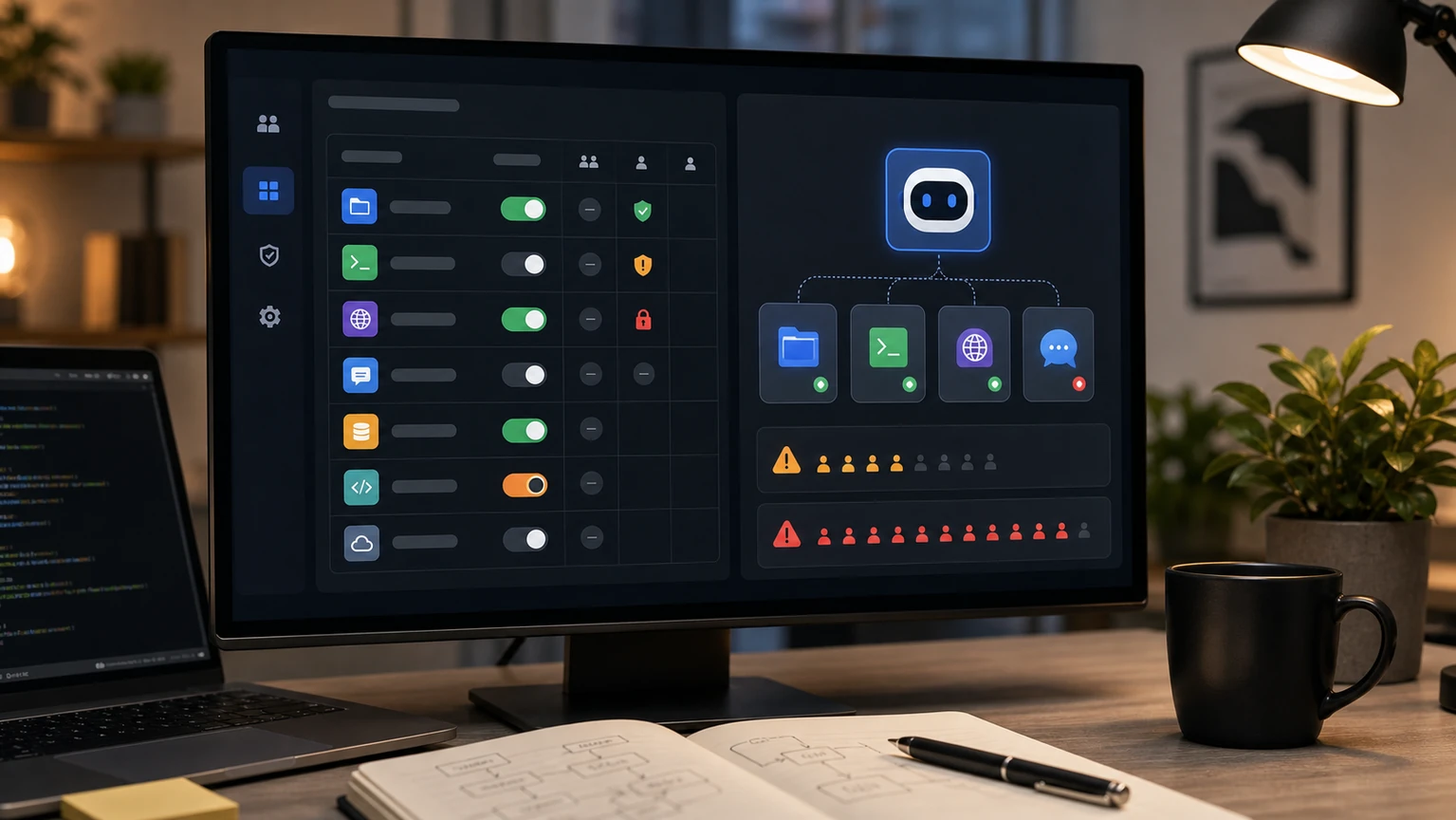
Kouzi 3.0 supports multi-user and multi-agent collaboration, covering mobile, desktop, and web platforms. The focus is no longer just on creating a single bot, but on bringing multiple agents into project management and real workflows.
4. Unitree Technology's IPO process has reached a critical juncture
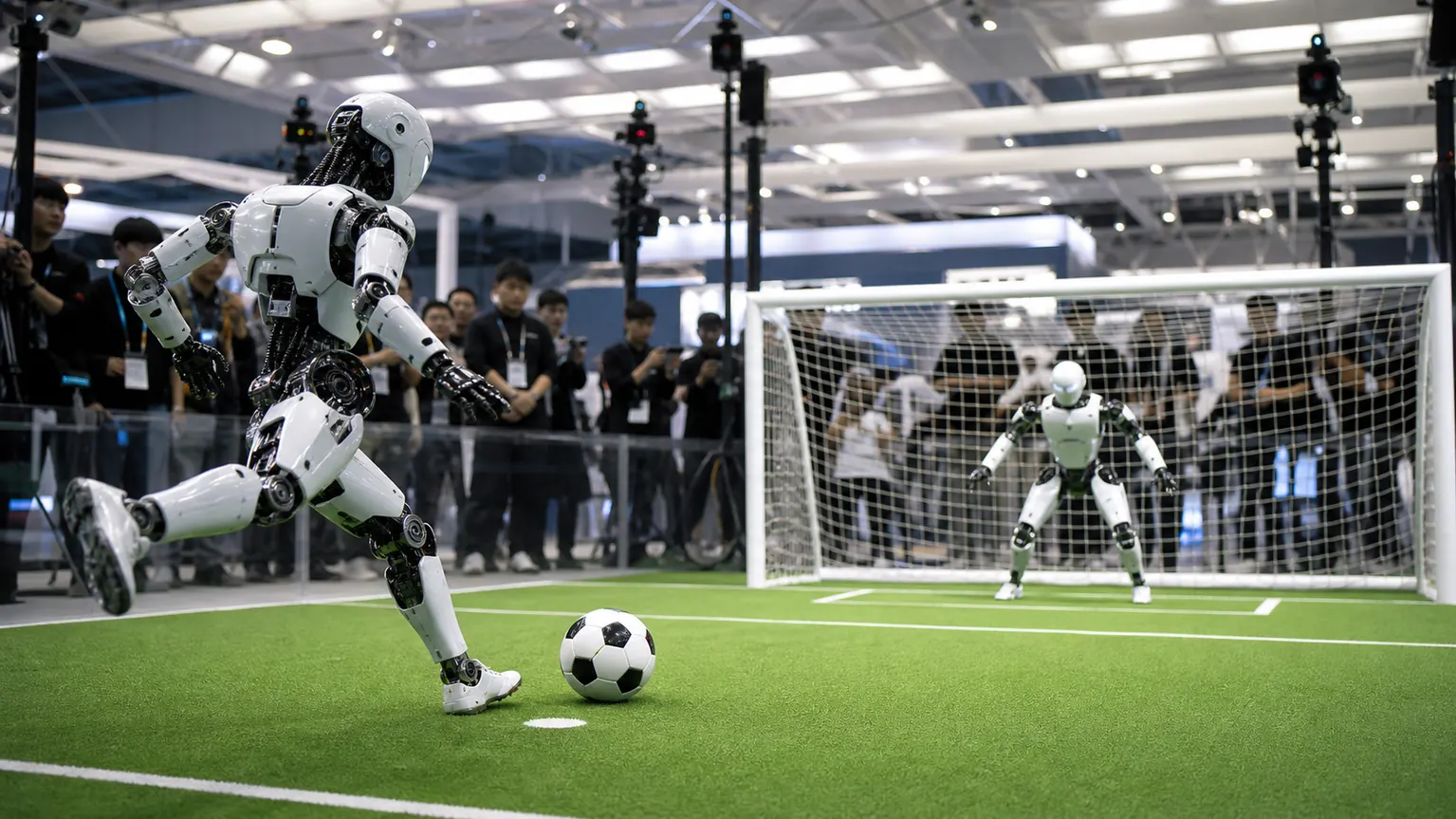
Unitree Technology's STAR Market IPO was held on June 1, with plans to raise funds for robot model development, ontology development, new product development, and manufacturing base construction. The entry of embodied intelligence companies into the capital market signals that commercialization expectations for the robotics sector continue to heat up.
5. NVIDIA releases new chip solutions for AI PCs
NVIDIA has launched AI chip solutions for Windows laptops and desktop devices, emphasizing local AI agents. With enhanced on-device AI capabilities, personal computers may transform from "application launchers" into "task execution terminals."
6. Microsoft Build 2026 focuses on AI agents and developer tools
The Microsoft Build Conference opened on June 2, focusing on AI tools, the Copilot ecosystem, Windows-native AI, and developer platforms. Its direction indicates that AI is deeply penetrating operating systems, code development, and enterprise software infrastructure.
7. NVIDIA expands its humanoid robot collaboration network
NVIDIA stated that, in addition to Unitree China, it will collaborate with humanoid robot manufacturers from the United States, Europe, and South Korea to promote standardized research of robots. Safe robot startup, trusted computing, and hardware-software collaboration have become new focuses for embodied intelligence implementation.
8. Enterprise software vendors integrating the NVIDIA AI Agent toolchain
NVIDIA announced that several enterprise software companies are building automation, AI, engineers, and industry agents based on its platform. AI agents are moving from general chat scenarios to chip design, industrial software, and enterprise process automation.
9. Intensified competition in the AI PC ecosystem
The collaboration between NVIDIA and Microsoft has drawn attention to the PC industry chain, with manufacturers like Dell, Lenovo, HP, and ASUS being included in the new generation AI PC ecosystem. Future hardware competition will focus not only on computing power but also on local models, privacy, and application adaptation.
Frequently Asked Questions (Q&A)
Q: What has been the most obvious trend in the AI industry over the past 24 hours?
A: Agents have moved from proof of concept to platform-level products. WeChat, Kouzi, Microsoft, and NVIDIA are all focusing on "AI performing tasks for users."
Q: What are the core highlights of domestic AI news?
A: The domestic focus is on agent entry points, open-source model capabilities, and embodied intelligence capitalization, indicating that AI is moving from model release to application and industrial deployment.
Q: What are the core highlights of overseas AI news?
A: Overseas focus is on AI PCs, developer platforms, and robotics ecosystems. NVIDIA and Microsoft continue to extend AI capabilities to hardware, systems, and enterprise software.
Q: What insights do you have for entrepreneurs and developers?
A: Opportunities are shifting from single chat apps to executable workflows, with long-context, multi-agent collaboration, native AI, and vertical industry tools gaining more attention.