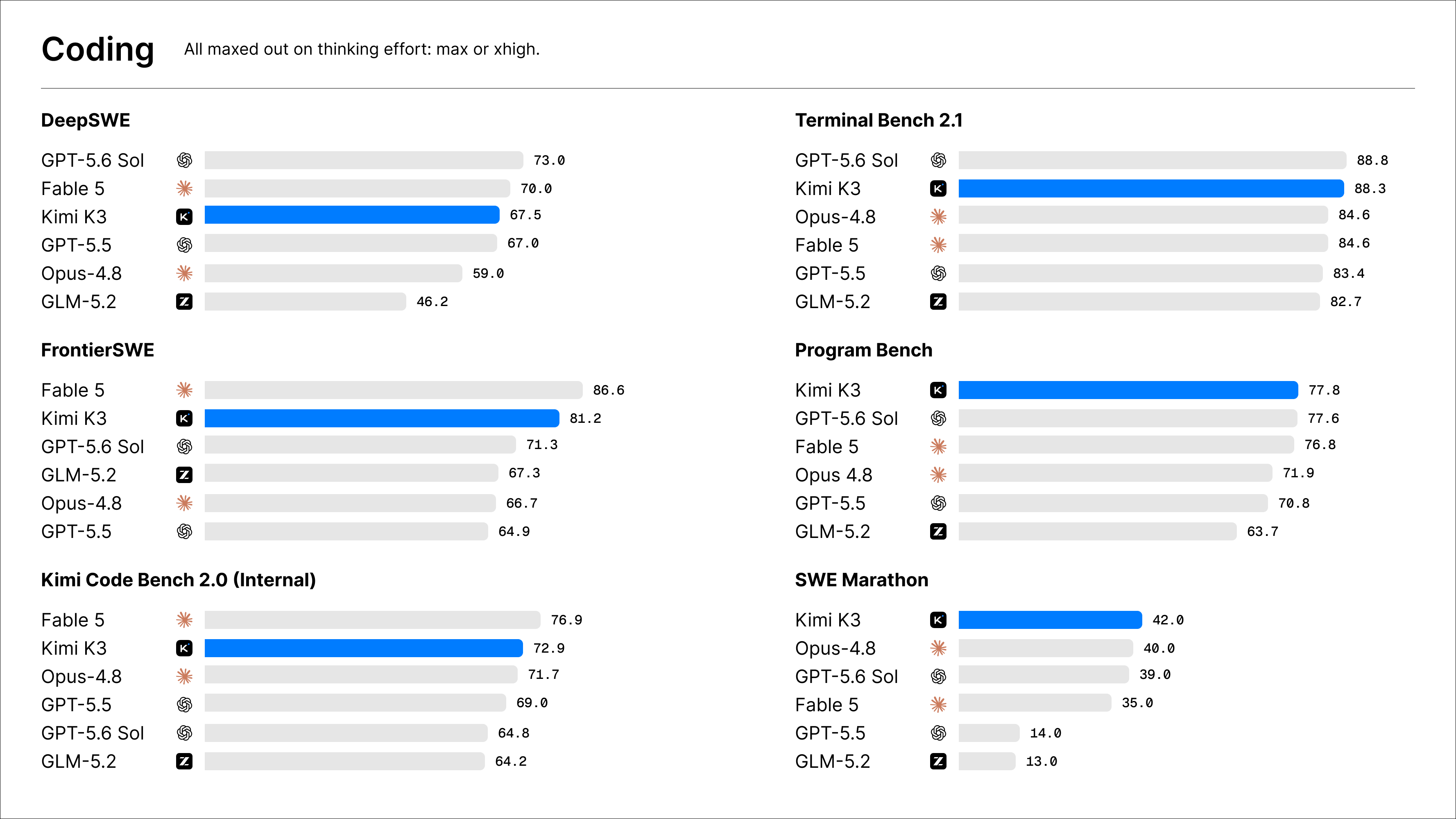
On May 28, 2026, Anthropic released Claude Opus 4.8. Compared to a regular model iteration, this time iteration pushes Claude a step further as a "work agent capable of handling long tasks": the model is available today, the regular price remains unchanged, and Claude Code, claude.ai, and API have all received supporting updates.
The official statement says Opus 4.8 improves coding, proxy tasks, and professional tasks, emphasizing that it is less likely to "pretend to complete it when it doesn't do well" compared to the previous generation. This is not flashy, but it is crucial for businesses and developers. The most troublesome part of long tasks isn't the model occasionally getting incorrect, but the fact that it keeps revolving when evidence is insufficient and brings the problem into subsequent workflows.
What matters most is not the score, but the ability to support the team
The dynamic workflows added to Claude Code are in research preview, allowing Claude to plan tasks, run numerous sub-agents in parallel, and then verify outputs before reporting back. The official directions include large-scale code migration, retesting, and fixing cross-module issues. This capability is currently available for Enterprise, Team, and Max programs, serving more as an experimental entry point for intensive development scenarios.
claude.ai and Cowork have added effort level control. Users can choose to ask Claude to think a bit more in exchange for more stable answers; It also reduces effort, saves rate limits, and allows faster responses. For ordinary users, this is more intuitive than abstract model parameters, because the same problem isn't always worth the highest cost to handle.
API updates reveal the direction of proxédération
The Messages API now allows system entries to be added to the Messages array. Developers can update permissions, token budgets, or environment instructions midway through tasks without interrupting caching or forcing user messages. This change is subtle but practical for long-running agents: in real workflows, rules, context, and permissions often change.
Opus 4.8 also repricing fast mode, with official speeds up to 2.5 times faster, three times cheaper than the previous generation fast mode. Its signal is: Anthropic is not only competing for the strongest model but also adding a product layer that can run long-term, control costs, and be integrated into the team's processes.
Who should try now?
If you mainly use Claude for short articles or daily Q&A, the sense of upgrading might not be too dramatic. The ones truly suitable for immediate testing are AI programming teams, legal/financial document analysis teams, and companies working on internal agents. The focus is not on letting it make the final decision for you, but on observing whether its stability in long sessions, tool calls, code modifications, and self-correction has improved.
Source of information
Official source: Anthropic Claude Opus 4.8 release announcement.