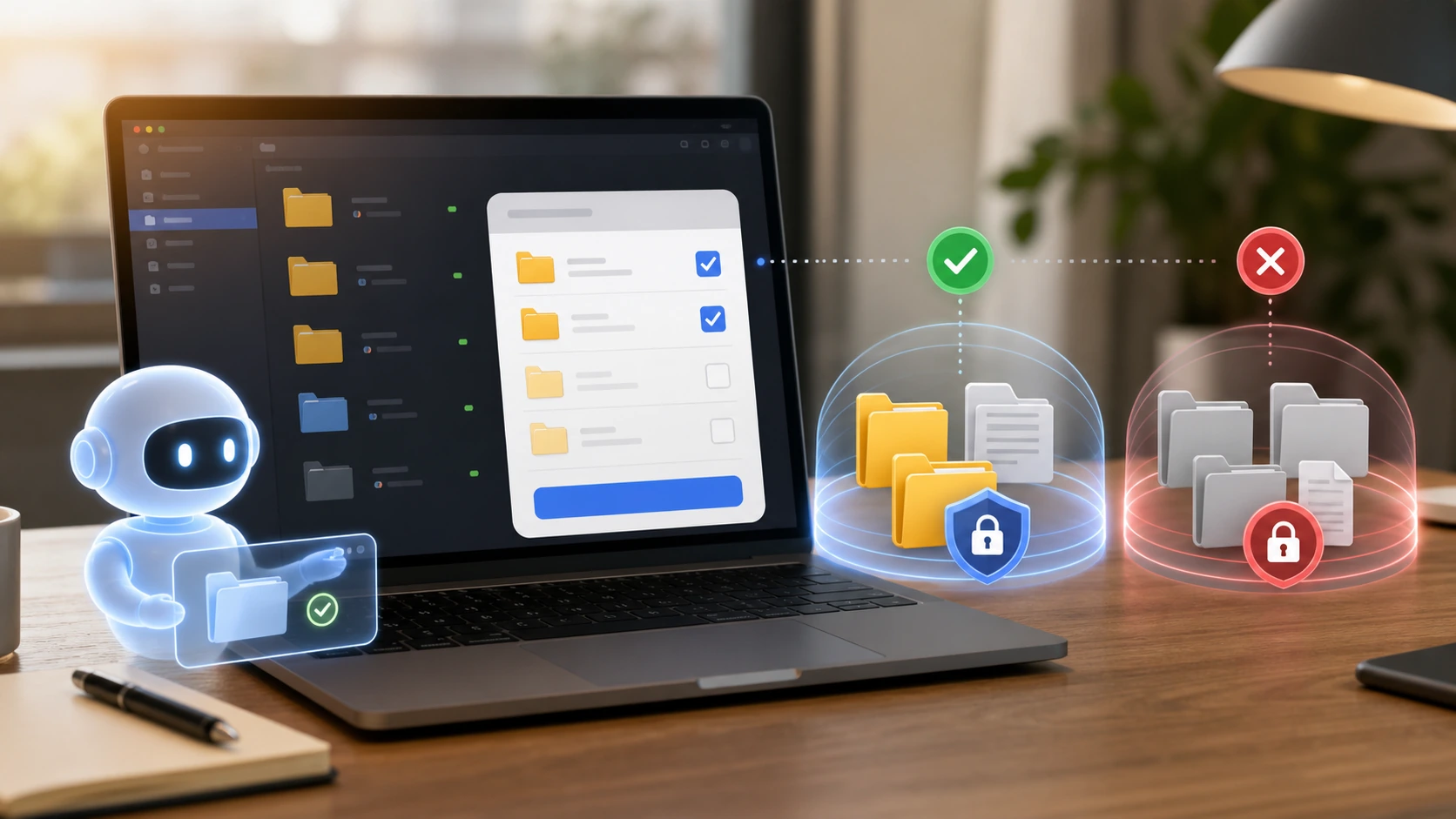
One sentence conclusion: Deploying large models locally means running model files and inference programs on your own computer, server, or intranet machine, rather than sending questions to the cloud API every time. Its core benefits are privacy, control, and offline availability, with the core costs being hardware, speed, and maintenance costs.
Many novices will think that they must write code and configure servers when they hear "deployment". In fact, the entry barrier is much lower: with tools like Ollama, LM Studio, and Jan, you can chat locally after downloading the model; If you want to make calls to a team or business system, you need to further configure server interfaces, permissions, logs, and concurrency.
What exactly is deployed on-premises
It typically consists of three parts: model weights, inference engine, and call entry. Model weights can be understood as the "capability files" of large models, the inference engine is responsible for getting it running on the CPU, GPU, or Apple chip, and the call entry may be a desktop chat interface or an OpenAI-compatible API.
So "on-premises" is not the same as "training a model yourself". Most users simply download open-source or open-weight models that have been trained by others and use them for inference on their own devices.
Novices should look at the hardware first
The first thing to look at is the visible existence. The larger the model, the more sensitive it is to video memory. 7B and 8B level models are more suitable for personal computer entry; Larger models may require higher video memory or multiple cards. Secondly, looking at memory and hard disks, quantized models can also take up several gigabytes to tens of gigabytes. Third, it depends on whether you can accept the speed, the CPU can also run some small models, but the response will be much slower.
If you are just trying it out, give priority to small models and quantitative versions, and don't chase the maximum parameters at the beginning. Larger parameters may not necessarily be better for your machine, nor may they result in a better experience.
Which situations are worth deploying on-premises
Scenarios suitable for on-premises deployment include: processing internal company documents, not wanting sensitive content to go out of the public network, still using it when the network is unstable, running fixed tasks at low cost for a long time, and wanting to access your own knowledge base or automation system. It is also suitable for developers to test different models, modify prompts, and make prototypes.
The situation that is not suitable is also very clear: if you pursue the strongest general capabilities, have no hardware budget, need stable and high concurrency, and have no one to maintain the environment, then it is often more worry-free to use mature cloud models directly.
How to get started is more stable
It is recommended to use desktop tools to run through a 7B or 8B model to confirm that the machine speed and effect are acceptable. Try the OpenAI compatible interface again and connect it to the chat front-end or workflow tool. Finally, consider knowledge bases, permissions, monitoring, and multi-user access. This step-by-step verification is less likely to get stuck than directly using complex services.
Remember: on-premises solves "data and control is with me", not automatically making the model smarter. Before going live, test answer quality, hallucinations, privilege isolation, and backup policies.