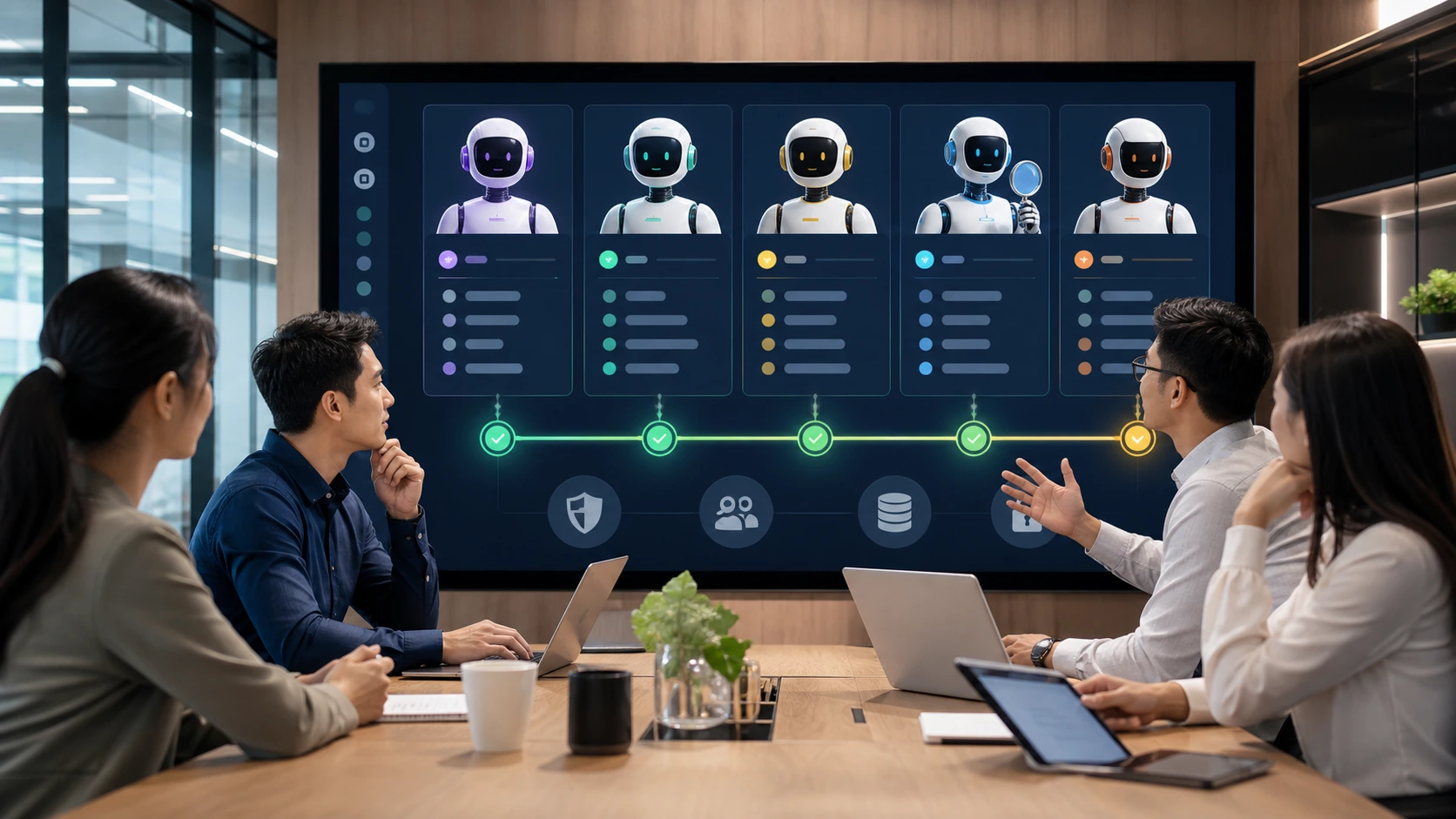
The core of OpenClaw's model choice is not "which is the cheapest", but the task risk. Agents with tool calls, browsers, file read/write, and email sending, it is recommended that the main model use a strong model that you can bear the burden of stability; Low-risk chats, summaries, and drafts can be put into a fallback or low-cost model.
Official model selection logic
OpenClaw selects models in the order of primary model, fallbacks, and provider auth failover. This means that if the master model fails, you can fall back to the alternate model, but only if you allow them in the configuration and the provider's key or OAuth is available.
Select by scene
| Scene | suggested |
|---|---|
| Files, commands, browser automation | Give priority to strong inference and strong tool calling models, and don't use too weak small models |
| Normal chat and content drafts | Lower cost fallbacks available |
| Privacy or offline needs | Ollama/vLLM is available, but the tool call compatibility is verified |
| Images, PDFs, generative media | Configure imageModel, pdfModel, or generation model separately |
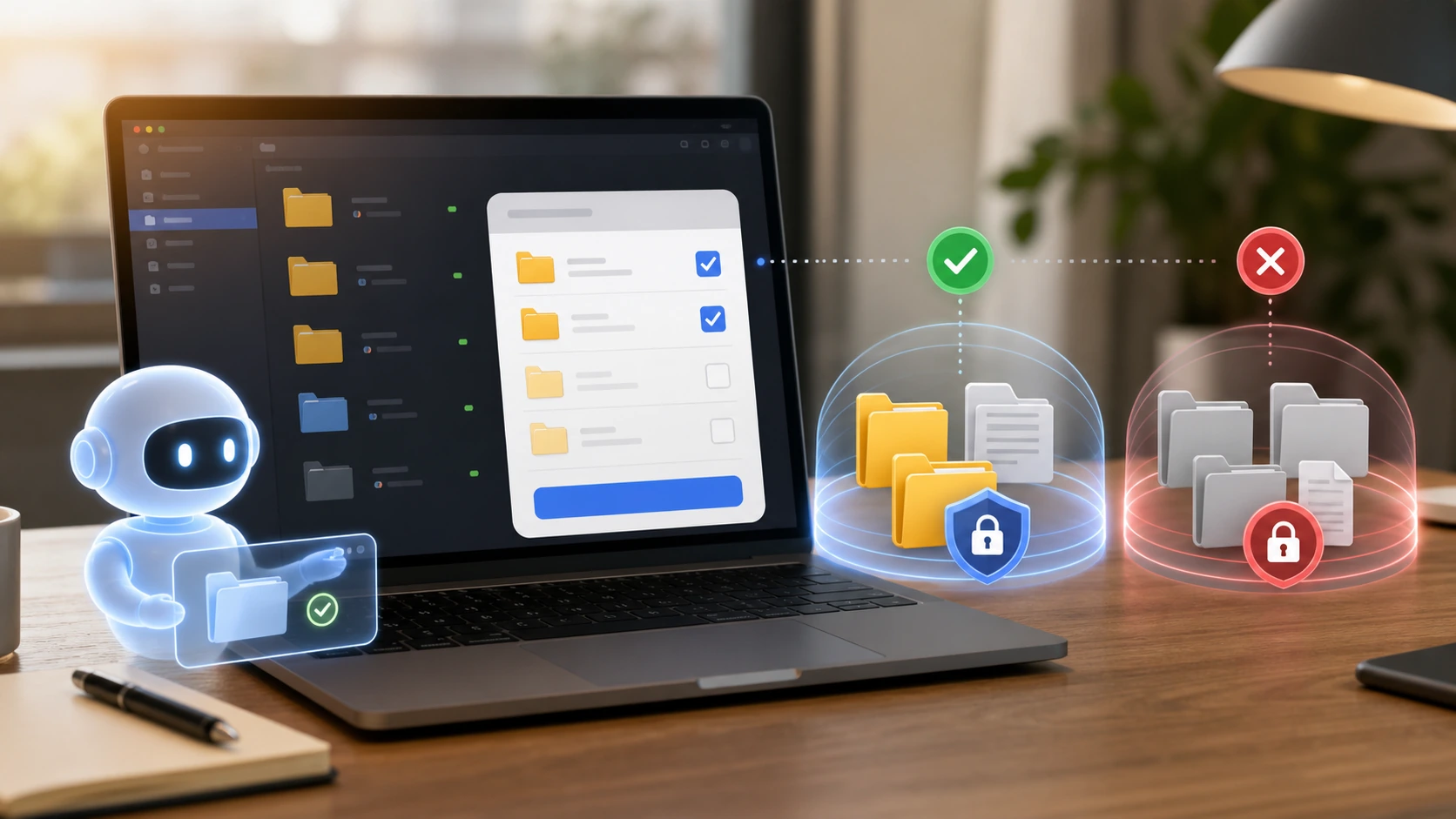
If you see "Reply Stopped" or "Selected model but not responding", check if you hit the allowlist first. OpenClaw's model whitelisting prevents models from generating normal responses, which is a protection mechanism, not a simple lag.
Official open source address: https://github.com/openclaw/openclaw.
There is also a practical judgment: as long as the task produces irreversible actions, such as sending emails, modifying files, and executing commands, it is classified as a high-risk task. High-risk tasks are more expensive and slower, rather than sacrificing tool call reliability to save model costs.