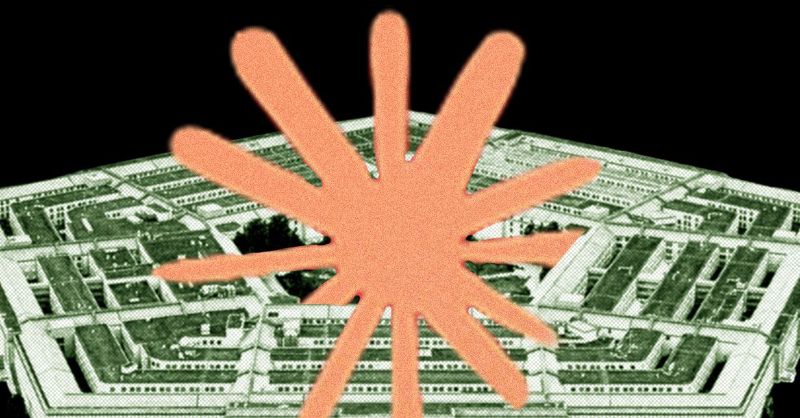
The latest focus around the U.S. defense sector's dispute with Anthropic has fallen on "model control." In response to the core question of whether Claude can be remotely shut down, Anthropic stated in court documents that it could not directly deactivate or tamper with model behavior in a military operating environment, and there was no so-called backdoor switch.
This conflict reveals key contradictions in military AI procurement: the government is concerned about the technical constraints of suppliers at critical moments, and vendors emphasize that post-deployment permissions and access boundaries are jointly controlled by customers and cloud platforms. As federal agencies demand more credibility from models, the update mechanism, audit authority, and division of responsibilities in contract clauses will become hard constraints.
For the industry, this is not just a single company event, but an institutional issue of "who holds the ultimate technical control in high-risk scenarios". In the future, when the public sector procures AI, it may require stronger localized deployment and verifiable control links.
FAQs
Q: What is the core point of the dispute?
A: The core is whether the vendor can remotely influence the deployed model in wartime.
Q: What was Anthropic's response?
A: The company says it cannot remotely shut down or temporarily rewrite Claude in military operation.
Q: Why does it affect the entire industry?
A: Government procurement standards will spill over to more high-security industry scenarios.
Q: What is the most noteworthy follow-up?
A: Court developments and changes in federal agencies' definition of supply chain risk.
Q: What should corporate customers prepare in advance?
A: Clarify deployment authority, update process, and audit mechanism to reduce control disputes.