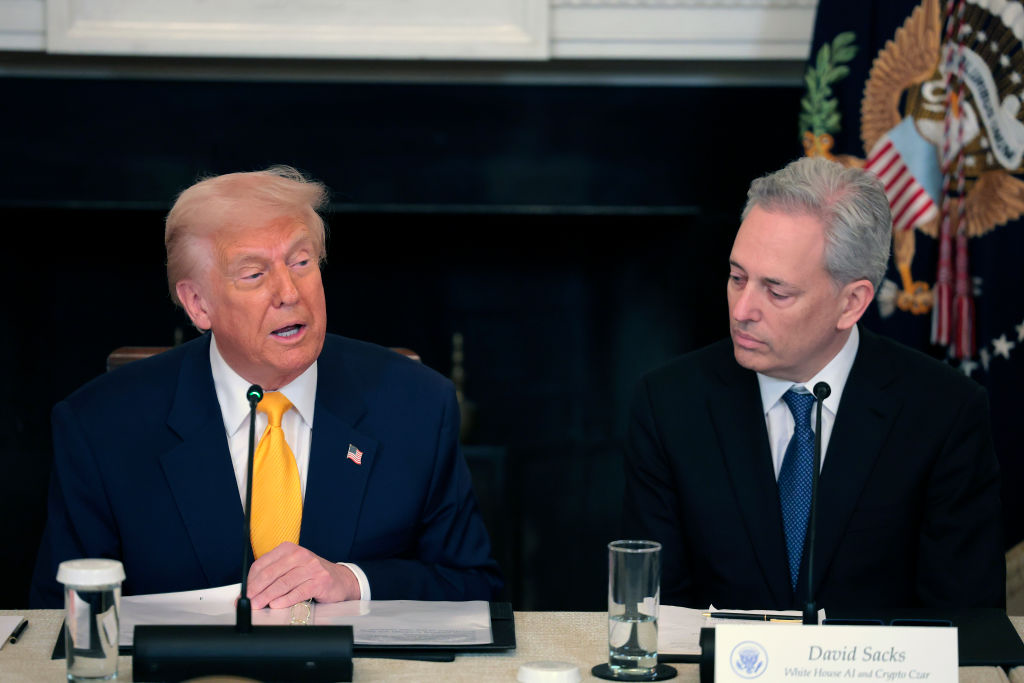
The latest AI legislative framework in the United States proposes "unified national standards and low-burden standards", the most critical of which is to weaken state-level decentralized regulation. Focusing on the two keywords "AI legislative framework" and "federal harmonized AI standards", the framework emphasizes avoiding conflicting state rules that affect industrial innovation and concentrating more governance power at the Washington level.
The framework sets out a number of objectives, but remains principled in terms of platform accountability and enforcement rules. Especially on the issue of minor safety, the text emphasizes that enterprises should reduce risks while shifting part of the responsibility to the family side, which has caused controversy over whether responsibilities are fully implemented.
For AI companies operating across states, this direction may reduce compliance fragmentation costs; But for public governance, it also means that the role of the state government as a "testing ground" will be compressed. What will really affect the industry in the future will be how this AI legislative framework is implemented in the congressional rules and law enforcement boundaries.
FAQs
Q: What are the most important changes to the framework?
A: Emphasis is placed on uniform rules at the federal level, limiting separate state-level expansion regulation.
Q: Is it already a formal law?
A: No, it is currently a policy framework, and legislation and implementation are still needed.
Q: Will the company be affected immediately?
A: The short-term impact is mainly expected management, and the medium-term depends on specific legislative provisions.
Q: Is there still room for regulation by the state government?
A: Yes, but it may be significantly narrowed in terms of AI development itself.
Q: Why is the industry so concerned?
A: Because it is related to the future logic of AI compliance cost and responsibility allocation in the United States.