Codex is stuck and not responding? Check by approval, terminal, and log check
If Codex is stuck and unresponsive, do not send the same message repeatedly. Confirm in order whethe
Notaide is a visual AI brainstorming and thought organization tool that is mainly used to turn ideas into an expandable visual canvas and help continue to diverge. It is suitable for creators, product managers, students, consultants, and people who need to organize ideas. It can organize ideas in a visual canvas, expand ideas and branches with AI suggestions, and support point-based use rather than fixed subscriptions. Pay attention when using it. Generating suggestions needs to be combined with your own judgment and screening. Creative and business decisions cannot rely solely on automatic divergence. It is suitable for starting from small projects or meeting themes. Before formal adoption, it is recommended to test once with low-risk samples and record the input materials. Output results, manual modifications and final adoption ratio, and then decide whether to put them into a fixed process.
Notaide is oriented to the clear need to turn ideas into an expandable visual canvas and help continue to emanate. It is best to prepare input materials, goals, and acceptance criteria before using it. For creators, product managers, students, consultants, and people who need to organize ideas, its role is not to replace all judgment, but to make it easier for repetitive sorting, first draft generation, information extraction, or auxiliary analysis to enter a reviewable state.
These abilities are suitable for turning ideas into an expandable visual canvas and assisting in continued divergence. If the team already has a mature process, they can put Notaide in the drafting, sorting, preview or preliminary screening stage first, rather than directly undertaking final delivery. This allows you to see the stability of the tool in real tasks, and also retains necessary manual inspections.
Notaide is suitable for creators, product managers, students, consultants and people who need to organize ideas. Such users usually already know what materials they are going to process and what results they want, and can also determine whether the output needs to be modified. If you only try occasionally, you can start with a single task; if you want the team to use it for a long time, you should add permissions, source of materials, review responsibilities, and cost caps.
Generating suggestions needs to be combined with your own judgment and screening. Creative and business decisions cannot rely solely on automatic divergence. Suitable for starting from small projects or meeting themes. When selecting such tools, you should not just look at the results of the first presentation, but also look at multiple tasks in a row. Stability, waiting time, modification costs and ease of traceability.
Three to five real but low-risk samples can be prepared, and input conditions, generated results, manual adjustment points, and final adoption can be recorded respectively. If Notaide is stable on the main task, it is suitable for putting it into a fixed process; if the results often need to be redone, it is more suitable as inspiration, first draft, or reference material.
What problem is Notaide best suited to solve?
It is best for turning ideas into an expandable visual canvas and assisting in continued divergence, especially for people who already have a clear goal but don't want to start organizing from a blank state.
Can Notaide directly replace manual judgment?
Not recommended. It can handle repetitive generation, identification, sorting, or preliminary screening tasks, but fact checks, compliance judgments, professional conclusions, and final trade-offs still require humans to complete.
What should I prepare before using Notaide?
It is recommended to prepare clear input materials, expected results and acceptance criteria. If customer data, real photos, commercial materials, medical financial information or study assignments are involved, authorization, privacy and use boundaries must also be confirmed in advance.

Color Vortex PPT is an AI PPT creation, collaboration, and sharing platform aimed at workplace reporters, education users, and team collaborators. Its value is not that it decides all the work for users at once, but provides actionable assistance around completing PPT creation, collaborative editing, and secure sharing: users can generate PPTs, collaborate on modifications, share files, and view data analysis, and then complete follow-up processing based on their own business judgment. When choosing such tools, you need to pay attention to content accuracy, copyright material, and permission settings, especially when it comes to accounts, customer information, contracts, courses, audio, video, or code output. Its visibility capabilities include AI authoring, team collaboration, secure sharing, and data analysis, making it more suitable for team PPT workflows.

Zolltarifnummer.com is an AI customs tariff number query and interpretation tool mainly for import and export operations, cross-border sellers, and customs clearance personnel. Its value is not to make all the work for the user at once, but to provide actionable assistance around assisting in finding the 11-digit customs tariff number and understanding the classification basis: users can enter product information, get tax number suggestions, view reasons and measures, and then complete the follow-up processing based on their own business judgment. When choosing such a tool, you need to pay attention to customs responsibilities, product information accuracy, and manual confirmation, especially when it comes to accounts, customer information, contracts, courses, audio, video, or code output. Its visibility capabilities include AI customs tariff code, 11-digit classification, and explanation, making it more suitable for pre-customs reference.

Znote is an executable Markdown note-taking and automation tool aimed at developers, knowledge workers, and automation enthusiasts. Its value is not to make all the work for the user at once, but to provide actionable assistance around running code, generating tasks, and automating content in Markdown notes: users can write notes, execute scripts, generate Jira tickets, charts, or email drafts, and follow up with their own business judgments. When choosing such a tool, you need to pay attention to local file permissions, code security, and output review, especially when it comes to accounts, customer profiles, contracts, courses, audio, video, or code output. Its visible capabilities include Markdown notes that run, code execution, and automation, which are better suited for technical note automation.

ZINQ is an AI Agent business process automation platform aimed at small and medium-sized enterprises, operation teams, and business automation leaders. Its value is not to make all the work for users at once, but to provide actionable assistance around building, training, and deploying AI Agents to automate support, sales, and processes: users can build agents, train knowledge, connect business processes, monitor results, and then complete follow-up processing based on their own business judgments. When choosing such tools, you need to pay attention to process boundaries, customer data, and manual takeover, especially when it comes to accounts, customer profiles, contracts, courses, audio, video, or code output. Its visibility capabilities include AI agent platform, support, sales, and workflow automation, which are better suited for standardized business process automation.

Zetane is an enterprise document intelligence and Agentic AI automation platform for enterprise operations, RFP, and technical documentation teams. Its value is not to make all the work for the user at once, but to provide actionable assistance around automating the processing of large and complex documents, RFPs, and contract materials: users can import documents, extract information, generate responses, and collaborate on reviews, and then complete the follow-up process with their own business judgment. When choosing such a tool, you need to pay attention to document permissions, fact-checking, and business responsibilities, especially when it comes to accounts, customer information, contracts, courses, audio, video, or code output, all of which should be manually reviewed. Its visibility capabilities include agentic AI, enterprise document intelligence, RFPs, and contracts, making it better suited for complex document workflows.

Zefort is an AI contract management and compliance alerting platform aimed at legal operations, procurement teams, and compliance managers. Its value is not to make all the work for the user at once, but to provide actionable assistance around centrally managing contracts, extracting clauses, and setting reminders: users can import contracts, structure key data, track obligations, remind renewals, and then complete follow-up with their own business judgment. When choosing such tools, you need to pay attention to legal responsibilities, contractual permissions, and manual review, especially when it comes to accounts, customer information, contracts, courses, audio, video, or code output. Its visibility capabilities include CLM, contract data, and compliance reminders, making it more suitable for contract operations and not a substitute for legal advice.
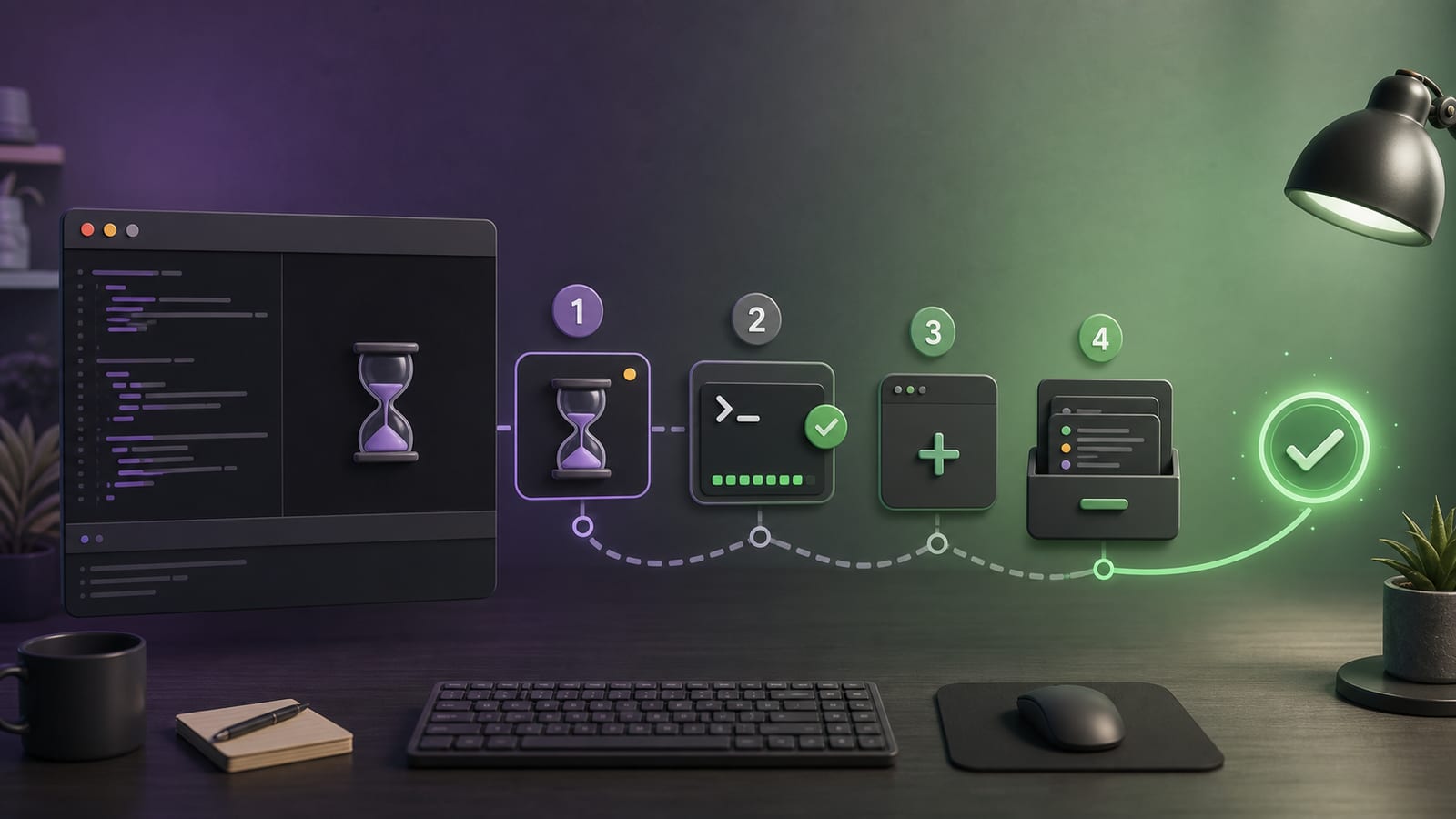
If Codex is stuck and unresponsive, do not send the same message repeatedly. Confirm in order whethe

codex exec In CI, it can analyze code without making changes; first check the sandbox: non-interacti

If Codex Skills is installed but does not trigger, first check if it is located in the scan director

Codex config.toml changes that don't take effect usually don't mean the TOML file is corrupted, but

After exiting the Codex CLI, you don't need to redescribe the entire task; just run codex resume sel

On August 3, 2026, the Qwen team released the Qwen 3.8-Max on the official Qwen blog, positioning it