
Codex is stuck and not responding? Check by approval, terminal, and log check
If Codex is stuck and unresponsive, do not send the same message repeatedly. Confirm in order whethe
Kling O1 is a toolstation centered around AI video generation and editing capabilities, emphasizing conversational editing, physically felt MVL engine, native audio, consistent subjects, and cinematic picture control. It's suitable for creators and teams looking to modify videos, adjust footage, or maintain character continuity through natural language. Before use, test whether the dialogue editor can accurately understand the modification intention, check the subject consistency of the generated clip, audio and video synchronization, authorization boundaries, and platform publishing requirements to avoid misusing the synthetic content as a real image. Before use, it is recommended to conduct a small-scale test with real materials, focusing on observing the output quality, review cost, payment boundaries, data permissions, and whether the team can establish a stable manual review process.
Kling O1 features a combination of video generation and conversational modification, allowing users to adjust images, movements, and subjects in a more communicative way.
Ideal for video creators, advertising teams, character content operations, and visual teams that need to revise repeatedly. Scenarios that require legal evidence, news documents, or true identity expressions are not suitable for synthetic video.
Conversational editing can misinterpret instructions, and subject consistency needs to be checked paragraph-by-paragraph. When publishing publicly, attention should be paid to synthetic logos, portrait authorization, and material sources.
You can use a short shot to do multiple rounds of revision testing to see if it understands the requirements of "keeping the subject, only changing the background or action", and then judge whether it is suitable for the formal process.
Before official use, it is recommended to do a small-scale test with a set of real materials, recording inputs, outputs, manual modifications, and final adoption results. This allows you to see its actual performance in terms of quality, cost, speed and review cost, and also facilitates the team to form a consistent usage standard in the future.
In a team or public release scenario, acceptance criteria should also be agreed upon in advance, such as which results can go directly to the next step, which must be reviewed by the person in charge, which assets cannot be uploaded, and how long the generated records need to be retained. This inspection process helps teams put AI tools into traceable processes, reducing rework due to inconsistent result provenance, authorization, or quality judgments.
If the tool handles customer data, personal information, commercial materials, financial data, medical-legal content, or personas, privacy, copyright, portrait licensing, and platform rules need to be included in the pre-use checklist. When publishing to the public, it is recommended to keep manual modification records and final confirmers to avoid mistaking experimental outputs for reviewed content.
What is Kling O1's conversational editing good for? **
It's suitable for continuous video modification through natural language rather than rewriting the full prompt every time.
Is a consistent subject necessarily stable?
Not necessarily, the character's face, clothing, and movements still need to be checked paragraph by section.
What scenarios are not suitable for it? **
News documentaries, identification, evidentiary materials, and content that can easily mislead the public are not suitable.

Wondershare Skyscreen Creation Plaza is a Wondershare Skylight AI audio and video multimedia generation platform primarily aimed at video creators, marketing teams, and multimedia content producers. Its value is not that it decides all the work for users at once, but provides actionable assistance around generating and understanding multi-modal materials such as video, audio, and graphics: users can input ideas, generate video or audio, process graphic materials and edit outputs, and then complete the follow-up processing based on their own business judgments. When choosing such a tool, you need to pay attention to material copyright, portrait and content moderation, especially when it comes to accounts, customer profiles, contracts, courses, audio, video, or code output. Its visibility capabilities include cross-modal video generation, audio generation, and graphic generation, making it more suitable for multimedia creative production.

Zubtitle is an AI video captioning and online editing tool aimed at short video creators, social media operations, and course content teams. Its value is not to make all the work for the user at once, but to provide actionable assistance around adding subtitles to videos and quickly editing social media versions: users can upload videos, generate subtitles, adjust styles and export the film, and then complete the follow-up processing based on their own business judgment. When choosing such tools, you need to pay attention to subtitle proofreading, video copyright, and platform specifications, especially when it comes to accounts, customer profiles, contracts, courses, audio, video, or code output. Its visibility capabilities include AI subtitles, online video editing, and social media video, making it more suitable for short video subtitling.

Zeemo is an AI video captioning, translation, and short-form video editing tool aimed at short-form video creators, social media operations, and branded content teams. Its value is not to decide all the work for users at once, but to provide actionable assistance around automatically generating subtitles, translating subtitles, and editing social media videos: users can upload videos, generate subtitles, translate text and export into videos, and then complete the follow-up processing based on their own business judgment. When choosing such a tool, you need to pay attention to subtitle proofreading, video copyright, and brand style, especially when it comes to accounts, customer profiles, contracts, courses, audio, video, or code output. Its visibility capabilities include AI captions, subtitle translation, and social video editing, making it more suitable for subtitling and localizing short videos before publishing.

ZapCap is an AI video captioning, B-roll, and transition generator tool aimed at short-form video creators, social media editors, and branded content teams for automatically generating captions, selecting B-rolls, and adding transitions. It's suitable for people who already have clear tasks, assets, or business processes, centralizing AI captions, B-rolls, and automated transitions into easier workflows. When using it, you need to focus on subtitle proofreading, material licensing and style consistency, especially when it comes to customer information, learning content, audio and video materials, business data or public release, you should confirm authorization and manual review first. Overall, ZapCap is suitable as an aid for automatically generating captions, selecting B-rolls, and adding transitions, rather than replacing the final judgment of professionals.

Yolly AI is an AI video and image generation platform aimed at short-form video creators, designers, and visual content teams for generating 4K videos, images, and visual assets with sound. It's suitable for those who already have clear tasks, assets, or business processes, bringing together Kling, AI video, AI image, and 4K generation into a more performable workflow. When using copyrighted materials, portraits and output quality, especially when it involves customer information, learning content, audio and video materials, business data or public release, authorization and manual review should be confirmed first. Overall, Yolly AI is suitable as an auxiliary tool for generating 4K videos, images, and visual assets with sound, rather than a substitute for the final judgment of professionals.
X-Pilot is a document-to-AI instructional video course tool aimed at course creators, training teams, and teachers to convert PDFs, slides, and instructional materials into accurate video lessons. It's for those who already have clear tasks, assets, or business processes that bring together PDF to video courses, editable animation layers, and teaching scenarios into easier workflows. When using it, it is necessary to pay attention to teaching accuracy, copyright materials and course structure, especially when it involves customer information, learning content, audio and video materials, business data or public release, authorization and manual review should be confirmed first. Overall, X-Pilot is a good tool for converting PDFs, slides, and instructional materials into accurate video lessons, rather than a substitute for the final judgment of professionals.
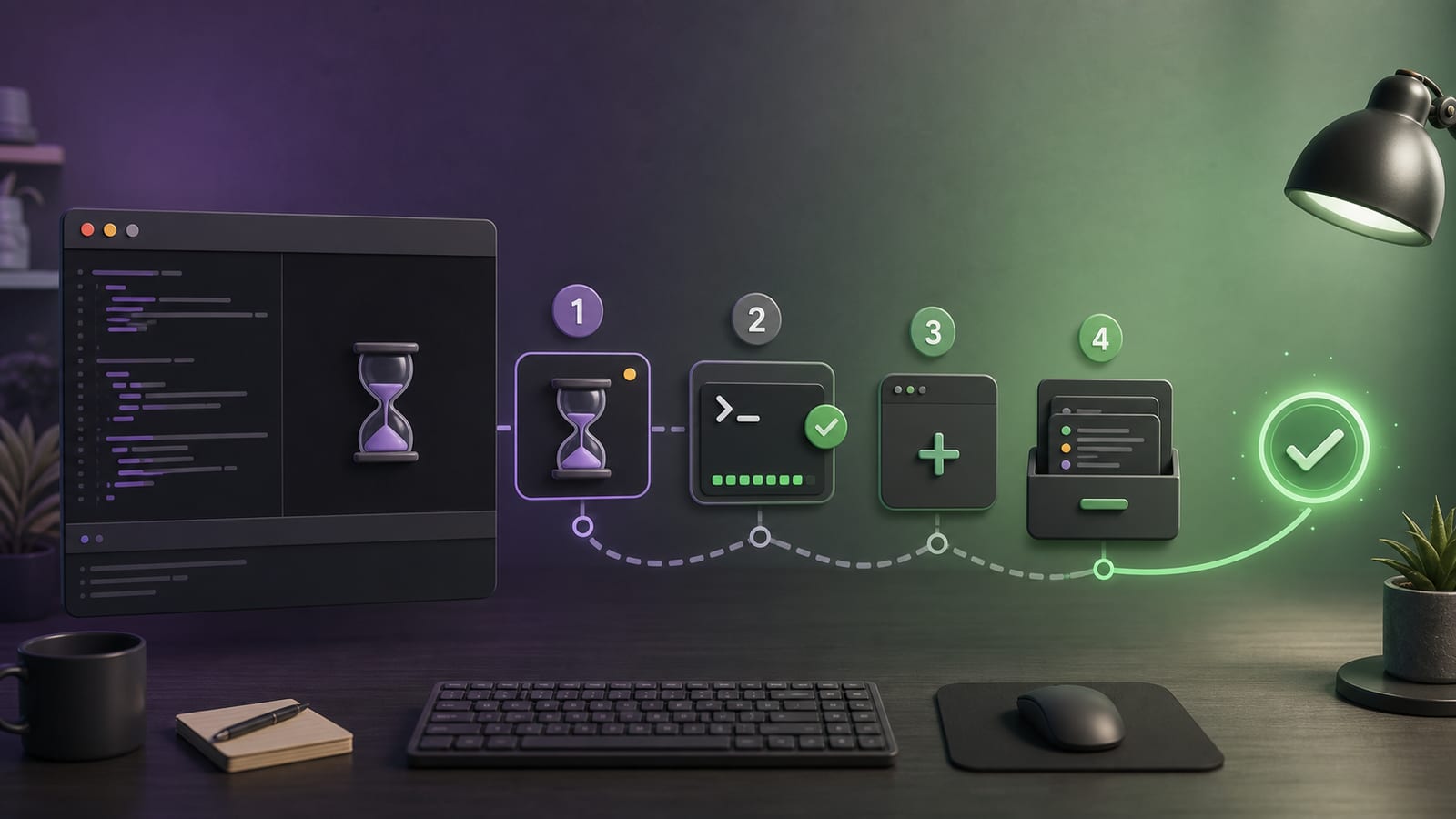
If Codex is stuck and unresponsive, do not send the same message repeatedly. Confirm in order whethe

codex exec In CI, it can analyze code without making changes; first check the sandbox: non-interacti

If Codex Skills is installed but does not trigger, first check if it is located in the scan director

Codex config.toml changes that don't take effect usually don't mean the TOML file is corrupted, but

After exiting the Codex CLI, you don't need to redescribe the entire task; just run codex resume sel

On August 3, 2026, the Qwen team released the Qwen 3.8-Max on the official Qwen blog, positioning it