
Codex is stuck and not responding? Check by approval, terminal, and log check
If Codex is stuck and unresponsive, do not send the same message repeatedly. Confirm in order whethe
iTraveledThere is an AI travel photography generator that can generate 8K travel portraits in different destination styles based on user selfies. It's suitable for personal headshots, social content, travel-themed creation, and visual concept experimentation to create travel-like images without actually traveling. It is more suitable for handling portrait materials of oneself or authorization, and the generated results need to confirm portrait authorization, scene authenticity labeling, and platform rules before public publication, so as to avoid making viewers mistakenly think that the photos are from real travel experiences. If you want to include it in a long-term process, it is recommended to use a small task to verify the output quality, quota consumption, authorization boundaries, and manual modification costs before deciding whether to expand the scope of use. It's more suitable for users with clear goals, input materials, and boundaries, and small-scale testing can help you determine whether the results are worth going into the formal process faster.
iTraveledThere focuses on the visual generation of travel portraits: users provide selfies, and the tool puts people into different travel scenes and photography styles, making them suitable for creative photos and social materials.
Suitable for individual creators, social media users, avatar design needs, and those who want to create travel-like portraits. Commercials or real travel promotions require stricter creative descriptions.
Portrait generation involves portrait rights and authenticity expression. Only upload selfies or authorized selfies, and avoid packaging AI-generated photos as real travel photos when publishing publicly.
If you want to include it in a long-term process, it is recommended to use a small task to verify the output quality, quota consumption, authorization boundaries, and manual modification costs before deciding whether to expand the scope of use. You can also create a checklist for whether the input material comes from a reliable source, whether the output needs to be supplemented with facts, whether it contains personal information, customer data, or authorized material, whether it needs to be reviewed by colleagues, and whether the final result complies with platform or industry rules. This allows AI output to be put into a controlled process, rather than directly using unconfirmed content for formal scenarios.
In the team scenario, it is also necessary to determine in advance who is responsible for preparing inputs, who is responsible for reviewing the results, what content can go directly to the next step, and what content must be returned to manual judgment. When it comes to health, job search, investment, customer communication, copyright material, or account automation, it is recommended to keep original materials and modification records to facilitate subsequent traceability, interpretation of decisions, and risk control.
Does iTraveledThere require real travel photos?
No, its core is to generate travel-style portraits with selfies, but input portrait quality affects the results.
Are generated diagrams suitable for commercial use? **
Before commercial use, confirm portrait authorization, permission to generate images, and publish scenes, especially for advertising and tourism promotion.
Which photo inputs are better? **
Clear, face-to-face, well-lit and unobstructed selfies are easier to get natural-looking results.

Midjourney is an AI image generation platform developed by Midjourney Inc., an independent research laboratory in the United States, that allows users to generate high-quality images from natural language prompt words. Users can use Discord or the web version to enter descriptive text to quickly generate a variety of image works. The platform provides a variety of model versions and parameter settings to meet the needs of different styles and precision, and is widely used in art creation, product design, advertising and marketing and other fields.

Fotor AI is a multi-functional creative platform that integrates AI image generation, intelligent retouching, and graphic design, and is suitable for a wide range of users, including content creators, designers, and marketers. Users can quickly generate high-quality images in a variety of styles, including illustrations, 3D renderings, cartoons, oil paintings, etc., by entering text or uploading images, to meet a variety of application scenarios such as social media content, brand visuals, and commercial promotion. The platform also provides practical tools such as AI avatar generation, image restoration, background removal, photo coloring, etc., to improve creative efficiency. Accessible on the web and mobile, Fotor is user-friendly and easy to use, making it easy for users to realize their creative ideas.

Ideogram is an AI image generation platform founded by former Google Brain researchers that focuses on accurately incorporating text into images, solving the problem of AI-generated images that are difficult to read Chinese characters. The platform supports a variety of style tags, such as "Typography", "Poster", "3D Render", etc., and users can generate images containing clear text through natural language prompts, which is suitable for poster design, brand identity, social media content and other scenarios. Ideogram is available on the web and for iOS, with batch generation and image editing capabilities to help users efficiently create high-quality visual content.

NightCafe is a leading AI art generation platform that allows users to quickly create high-definition art images by entering text prompts. The platform integrates Stable Diffusion, DALL· E and other image models, covering dreamy, realistic, abstract and other styles, suitable for illustration, cover design, social content production and other application scenarios. Users can customize the canvas size, art style, and number of iterations, and create on the go via web or mobile. NightCafe also has a work community and creative challenges to help designers output inspiration and fan interaction, effectively improving the visual expression of the brand.

Stable Diffusion is an open-source text-to-image generation model developed by Stability AI that enables users to generate high-quality images through natural language prompts. The model uses diffusion generation technology, which can generate realistic images based on the input text description, and is widely used in art creation, product design, advertising and marketing, and other fields. Stable Diffusion supports on-premise and cloud-based access, and provides APIs for developers to integrate into custom applications. The latest version, Stable Diffusion 3.5, offers significant improvements in image quality and generation speed, making it suitable for professional scenarios that require high-resolution image generation.

DALL· E is an AI image generation model developed by OpenAI that supports users to generate high-quality images through natural language prompt words. Latest versionDALL· The E 3 is integrated into ChatGPT to understand complex prompts more accurately and generate nuanced images. The model supports functions such as image extension (Outpainting) and editing (Inpainting), which is suitable for art creation, product design, advertising and marketing, and other fields. Users can access DALL· E service to meet the diverse needs of image generation.
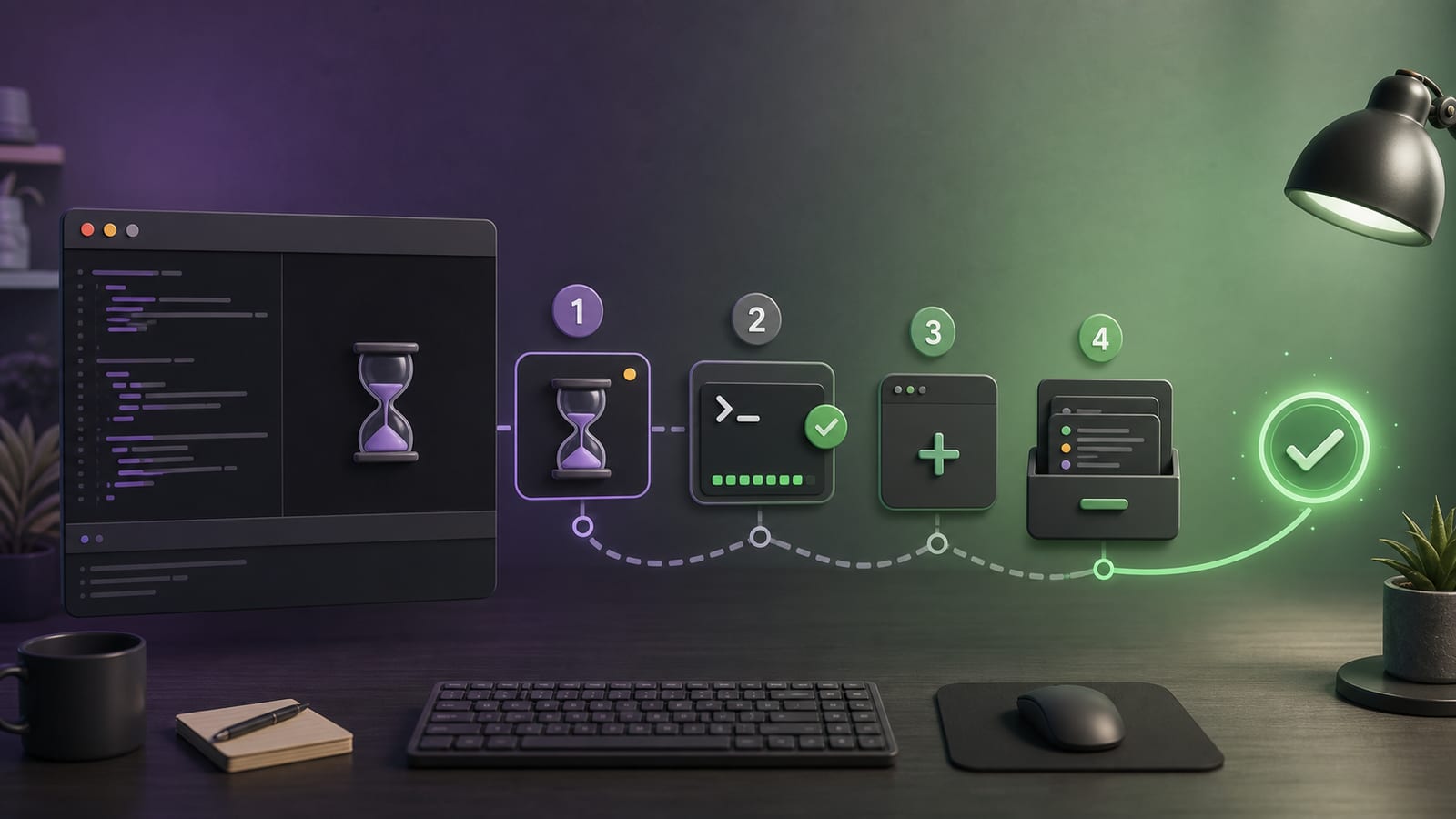
If Codex is stuck and unresponsive, do not send the same message repeatedly. Confirm in order whethe

codex exec In CI, it can analyze code without making changes; first check the sandbox: non-interacti
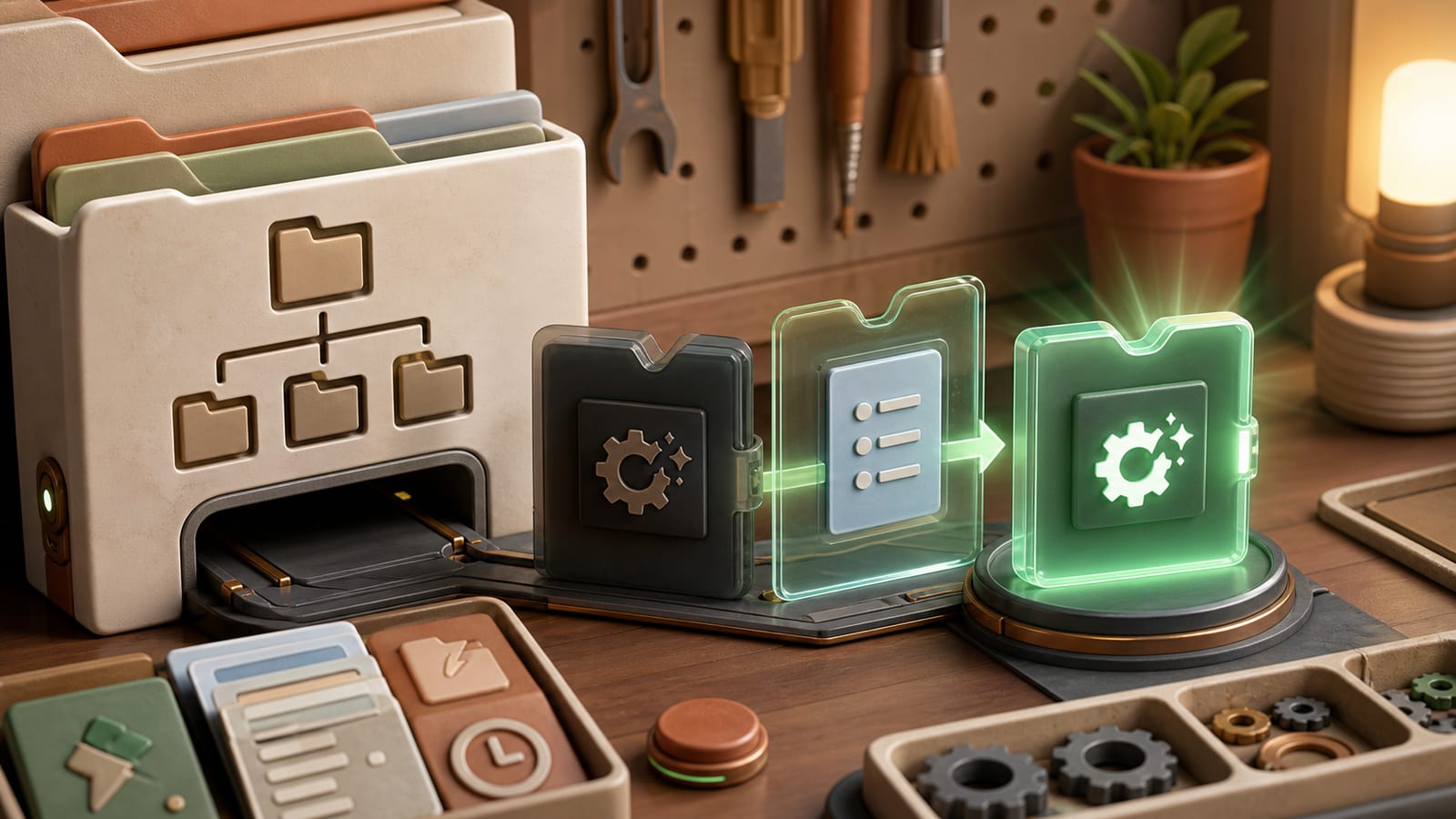
If Codex Skills is installed but does not trigger, first check if it is located in the scan director
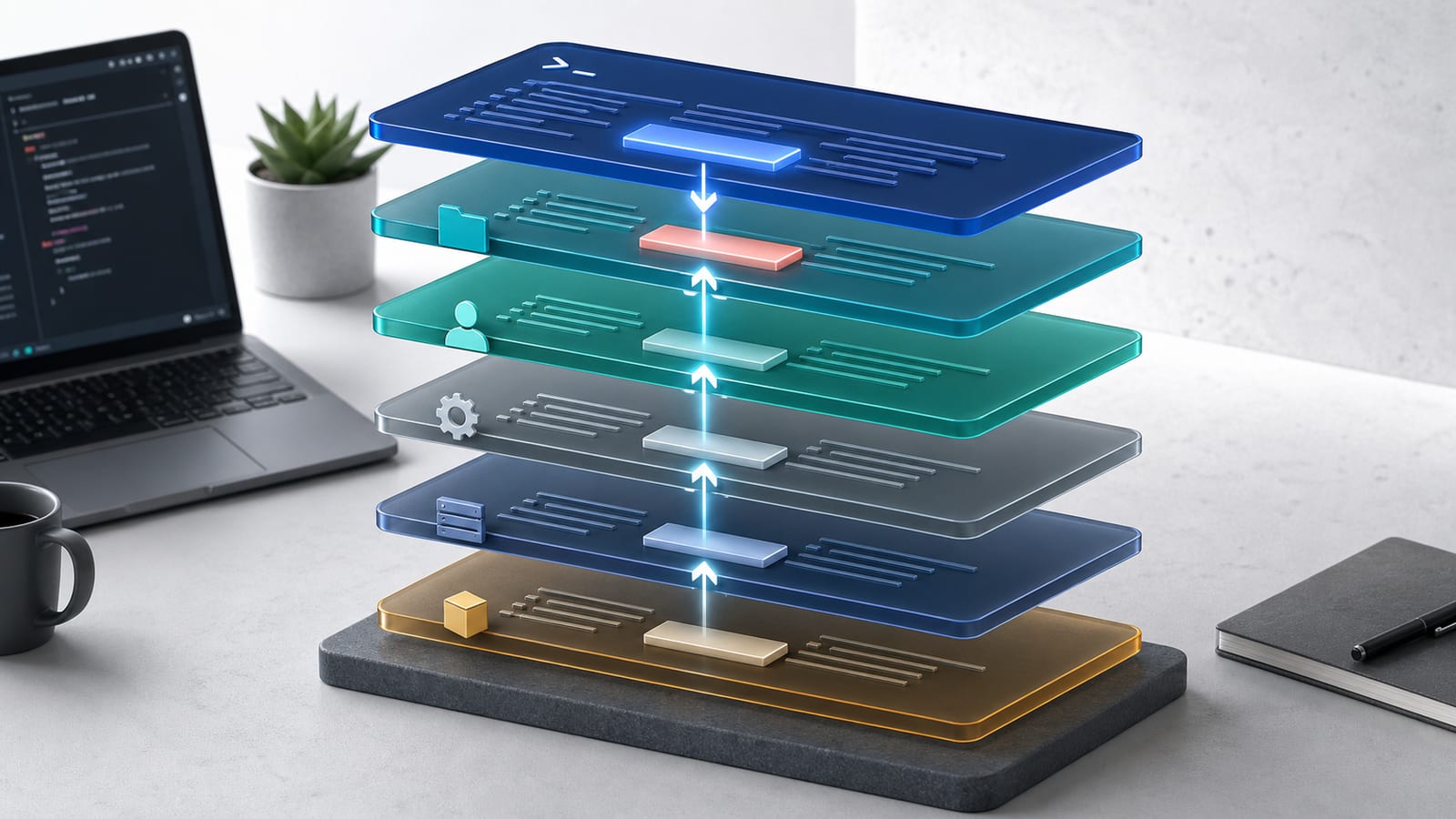
Codex config.toml changes that don't take effect usually don't mean the TOML file is corrupted, but
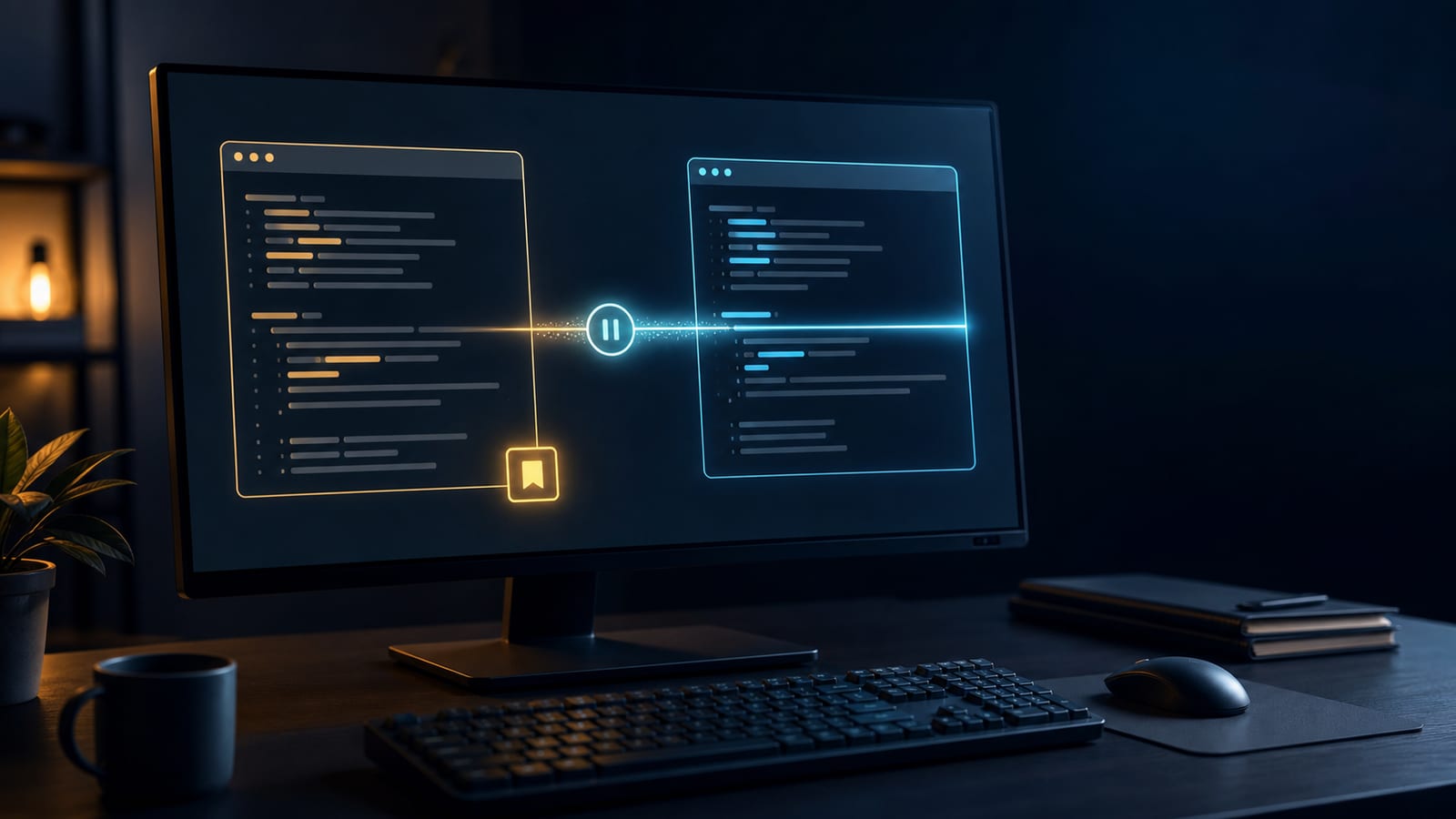
After exiting the Codex CLI, you don't need to redescribe the entire task; just run codex resume sel

On August 3, 2026, the Qwen team released the Qwen 3.8-Max on the official Qwen blog, positioning it