
Codex is stuck and not responding? Check by approval, terminal, and log check
If Codex is stuck and unresponsive, do not send the same message repeatedly. Confirm in order whethe
Composer is a trading tool for investment and quantitative strategy users. The homepage of the official website emphasizes that users can use AI and codeless editors to build, backtest and run trading algorithms. The focus is not on information reading, but on strategy construction and execution. It makes the policy-building process that originally required writing code into a more easy-to-use interface, making it more suitable for people who want to try quantitative ideas but don't want to start with program development. For people who want to make investment ideas verifiable rules, Composer's value lies in lowering the threshold for strategic experimentation. Judging from the information that can be confirmed on the official website, its product boundaries and target tasks are relatively clear, making it more suitable for people who already have corresponding workflows or usage scenarios to start directly, rather than treating it as a universal tool that can do everything.
Many people have trading ideas but are stuck with not knowing how to write strategy code. Composer's idea is to make strategy combination, backtesting and execution into a more visual process, so that more people can put their ideas on rules. This product path is also easier to start for people who want to verify logic before deciding whether to continue investing.
Composer is suitable for doing investment strategy experiments, regular trading, strategy backtesting and introduction to code-less quantification. Very attractive to people who want to test ideas.
Suitable for quantitative novices, individual investors, strategy research enthusiasts and those who want to manage investments with rules. This is especially suitable for people who can't write code but want to make strategies.
No code does not mean no risk. Backtest results, real trading slips and changes in the market environment will all affect results, and no strategy can guarantee returns.
When included, Composer should be written as a code-less trading strategy construction tool, focusing on AI, backtesting and execution, and not written as a general financial information station.
If you have repeatedly manually organized information, processed feedback, built processes, or produced output in this scenario, this type of tool is usually worth trying out first, because it can compress the most repetitive steps first; if your needs are only occasionally and temporarily There is no fixed workflow, or if you are not sure whether the input quality is stable, it will be safer to use the free quotas and sample pages provided by the official website to conduct small-scale verification first.
Suitable, the official website itself regards the construction of code-less strategies as its core selling point.
No, it also emphasizes policy execution and actual use processes.
No, it just helps you build and verify strategies, investment risks still exist.

ToolSpend is an AI workflow tool for teams that need to create, organize, convert, or review task-specific material before final use. It should be used with clear source material, a defined output goal, and human review for accuracy, rights, privacy, and publishing quality.

TickerTrends is an AI tool for users who need a clearer way to handle focused digital work. It can support creation, automation, analysis, learning, media production, development, research, customer operations, or document workflows depending on the product scope. Start with a small low-risk task, compare the result with your own standards, and keep human review for facts, permissions, privacy, brand voice, safety, and final delivery.

TheAnalystAI is an AI tool for users who need a clearer way to handle focused digital work. It can support creation, automation, analysis, learning, media production, development, research, customer operations, or document workflows depending on the product scope. Start with a small low-risk task, compare the result with your own standards, and keep human review for facts, permissions, privacy, brand voice, safety, and final delivery.

Tendi is an AI tool for users who need a clearer way to handle focused digital work. It can support creation, automation, analysis, learning, media production, development, research, customer operations, or document workflows depending on the product scope. Start with a small low-risk task, compare the result with your own standards, and keep human review for facts, permissions, privacy, brand voice, safety, and final delivery.

Tabby is a practical AI tool for teams and individual users who need a clearer way to handle focused digital tasks. It can support content work, document handling, automation, learning, communication, media production, research, or customer workflows depending on the product scope. Users should start with a small low-risk task, compare the output with their own standards, and keep human review for facts, permissions, privacy, brand voice, and final delivery.

Syft Analytics helps users turn clear source material into editable results for content, media, data, learning, or operational workflows. It is best used when the goal, input, output format, and review standard are clear. Users should test it with a low-risk task first and keep human review for customer data, student work, financial information, portraits, production code, or public content.
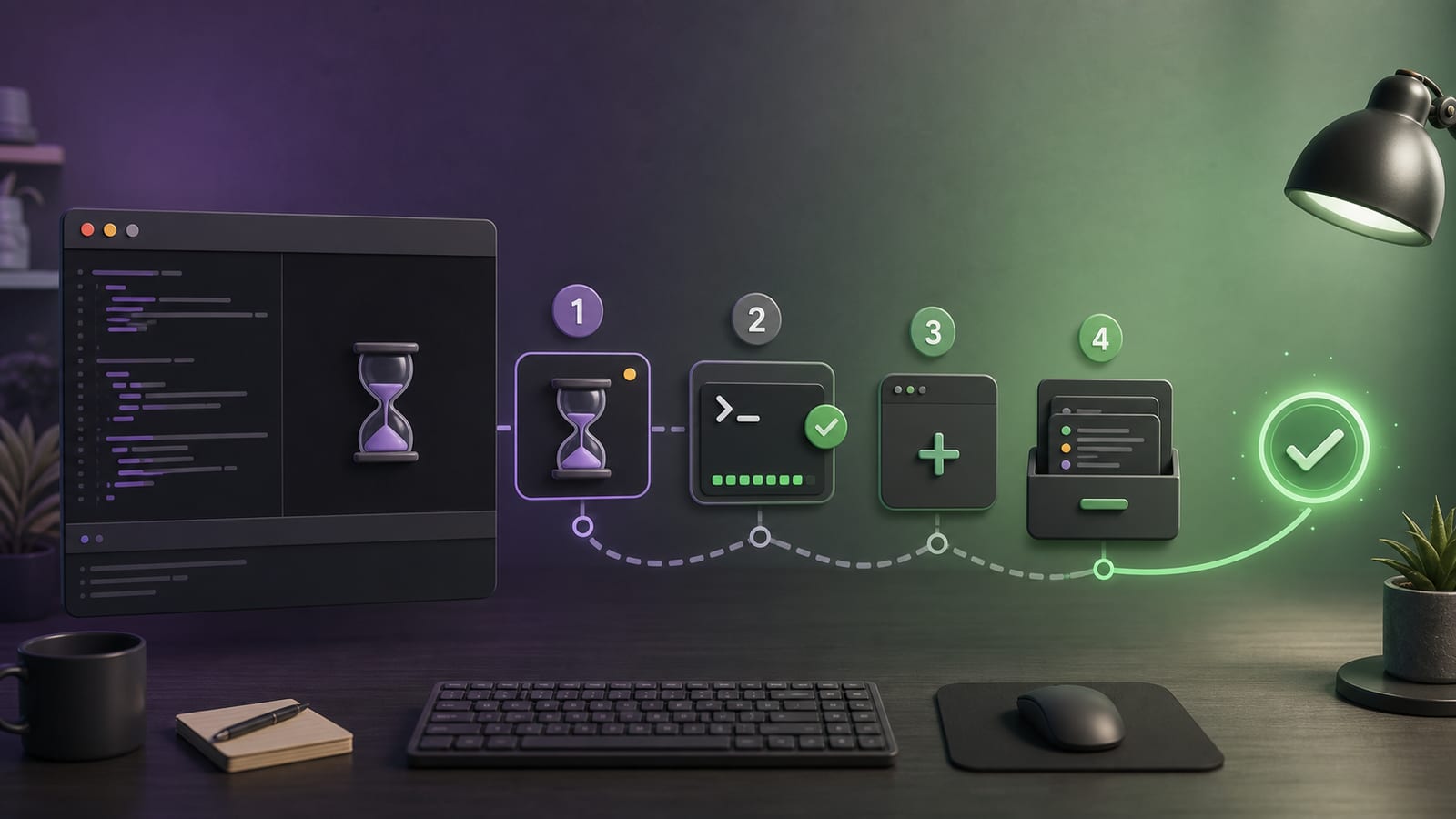
If Codex is stuck and unresponsive, do not send the same message repeatedly. Confirm in order whethe

codex exec In CI, it can analyze code without making changes; first check the sandbox: non-interacti

If Codex Skills is installed but does not trigger, first check if it is located in the scan director

Codex config.toml changes that don't take effect usually don't mean the TOML file is corrupted, but

After exiting the Codex CLI, you don't need to redescribe the entire task; just run codex resume sel

On August 3, 2026, the Qwen team released the Qwen 3.8-Max on the official Qwen blog, positioning it