1. Product positioning and target users
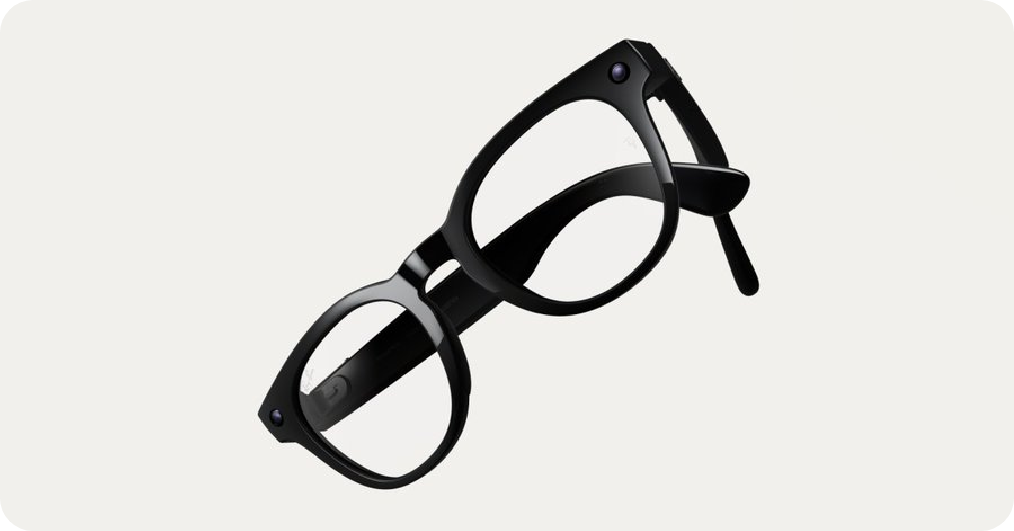
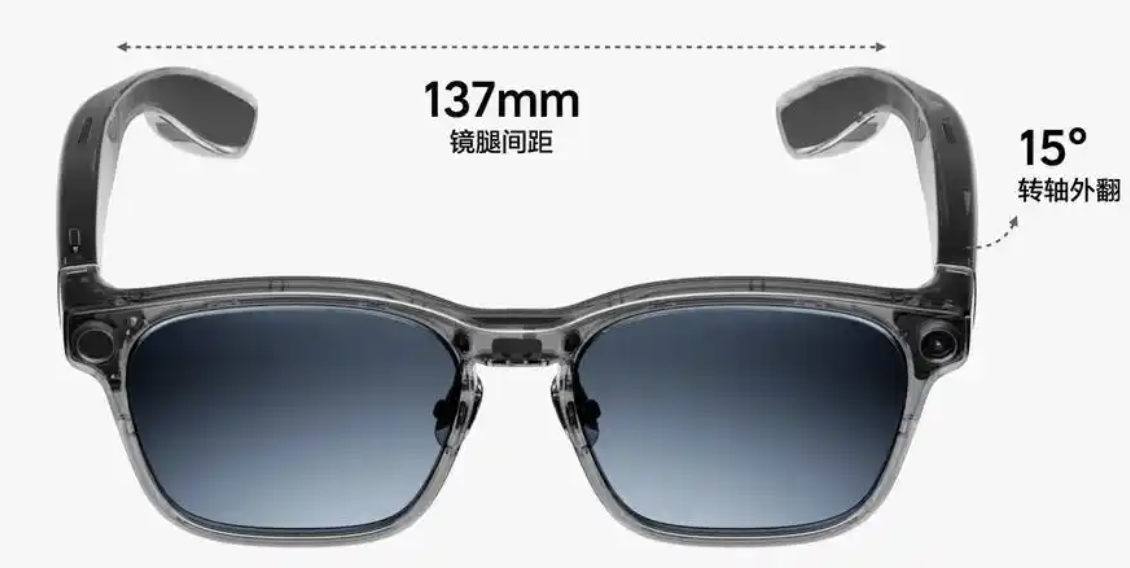
Ideal Livis is the first AI smart glasses released by Li Auto, which is clearly aimed at ideal car owners and heavy mobile device users. It is more like a "portable AI terminal" and a "car extension screen", which assumes roles such as information prompts, content viewing, and voice assistant entrances in driving, commuting, office, and home scenarios. For users who have already used the ideal model, it is expected to form a complete ecology with car machines and mobile phones.
2. Core parameters and wearing experience
Livis weighs 36 grams, which belongs to the category of lightweight smart glasses, and the pressure on the bridge of the nose and ears will be relatively small when worn for a long time, making it more suitable for all-weather wear. The official battery life is 18.8 hours, which means that there is no need to deliberately charge it all day every day, and it is basically enough for short-distance business trips or commuting scenarios. The glasses case supports wireless charging while retaining the Type-C interface, which is very friendly to users who are accustomed to the unified charging cable of mobile phones and headphones, and is also convenient for replenishing power in the car or office.
3. Price, subsidies and purchase rhythm suggestions
Theofficial starting price of Livis is 1999 yuan, which is in the upper mid-range range of current smart glasses products. Orders placed before December 31 can enjoy a 15% government subsidy, and the price after the subsidy starts from 1,699 yuan, further lowering the threshold for ideal car owners. For people who have already used the ideal car machine, often drive for a long time, or need to work on the go, they can consider starting during the subsidy period. If you only use it occasionally, or if you have not yet formed an ideal ecosystem, you can observe the subsequent actual experience, application ecology and software upgrade rhythm before deciding whether to purchase it.
4. Q&A
Q1: What is more ideal Livis than regular sunglasses or blue light blocking glasses?
A: Ordinary glasses only provide optical protection or power correction, but Livis adds display and AI capabilities on this basis, which can provide information reminders, navigation assistance, media content viewing, and interact with the system through voice or gestures, closer to a wearable small smart terminal.
Q2: Will 36 grams still be too heavy and uncomfortable to wear?
A: Traditional lightweight frames typically range from 20 to 30 grams, while Livis is controlled at 36 grams, which is relatively restrained for a smart glasses with a built-in battery and electronic components. Most users will feel a sense of pressure similar to that of slightly thicker glasses when wearing them on a daily basis, but people with sensitive nose bridges may still need to adapt to the nose pads and wearing angle.
Q3: What does 18.8 hours of battery life mean in practical use?
A: The official battery life is usually measured under mixed working conditions, and even if there are frequent notifications, voice and moderate content viewing in daily use, there is no big problem with charging once a day. Combined with the glasses case with wireless charging function, you can develop the habit of "charging in the box at night" and "charging in the car" to avoid battery anxiety as much as possible.
Q4: Does it make sense to buy a Livis if not the ideal car owner?
A: From the perspective of parameters, Livis itself is a complete smart glasses, which is also valuable for users who often need to work on the go, brush content, and interact with voice. But its best experience is likely to be bound to the ideal car machine and service, if there is no car replacement or car purchase plan for the time being, you can pay attention to whether to support more open ecology in the future before deciding.