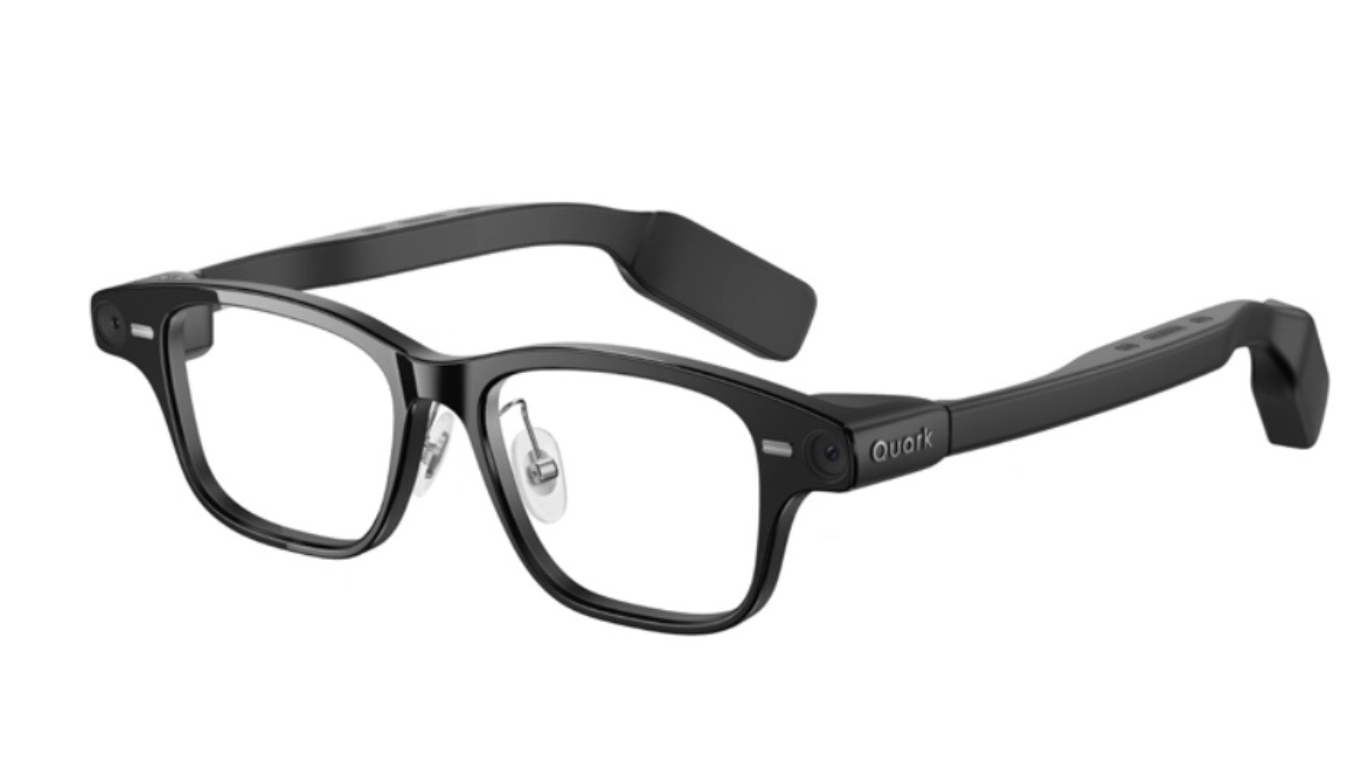
1. Product positioning and version
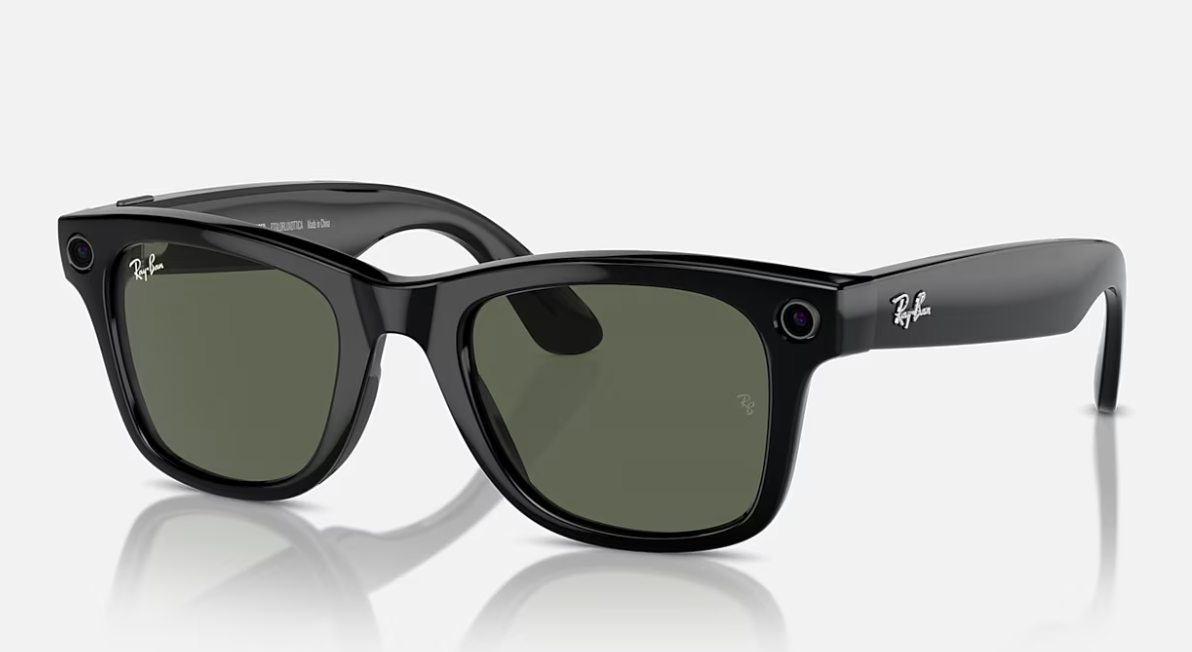
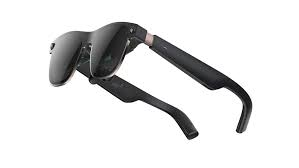
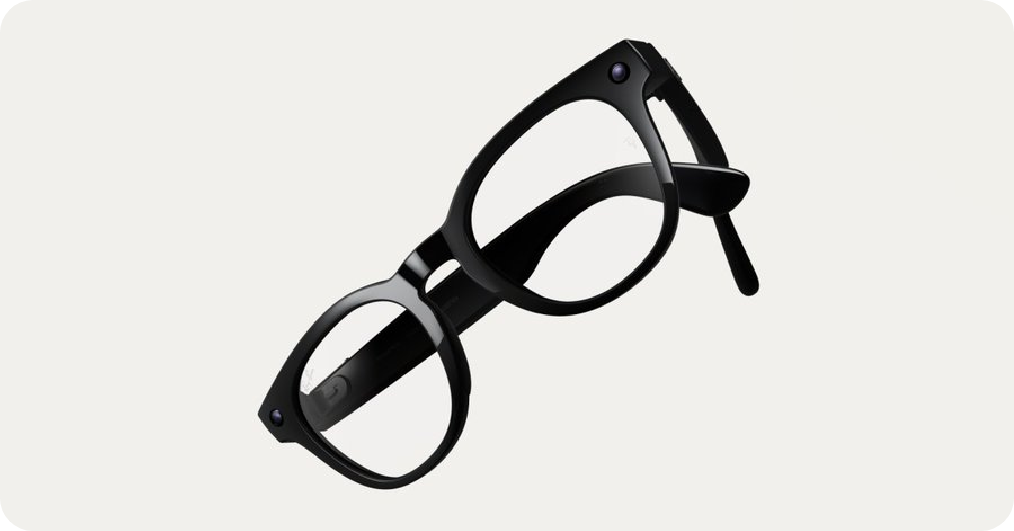
Quark AI glasses are Alibaba's first self-developed smart glasses, focusing on "portable super AI assistant". The first release is divided into two series, S1 and G1, with a total of six items: S1 with near-eye display, which is more productive and heavy-duty; The G1 cancels the display, retains shooting and audio, and is more stylish and lightweight. The price range is around 2000-4000 yuan, and the target users are high-frequency travelers, content creators and digital gamers who are willing to try their out.
2. Core hardware and wearing experience
The S1 adopts a dual-optical machine dual-eye waveguide display, and the brightness and clarity are benchmarked against the current mainstream level, which is suitable for navigation, teleprompting and information prompts. The whole series is equipped with Qualcomm AR1 plus Hengxuan BES2800 dual chip, which supports 3K video recording, super night scene and ultra-fast capture, which is more suitable for first-person recording life. The temples have built-in hot-swappable batteries, and the battery swap compartment can achieve "leg swap battery life", which is officially used for about 7 hours, solving the general battery life anxiety of smart glasses. In appearance, it is as close to ordinary frames as possible, which can support myopia customization and is more friendly to long-term wear.
3. AI capabilities and ecological scenarios
The core selling point is access to Alibaba's Qianwen large model and Quark AI capabilities, which support asking when you see it, taking photos to recognize objects, real-time translation, summarizing key points, etc. Relying on the Alibaba ecosystem, the glasses can directly call up AutoNavi near-eye navigation, Alipay payment, Taobao search for the same style, and Fliggy itinerary reminders, which are all things that can be done on mobile phones but are more convenient to wear on the face. For users, it is more like a combination of "headphones with display + chest camera + AI assistant" rather than a toy just for watching short videos.
4. Applicable people and purchase suggestions
If you need high-frequency navigation, speech teleprompting, and shooting first-view videos casually, S1 is more suitable; Just want to listen to songs, answer the phone, shoot occasionally, and have a limited budget to watch G1. Before placing an order, you should think about two points: first, whether you can accept its strong dependence on the Internet and Alibaba accounts; The second is whether you can respect the privacy of others in daily use, such as clearly informing that you are recording and avoiding starting shooting in sensitive places.
Q&A
Q1: What are the core differences between Quark AI glasses and smart glasses such as Ray-Ban and Mijia?
A: The hardware level is in one echelon, but Quark emphasizes the in-depth connection with the Alibaba ecosystem, such as near-eye navigation, payment, online shopping, itinerary reminders, etc. If you use Alipay, AutoNavi, and Taobao heavily, its overall experience will be smoother.
Q2: What about the actual battery life and heating?
A: Under moderate intensity use, a battery can work for half a day without much problem, and long-term recording or highlighting will significantly accelerate the power loss. The advantage is that it supports hot-swappable battery swapping, so you don't have to wait for charging, you just need to purchase additional batteries and battery swap compartments.
Q3: How should privacy risks be controlled within an acceptable range?
A: It is recommended to only use it publicly in public places and workplaces, and take the initiative to remove or turn off the camera when entering conference rooms, classrooms, toilets and other scenes; Greet before recording people and explain that they are filming; Also, turn off unnecessary cloud backups and automatic uploads in the system settings.
Q4: Is it suitable for ordinary office parties and students to buy now?
A: If you often go out to run customers, do roadshows, shoot vlogs, and can quickly use navigation, teleprompter, and first-person camera shooting, you can consider it as a productivity tool; If it is more indoor learning and office, it is still "icing on the cake" at present, so it is better to experience offline first before deciding.