I. Basic Information
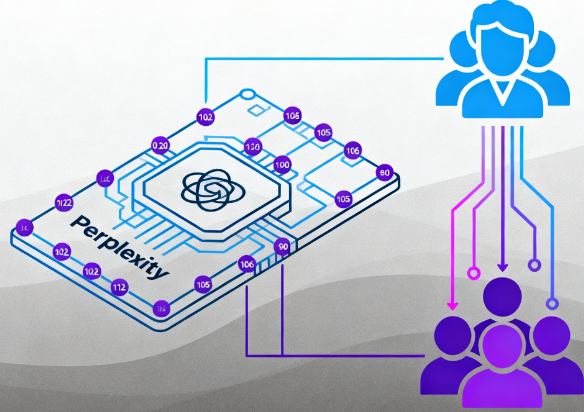
Perplexity is an AI-powered answer engine for the public and businesses, primarily focused on providing real-time, cited answers through enhanced search generation. Its capabilities encompass conversational search, guided research workflows for Pro Search and Deep Research, Pages content publishing, and an API platform for developers. The company emphasizes a "response-first, traceable" experience, offering a consistent search and follow-up question path across web, iOS, and Android platforms.
II. Product Overview
The platform organizes retrieval and generation around a question-centric approach: after inputting natural language, the system crawls multiple web pages in parallel, summarizes key points, and retains each citation. Users can follow the clues to continue asking questions or switch to in-depth research mode. For users who need to solidify their findings, Pages transforms the research process into a visual long article or guide, displaying citations at the paragraph level for easy editing and publishing. Enterprises and developers can embed the "search-as-an-answer" capability into their own products or internal knowledge systems via API, obtaining real-time cross-site factual support.
III. Core Functions
1. Main functions
The dialogue-style answers and sources are displayed, returning to the key points with verifiable links and snippets.
Pro Search and Deep Research offer step-by-step prompts and multi-focused approaches, making them suitable for complex topics and systematic reviews.
Pages research has been developed to transform query contexts into structured long texts and maintain the source at the paragraph level.
It supports multiple platforms, and can synchronize history and bookmarks between mobile and desktop devices, allowing you to continue asking questions without losing context.
The API platform provides applications with LLM-optimized search and question-answering interfaces, supporting rapid integration.
2. Technical characteristics
Search-enhanced generation drives answers with real-time web evidence, reducing illusions and maintaining timeliness.
Model orchestration and mode switching strategies allow for a balance between rapid responses and in-depth research, ensuring both speed and comprehensiveness.
Paragraph-level citations and rewriting support automatic rewriting after removing irrelevant sources, ensuring citation quality.
The developer ecosystem offers SDKs and multiple model options, and supports usage monitoring and key management.
IV. Pricing and Versions
Individual plans include free and subscription options. Public information indicates that Pro subscriptions are billed monthly or annually; Education Pro offers discounts upon verification; there are also Max and Enterprise tiered plans for teams. APIs are billed based on usage and model, and the console allows for key management and usage monitoring. Specific pricing, quotas, and features are subject to change based on region and time iterations.
V. Applicable Scenarios and Target Audience
It is suitable for researchers and journalists to quickly verify and extract key points of timely information.
Suitable for consulting and product teams to analyze competitors, industries, and policies, and to compile knowledge articles using Pages.
Suitable for education and students to complete topic reviews, organize reference clues, and answer assignments.
Suitable for developers and businesses to embed real-time answers and citations into applications, customer service, and knowledge base retrieval.
VI. Frequently Asked Questions
Q: What are the differences between Perplexity and traditional search?
Prioritize answers and retain source citations to reduce the cost of manually comparing links, while also providing an in-depth research mode.
Q: Does Pages always display the source?
Pages supports viewing and managing paragraph-level sources. After removing irrelevant sources, the content will be automatically rewritten to maintain consistency.
Q: Do mobile and desktop versions share history?
After logging in on multiple devices, conversations and bookmarks can be synchronized, making it easy to continue research across devices.
Q: How can developers quickly integrate APIs?
Activate the API key through the console, complete the first call as shown in the example, and then configure monitoring and settlement according to the model and quota requirements.
Q: Is the pricing fixed?
Subscription, education discounts, and enterprise plans are subject to change with each version update; please refer to the official announcements for the most up-to-date information.