I. Basic Information
LTX Video is a collection of generative video technologies and products launched by the Lightricks team, including open-source models (such as LTX-Video, LTXV, and LTX-2) and the online production platform LTX Studio. The overall approach revolves around the production chain "from idea to delivery," providing capabilities such as text/image/link to video conversion, automatic scene and shot matching, AI-generated voice-over and subtitles, timeline editing, and brand style consistency. The models are based on a DiT-like architecture and diffusion technology, emphasizing real-time or near real-time generation on consumer hardware or in the cloud, with strong temporal consistency, making it suitable for creators, marketing teams, education and training institutions, and studios.
II. Product Overview
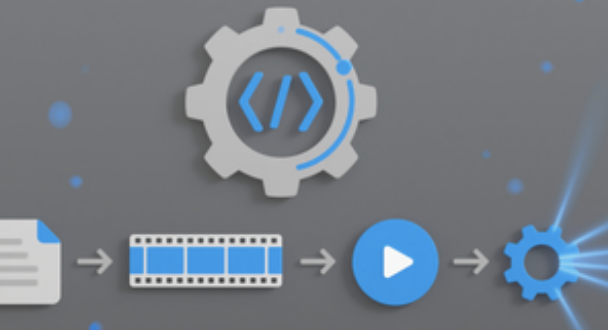
LTX integrates "model + platform": the model layer focuses on high fidelity, controllability, and speed; the platform layer provides visual tools from scripts and storyboards to shots and post-production. Users can directly input prompts, scripts, or web links to generate initial storyboards, then complete editing, subtitles, and voice-over within the timeline, ultimately exporting videos adapted for multiple platform aspect ratios. For music and voice-over scenarios, the platform provides dedicated entry points for music videos, script-to-video, and image-to-video conversions; for creative control, it supports keyframe/motion workspaces, style and character consistency management, and provides material and audio libraries to enhance the completeness of the final product.
III. Core Functions
1. Main functions
- Convert text/images/links to video: Automatically generate storyboards by theme, match shots and rhythm, and export in multiple aspect ratios.
- Text-driven timeline editing: Edit videos like you're editing a document, linking subtitles, voiceovers, and camera shots.
- Automatic subtitles and multilingual dubbing: Generate and align timelines with one click, and support multilingual script processing.
- Music and voiceover scenarios: Built-in music video and script-to-video conversion process, suitable for training, demonstration and marketing.
- Brand and project management: Unified fonts, colors, and logos; supports multi-user collaboration, comments, and version rollback.
2. Technical characteristics
- DiT architecture and diffusion technology emphasize timing consistency and motion smoothness.
- Real-time/near real-time generation, with common resolutions and frame rates to cover everyday short film needs.
- Model family: Provides open-source weights, inference space and API access, facilitating local or cloud deployment.
- Enhanced creative control: keyframes and motion workspaces, style consistency, and character maintenance.
IV. Pricing and Versions
LTX offers a free trial and tiered subscription options; the model side features open-source weights and an online inference space, while the platform offers tiered options based on functionality, minutes, and collaboration capabilities. Enterprise teams can obtain higher quotas, governance, and API/private integration capabilities. Specific pricing, quotas, and available regions vary depending on time and policy; please refer to the official activation page and in-account prompts for details.
V. Applicable Scenarios and Target Audience
- Marketing and Branding: Rapid production and stylistic consistency of pre-event promotions, product demonstrations, and social media short videos.
- Education and Training: Course summaries, narrated explanations, and screen recording compilations improve production and update efficiency.
- Content and Self-Media: Convert blogs/scripts into short videos, supporting multi-platform ratios and multilingual publishing.
- Film and Studio: Storyboarding, style exploration and previewing, used for proposals and small-scale productions.
- Corporate training and knowledge base: Video presentation and version management of policy changes and process promotion.
VI. Frequently Asked Questions
Q: What is the relationship between LTX, LTX Studio, and LTX-Video?
A: LTX is the overall brand and platform. LTX Studio is the online production workbench, while LTX-Video/LTXV/LTX-2 are open-source models and implementations, intended for both creators and developers.
Q: Does it support local or offline inference?
A: Yes. The model and inference space offer open-source and deployment options, and can be integrated into existing processes locally or in the cloud using the API.
Q: How are the generation results and speed?
A: The goal is real-time or near real-time, while maintaining both image detail and timing consistency. The specific frame rate and resolution depend on the version used and the hardware environment.
Q: Does it support multilingual support and script import?
A: Yes. It can import multilingual scripts and automatically generate subtitles and voiceovers; some processes may default to English results, which need to be adjusted as needed.
Q: How are commercial use and licensing handled?
A: The open-source/subscription agreements for platforms and models differ, and the scope of material and music licensing also varies depending on the solution. Copyright and compliance reviews should be completed before release.