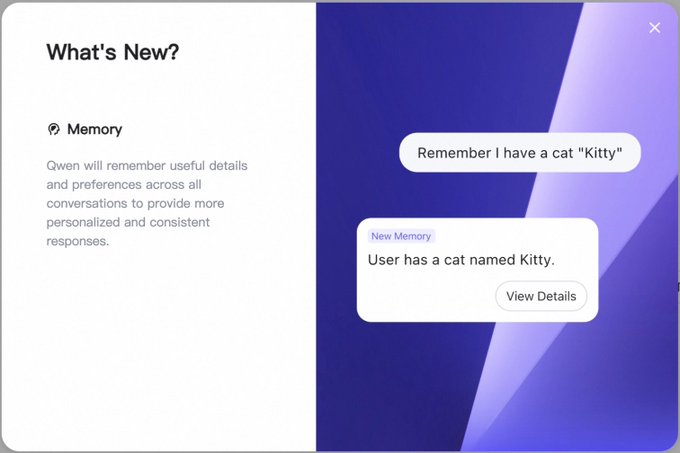
Multiple sources indicate that OpenAI is testing a new feature called "automatic memory management," which aims to enable ChatGPT to automatically prioritize important memories based on relevance and regularly purge no longer needed information. According to leaked information, this mechanism will also include memory search filters and a "recover deleted memories" option to help users recover data after accidental deletion.
OpenAI hasn't officially confirmed a release date, but several developers following the beta test have mentioned on social media that this feature could be available in the coming weeks, potentially marking a significant update to the ChatGPT memory system. The current version already allows users to manually review, edit, and clear memories, but the implementation of an automatic prioritization and restoration mechanism will further enhance the convenience and intelligence of long-term use.
OpenAI has not yet released a detailed technical description. However, it is widely believed in the industry that this move may mark ChatGPT's transition from manual management to autonomous memory, laying the foundation for personalized AI assistants.
Frequently Asked Questions
Q: What is ChatGPT's automatic memory management?
A: It means that the model can independently judge the importance of information, automatically save key memories and clean up secondary content.
Q: Is the new feature available?
A: As of now, it is still in the testing or preparation stage, and OpenAI has not yet officially released it.
Q: Is it possible to recover accidentally deleted memories?
A: The new mechanism will reportedly support a "restore deleted memories" option, but it has not yet entered the public version.
Q: What memory functions are available?
A: Currently, ChatGPT allows users to manually view, delete, or turn off the memory function, and supports temporary sessions.
Q: What impact will this update have?
A: If the function is implemented, the long-term continuity and user experience of ChatGPT will be significantly improved, while also involving new challenges in privacy and security management.