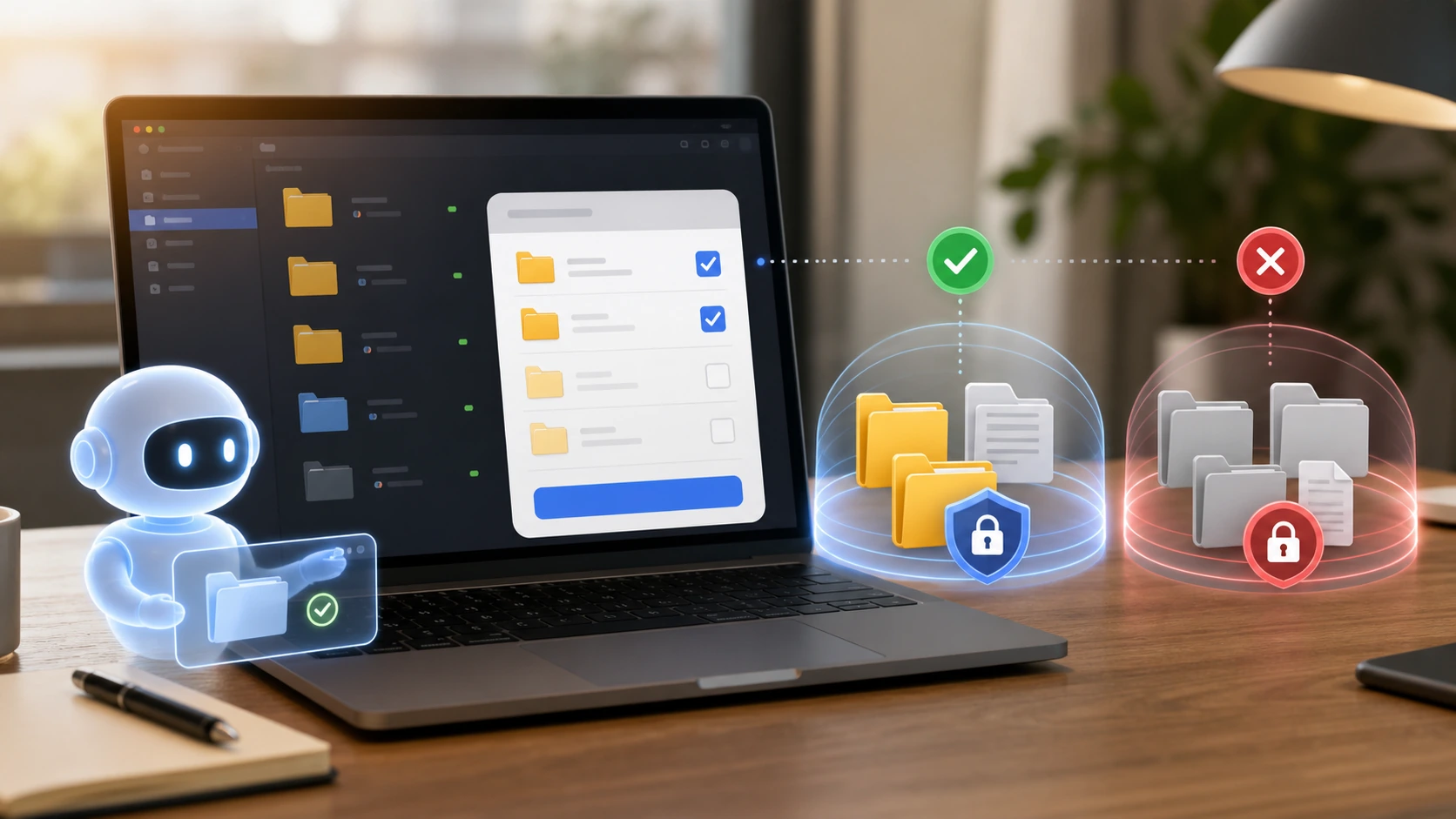
I see you're working on a task that's optimized for spec sessions. Would you like to start a dedicated spec session for the best experience? Many people are triggered by the "Start a Spec Session" question in the Kiro dialog, and clicking yes only leads to a lengthy process. Key Recommendation: Use Vibe for daily troubleshooting and minor fixes, and use Spec for document writing, task breakdown, and multi-person collaboration; use AI's "constraint instructions" to prevent lengthy output.
1. When to Use Spec and When to Use Vibe
1. Spec Session Applicable Scenarios
Spec Sessions, AI Specifications, and Requirements Documents: Spec is most effective when you need to translate ideas into requirements, designs, and task lists. It produces structured requirements, designs, and tasks, facilitating review and collaboration.
2. Applicable Scenarios for Vibe Conversation
Vibe conversation, AI quick Q&A, instant feedback: temporary debugging, locating errors, writing a small function, looking up concepts, using Vibe to avoid being constrained by the process and avoid AI's long-winded presentation.
(1) How to avoid passive pop-up windows
If you are just exchanging ideas, please do not enter trigger words such as "generate specification"; the conversation selector remains in Vibe. If asked whether to turn on Spec, directly reply "no and continue with the short answer mode".
2. Don't want to waste time even if you clicked yes? Three-step length control method
1. Set boundaries at the beginning
Keywords: AI output constraints, word limit, result format. In the first round, clearly state: "Only output a list of key points, up to 8 items, each no more than 20 words, without background." Let the AI enter "refined mode".
2. Block-by-block advancement
Keywords: AI is generated in stages and blocks. Use the rhythm of "first give the table of contents → only write the first section → confirm and then write the next section" to break the long article into small, controllable pieces and stop losses at any time.
(1) Template-based speed-up
Keywords: AI template, standard skeleton. Fixed prompt words:
a. Table of contents template: "Requirements, non-functional, solutions, risks, milestones"
b. Task template: "Description, acceptance criteria, responsible person, estimate"
c. Review template: "Change points, impact areas, roll-back plan"
III. Don't want to see long articles? Give Kiro this "no-longer-winded" spell
1. General concise prompts
Keywords: AI concise mode, structured output Example prompt:
“Enter concise mode: only output three levels of key points, using short sentences; total word count ≤ 200; background elaboration and self-explanation are prohibited.”
2. Prompts for specification conversations
Keywords: AI specification constraints, actionable results. Example prompt:
“If a Spec is required, only generate the outline and field definitions first, without writing the body; wait until I select the required parts before expanding.”
(1) Tips for team collaboration
Keywords: AI collaboration, change tracking.
a. Only one section is allowed to be changed at a time
b. “Change summary + difference list” is required
c. Output comes with “undo command” for easy rollback
Frequently Asked Questions (Q&A)
Q: How can I make AI generate “spec-like” results in Vibe? A: Give the AI a set of lightweight templates and field definitions, and have it output in Vibe according to the three columns of "Requirements, Constraints, and Acceptance Criteria." Then decide whether to convert it to Spec. Q: I clicked "yes" and then realized it was too long. How can I stop the loss immediately? A: Immediately set the constraints: "Only keep the table of contents and task list, each item ≤ 15 words, and remove narrative sentences." Then ask it to "expand in sections." Q: How efficient are Spec and Vibe? A: Vibe is faster for short, quick answers; Spec is more stable for multi-person collaboration and traceable delivery. A two-step process can be adopted: "Produce a rough outline in Vibe → Convert to Spec when necessary." Q: Is there a single tip that can eliminate long background text? A: "No background, motivation, or tutorials allowed. Only a list of actionable points and acceptance criteria. 200 words or less. If this information is insufficient, ask three necessary questions before answering."