On August 2, 2026, xAI head Elon Musk announced via his official X account that Grok can now analyze any video and share real-world analysis. The keyword here is "analysis" rather than "generation": users submit existing videos to the model, which then asks questions about the content, positions clips, or extracts leads.
What's harder about video analysis than looking at a single image?
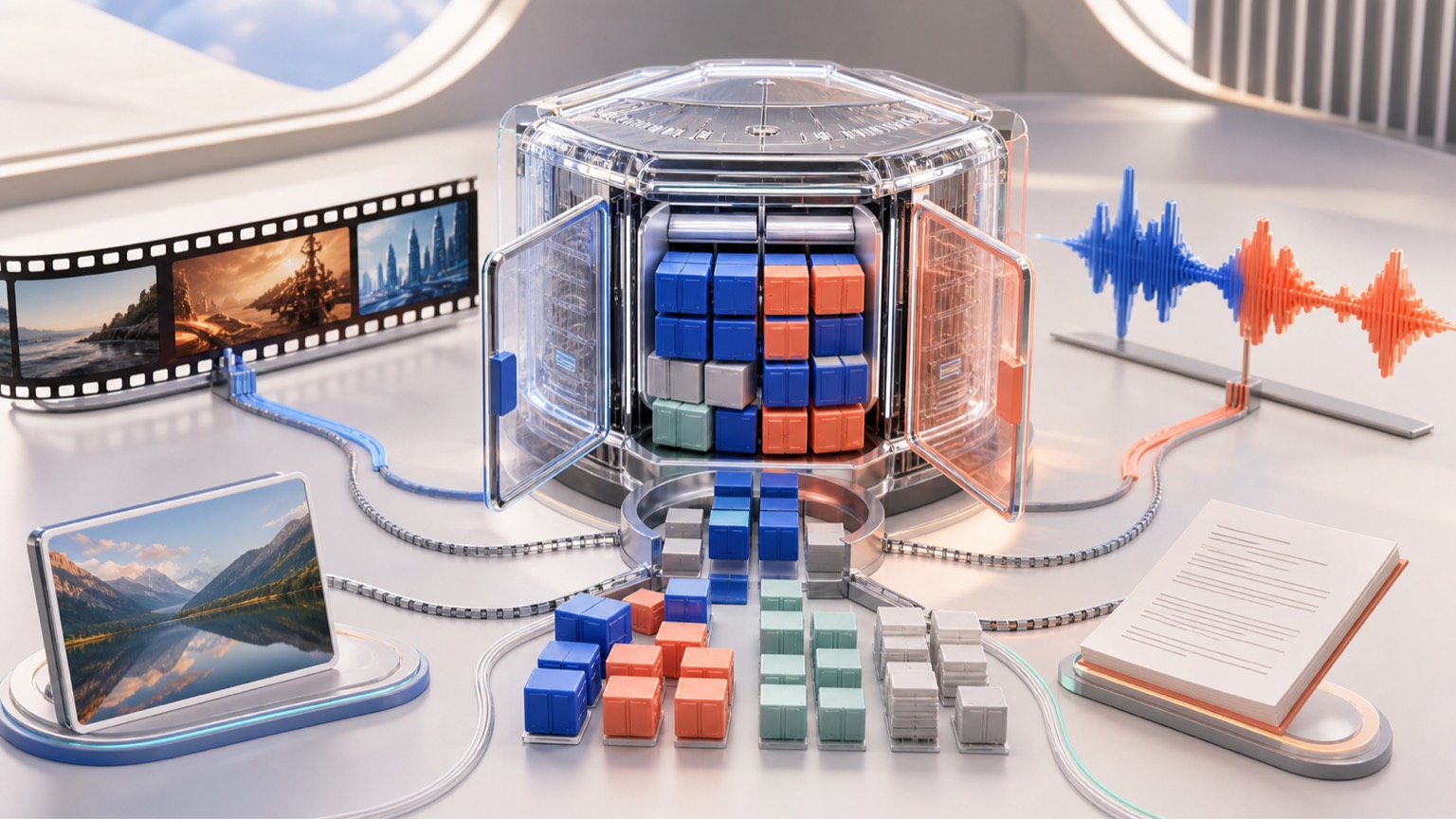
A video simultaneously includes continuous frames, camera transitions, character actions, subtitles, ambient sounds, and dialogue. The model must not only identify what's in each frame but also connect events before and after to create causal relationships and determine whether the sound and visuals are synchronized. Editing, skip cuts, or voiceover can also alter the original context, so video understanding is a comprehensive test of time series and multimodal capabilities.
If Grok can reliably handle such inputs, its role will no longer be just to answer text questions or interpret static images, but to participate in long content retrieval, material organization, and video Q&A.
The three most practical scenarios for ordinary users
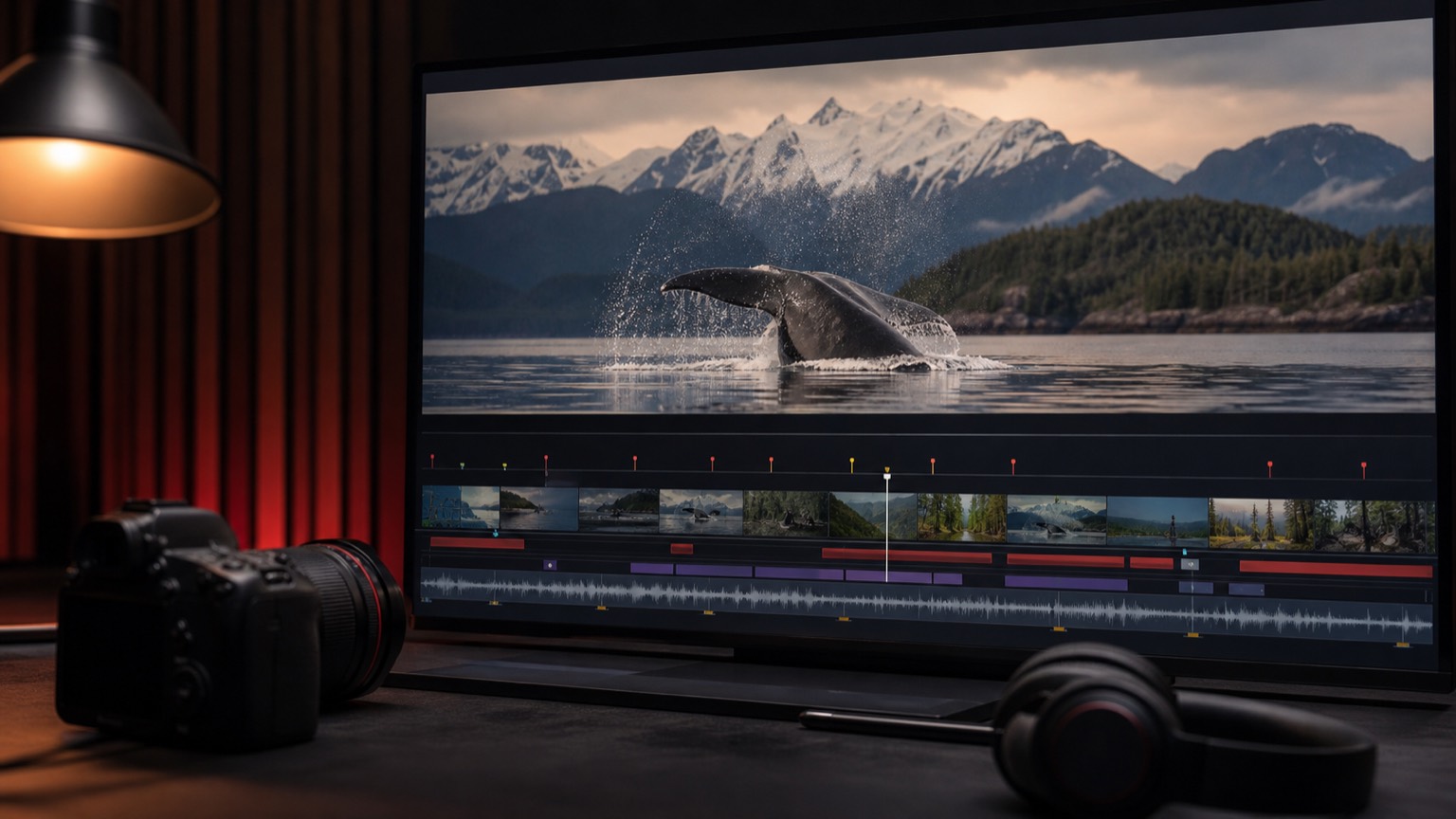
- Generate chapter clues for long videos to quickly find the approximate location of a particular viewpoint or event.
- Extract steps, decisions, and to-do items from tutorials, meeting minutes, or product demonstrations.
- Conduct a preliminary inspection of the material before release, and find missing subtitles, narrative breaks, or inconsistencies between the visuals and narration.
These uses are better understood as analytical aids rather than automatically providing final conclusions. When asking questions, requiring the model to explain the timing, cite footage references, and manually review key segments can significantly reduce the risk of misjudgment.
There are no official restrictions yet
The current brief announcement does not disclose file size, maximum duration, supported formats, package thresholds, open platforms, or data retention rules. "Arbitrary Video" therefore seems more like a capability direction and cannot be directly inferred as unlimited duration, unconditionally available to all formats and all users.
A reliable test method is to first upload a short, known video, then ask for a summary, key time points, and concrete evidence in sequence. If different questions yield inconsistent positioning, the results should not be used directly for important decisions.
Do not treat the analysis results as factual judgments
Irony, quick editing, off-screen information, blurred faces, and incorrect subtitles can all lead models to come up with seemingly reasonable but non-existent explanations. When it comes to accidents, news, medical, or legal scenarios, original video, full context, and professional verification remain irreplaceable. Users should also not upload confidential materials, unauthorized private images, or restricted content.
The value of this update lies in advancing the input of the general assistant from static content to temporal media; Whether it ultimately becomes a reliable tool depends on the stability of long videos, privacy controls, and traceability of results.