On June 27, 2026, TechCrunch cited Bloomberg reporting that Apple Vice President Paul Meade, who is responsible for the Apple Vision Pro and smart glasses projects, will leave and join OpenAI's hardware team. Apple and OpenAI have not publicly confirmed this personnel change, so it should currently be regarded as a credible media report rather than an official appointment already released by both parties.
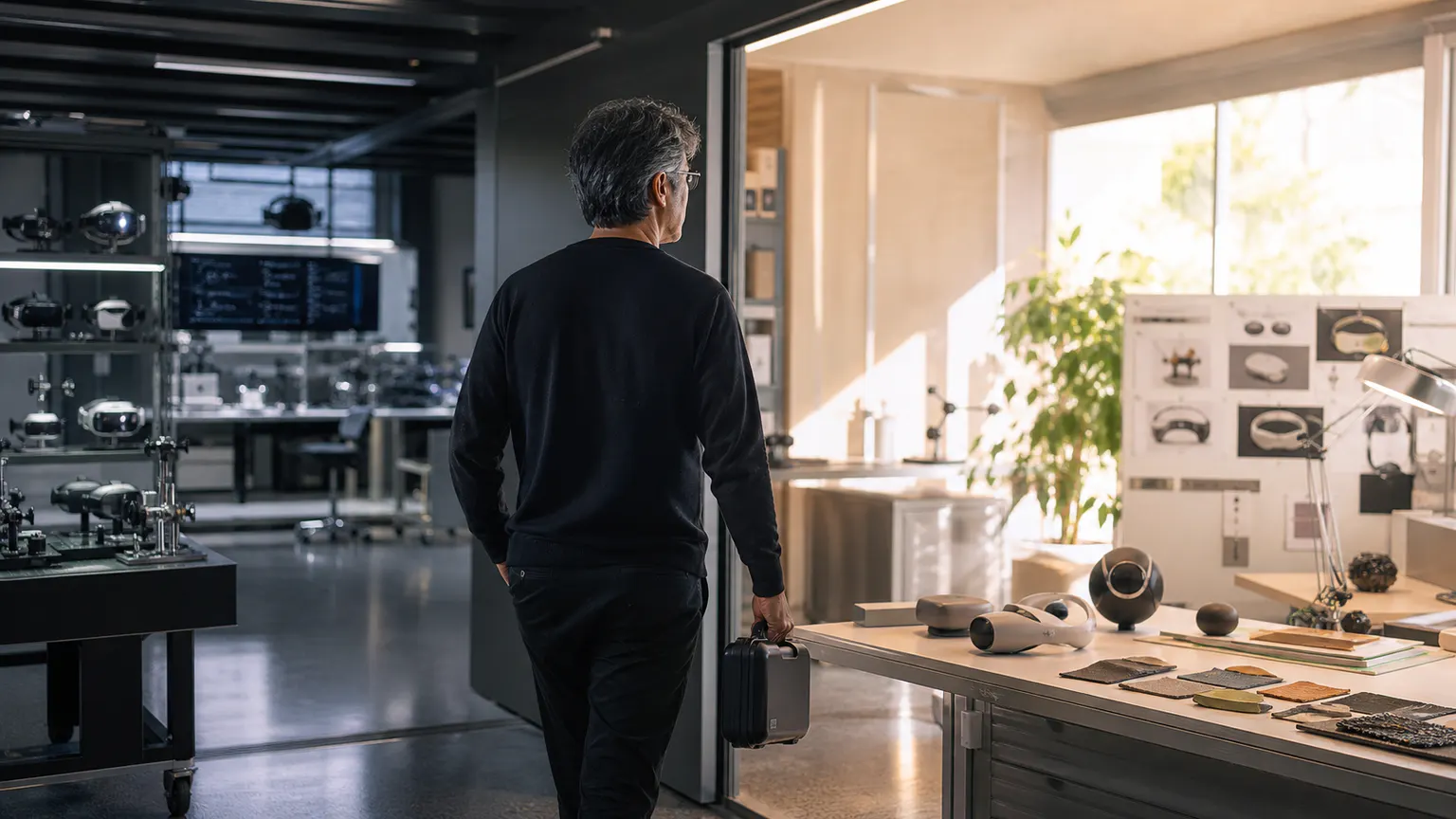
This news is noteworthy not only because another Apple executive has joined OpenAI, but also because Meade's resume covers optics, wearable devices, and large-scale consumer electronics engineering. For AI hardware to move from concept prototypes to mass production, the model is just one part; wearing experience, cooling, battery life, sensors, supply chain, and privacy design all determine whether the product can stand out.
OpenAI is enhancing its ability to "make products into products."
OpenAI has collaborated with former Apple design director Jony Ive to develop AI devices, but reliable information such as final form, launch time, and interaction methods is still lacking. Bringing in talent with long-term responsibility for Vision product engineering shows that the hardware team needs not only industrial design but also engineering management capabilities to turn new interactive solutions into testable, manufacturable devices.
Meade is also reportedly involved in Apple's smart glasses project. This background may help OpenAI evaluate trade-offs between screen, camera, microphone, and environmental perception, but it does not guarantee that OpenAI will definitely release glasses. Current reports only describe talent mobility and do not confirm specific product routes.
Apple faces the risk of project continuity
For Apple, the impact may not immediately be reflected in Vision Pro sales, but more likely in the coordination of subsequent product teams. Headsets and smart glasses require long-term accumulation of optical and hardware experience, and changes in leadership may force projects to reassign responsibilities. TechCrunch reported that Fletcher Rothkopf will take over many of Meade's internal tasks, but Apple still has a mature hardware system, and the departure of a single executive does not mean the project is halted.
AI hardware competition is shifting tracks
In the past two years, the industry has focused more on who owns the stronger models, but now competition is extending to the device entry point. For AI devices without or weak screens to work, they must strike a balance between being available at all times and not being overly disturbed, and address the privacy boundaries brought by constant perception. OpenAI's recruitment of Apple's hardware talent reflects the shift in this competition from model capabilities to interaction, engineering, and supply chain changes.
Next, it's worth watching whether OpenAI will announce a clear hardware organization, product form, and launch plans. Before official information appears, it's best not to interpret this personnel announcement as an upcoming device release.
Source of information
TechCrunch's report published on June 27, 2026, original news from Bloomberg; The report notes that it has sought responses from Apple and OpenAI.