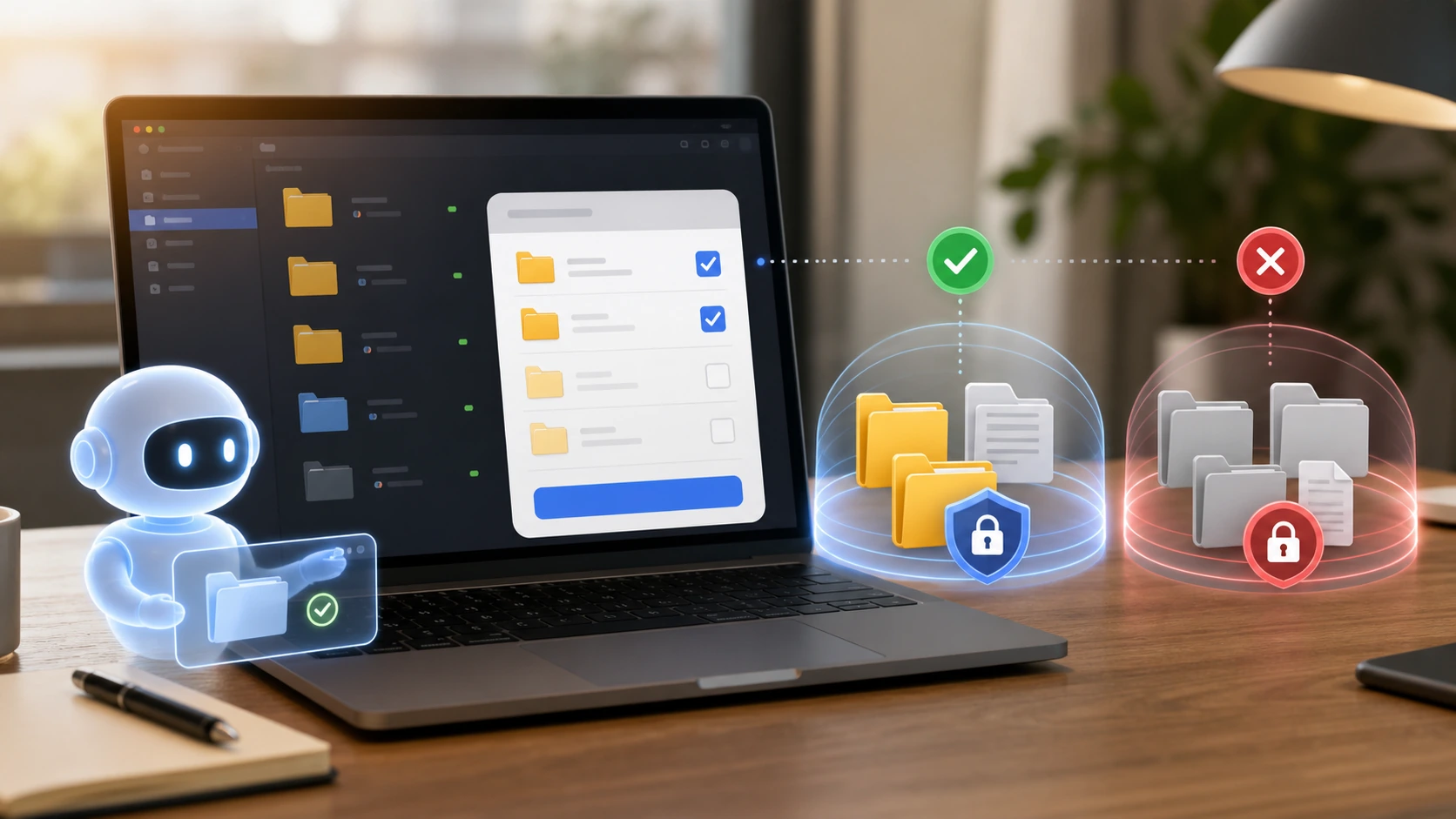
If you want to install an MCP with Hermes Agent, it's not recommended to copy the configuration everywhere on GitHub first. v0.15.0 added the Nous-approved MCP catalog, allowing you to run the hermes mcp directly and use an interactive picker to install the MCP server from the trusted directory. The first key focus is the n8n manifest. Beginners should use the official picker first, and the success rate is much higher than handwritten JSON.
Why is it not recommended to configure the handwriting configuration first?
MCP errors often stem from "tools being hard to use," but due to errors in command paths, environment variables, stdio startup methods, or credential writing. The value of the official picker lies in unifying manifest, credential prompts, and write locations, at least avoiding basic issues like misspelling variable names, misplacing configuration levels, and missing parameters in startup commands.
Follow this order during installation
- First, upgrade to v0.15.x and make sure there is a
hermes mcppicker locally. - Run
hermes mcp, select n8n or another official directory entry from the list. - Follow the prompts to fill in credentials and have Hermes write the
~/.hermes/.envor the corresponding configuration. - After installation, restart the current session, then have Hermes list available tools to confirm whether it loads.
If you use Docker, you also need to make sure the MCP startup command can be found in the container. v0.15.1 fixed the PATH issue of npx, npm, and node commands under Docker, but older users may still encounter "This machine can run, but the container won't start."
When will manual changes be made?
Only manually write the configuration when the official directory does not have the MCP server you want, or if you need an internal private MCP service. Before handwriting, use the picker-generated configuration as a template and clearly understand how command, args, and env are placed. This way, even if an error occurs, it's easier to pinpoint whether it's a credential issue, a command issue, or the MCP server's own problem.