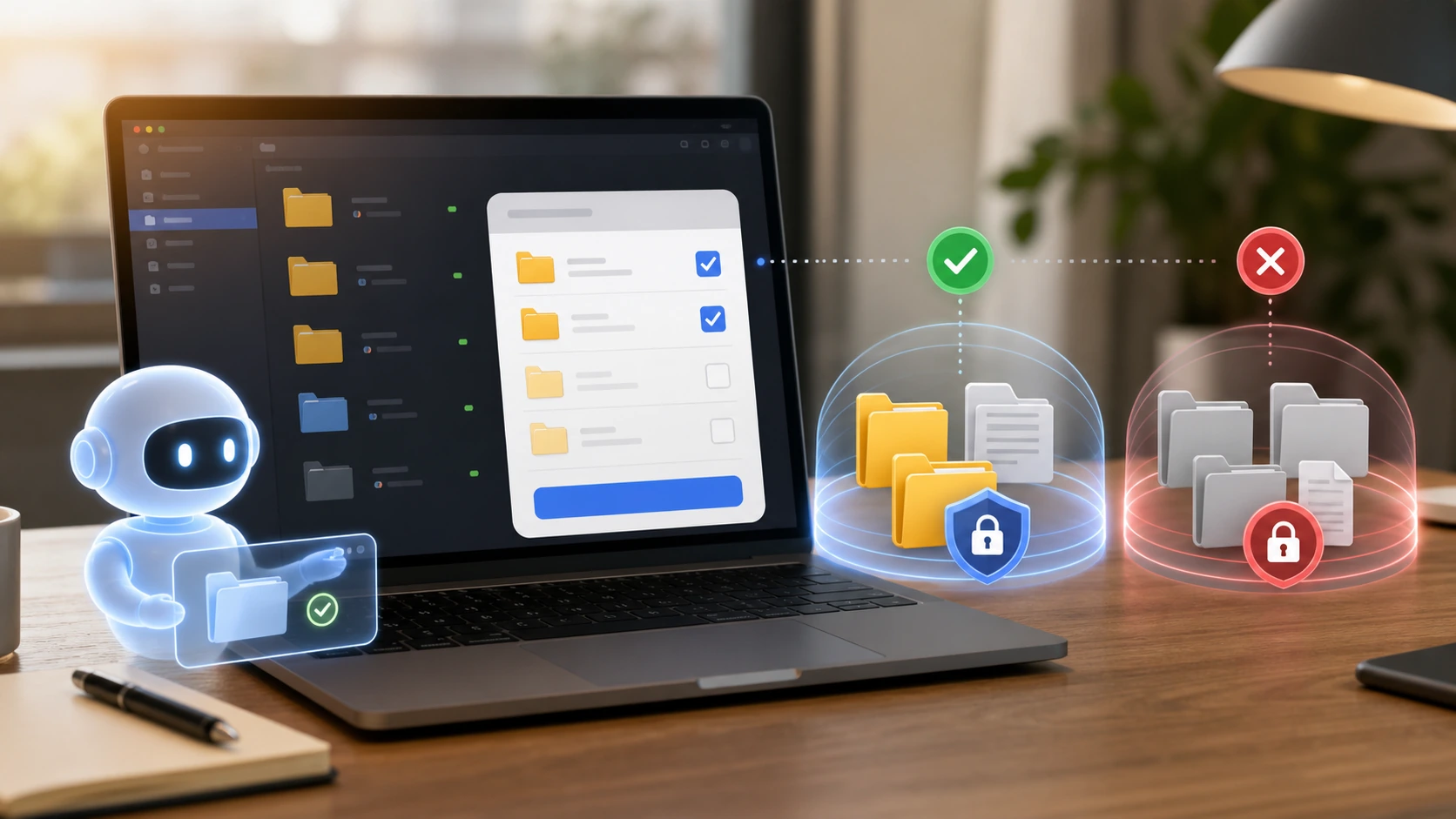
The core purpose of /handoff is to pass the current Hermes Agent session along with messages, tool calls, and contexts to another model, personality, or profile. Unlike regular /model switching, the focus is not on "which model to answer later", but on "handing over this ongoing task in its entirety".
When to use /handoff
The most typical scenario is a subsistence in the middle of a long mission. For example, you use a cheap and fast model to organize the code structure first, and when you get to a critical bug, you want to hand it over to a stronger reasoning model. Or you can use the default profile to talk about product requirements first, and then switch to a dedicated code profile to continue implementation. In the past, this kind of switching was easy to lose context and repeatedly explain the background, /handoff to reduce this kind of loss.
The difference between it and /model
| order | Main role | Suitable for the scene |
|---|---|---|
/model | Switch the provider or model you are currently using | Temporarily change the model, test the quality of answers, and control costs |
/handoff | Migrate the current session to the target model, personality, or profile | Long task handover, in-depth debugging, and relay of different roles |
If you just want to change the model for the next round, it is enough to use /model; If you are worried about the loss of task status, tool output, and confirmed targets, use /handoff first.
How to use it more stable
- Before handoffing, let Hermes summarize the current task status, including objectives, completed steps, and points to be verified.
- Perform
/handoffto specify the model, personality, or profile to be handed over. - In the first round after handoff, let the new session repeat the task it understands, and do not immediately execute dangerous commands.
- If file modifications are involved, look at the diff or run tests before diving deeper.
/handoff does not allow weak models to suddenly have strong model capabilities, nor is it a subs服装tion of clear task descriptions. Where it is really valuable is in reducing the fault of long context tasks when switching models. For those who often do code troubleshooting, research, and cross-platform collaboration, this is a useful improvement in v0.14.