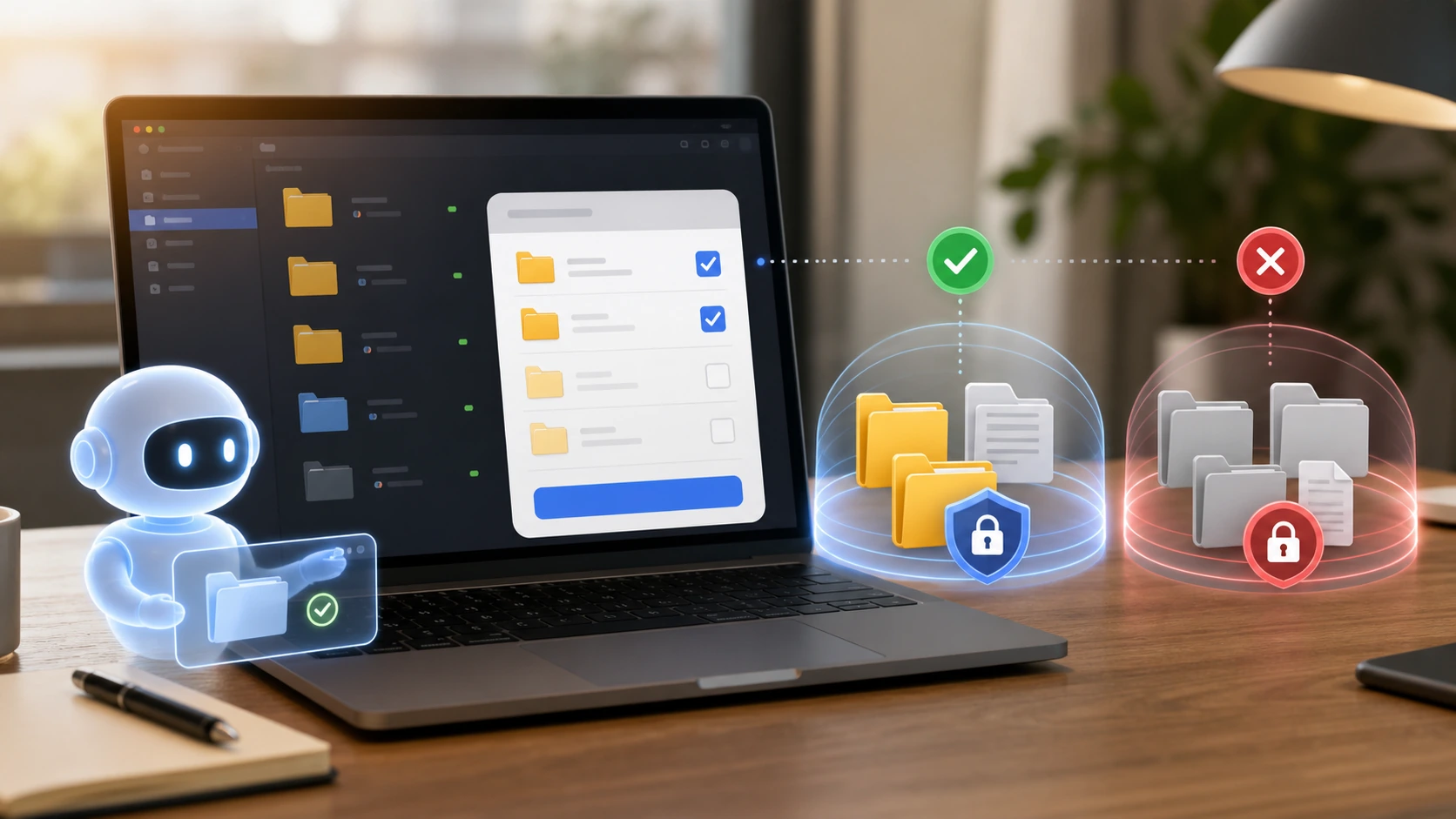
Hermes Agent profiles are suitable for running multiple isolated assistants on a single machine, such as "work assistant", "research assistant", "home automation assistant". Each profile has its own home, config, sessions, skills, and memories, so normal use will not string memories; It is usually when you actively clone all states, or share the same external service account and directory.
When to use profiles
- Work and personal tasks should be separated to avoid mutual contamination of memories.
- Different projects use different providers, models, and MCP servers.
- One profile is connected to Telegram, and the other is connected to Slack or Discord.
- When testing a new configuration, you don't want to break the main profile.
How to choose common commands
hermes profile create work creates a new profile; hermes profile use work sets the default profile; Ad hoc calls can be made with hermes -p work chat -q "...". If you want to copy the current configuration, you can use --clone; If even sessions, skills, and memories have to be copied, then --clone-all is used. In most scenarios, it is recommended to use --clone first to avoid bringing old memories to the new assistant.
How to avoid "string memory"
First, don't --clone-all casually. Second, assign different MCP root directories and platform allowlists to different profiles. Third, if you use external memory providers such as Honcho, mem0, supermemory, etc., you should also check whether the provider configuration and identity mapping of each profile are separate. Built-in MEMORY.md and USER.md are isolated by profile home, but whether external services are isolated depends on how you configure them.
In a word: profiles are not multiple windows, but multiple sets of Hermes agents. With clear naming and separate permissions, it will be much more comfortable to use in the long term.
Official open source address: https://github.com/NousResearch/hermes-agent; Official document entry: https://hermes-agent.nousresearch.com/.