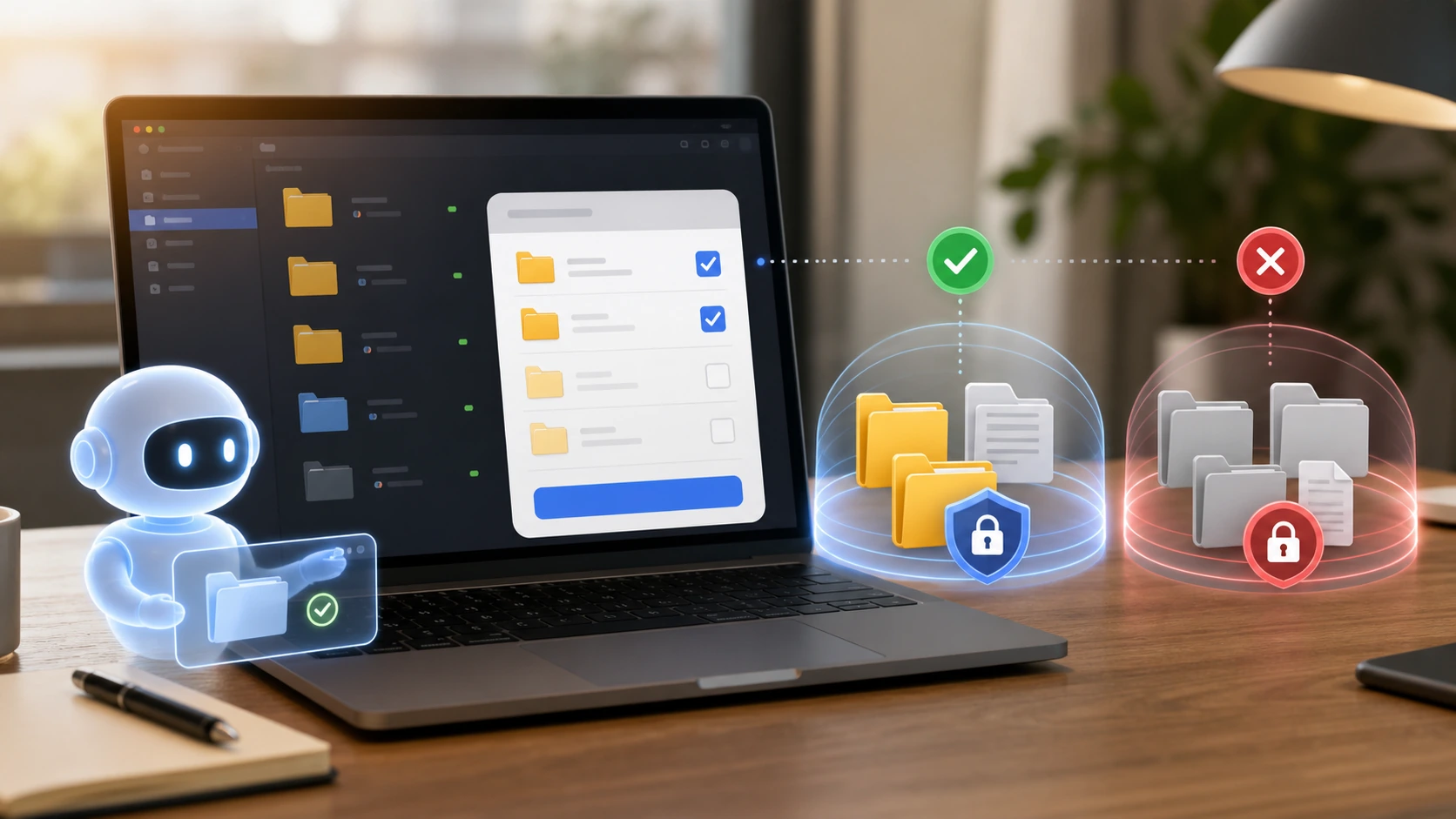
If you connect a .docx document from Google Drive to Claude, but find that it still can't be read, don't reauthorize it repeatedly. Anthropic's current Google Drive integration helps write clearly: Google Docs is supported through this integration, not the original .docx; And when syncing, it goes through text extraction, which won't fully understand all the visual content in the document as you think.
This means two high-frequency misunderstandings. The first is "Claude can read files as long as they're in Google Drive." not. Drive is the ingress and there are additional boundaries to the formats that are really supported. The second is "Claude will look at the entire typesetting document like a human after turning in". Not either. For Google Docs, synchronization is more text-oriented, and images, complex typography, and embedded content are not fully retained.
The most time-saving approach is usually:
1. Open .docx in Google Docs and save it as Google Docs.
2. Add that copy of Google Docs through Claude's Google Drive integration.
3. If the key information in the document is on images, charts or scanned pages, don't just rely on this synchronization link, it's best to add text versions or screenshot descriptions.
Anthropic also gives a limit that is easy to overlook: Google Docs has a size limit, and Claude takes text extraction. If you take a large document with diagrams to test, the result is not ideal, not necessarily because the model has deteriorated, but more likely because the integration itself has not brought in the part of the information you care about.
Therefore, Claude cannot read the .docx in Drive, and many times it is not the connection failure, but the wrong format and extraction method. Switching to Google Docs first, and then retracting the expectation back to "primarily reading text content", is usually much smoother.