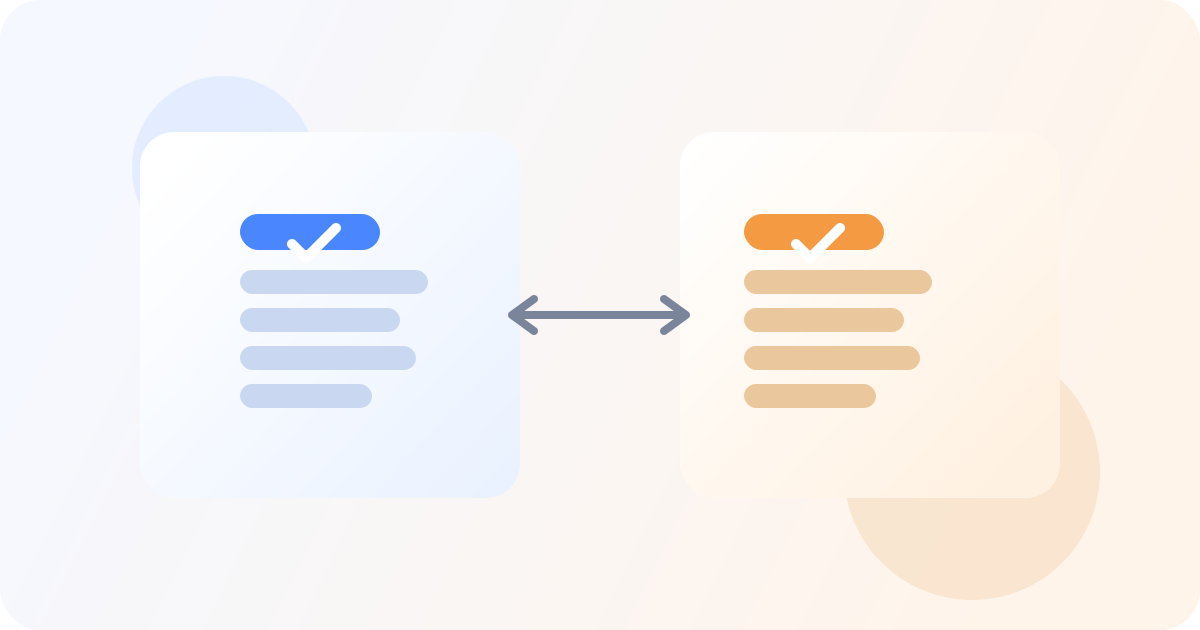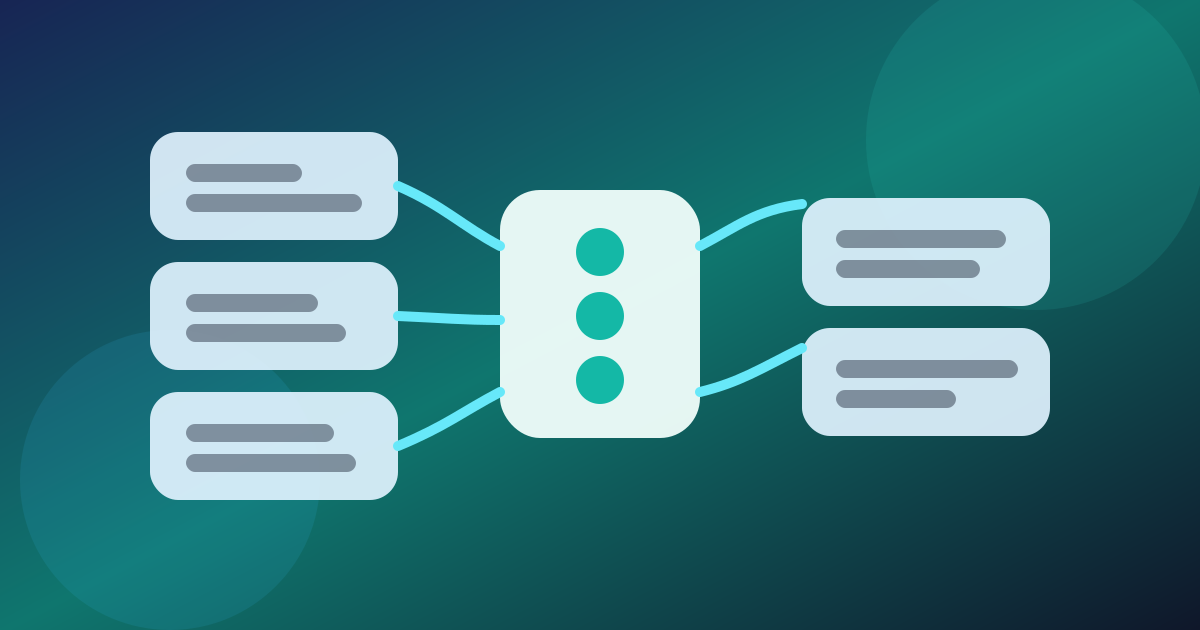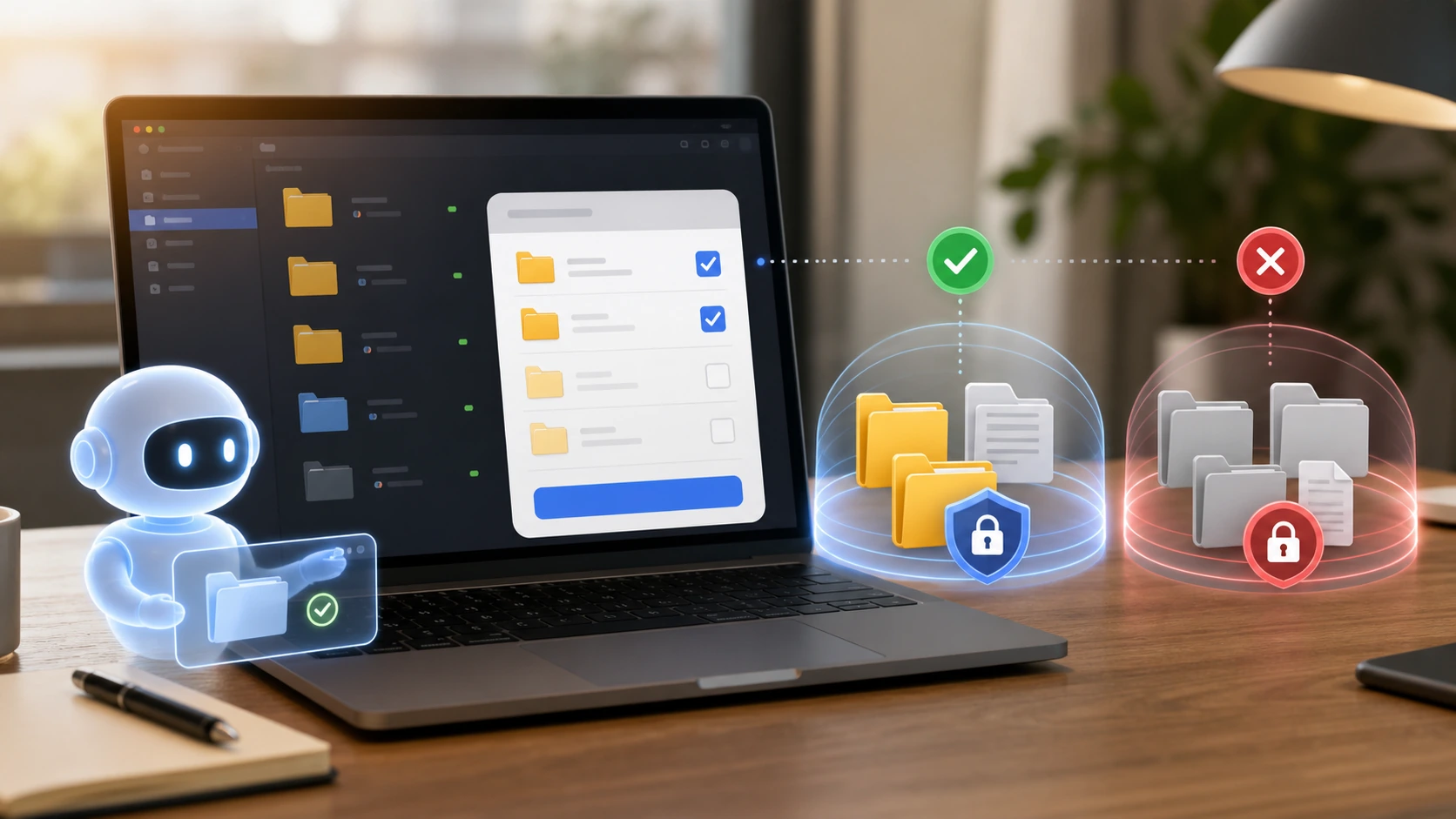
The biggest difference between AI Agent and workflow is not in the name, but in "who makes the decision". The workflow is more like a flowchart you drew in advance, when to call the model, when to send a message, when to write a table, the path is basically fixed; The Agent will decide what to do next, whether to call the tool, and whether to continue dismantling the task while the task is in progress. If your process is already stable, the steps are clear, and the cost of errors is high, then you don't need an agent at all, and it's usually more stable to go directly to the workflow.
| Judgment point | More like a workflow | More like an agent |
|---|---|---|
| Whether the path is fixed or not | Most of the steps are written in advance | The route will be temporarily changed according to the results |
| Fault tolerance requirements | Predictable and good auditing is required | Allows for exploration and trial and error |
| Typical scene | Form processing, lead distribution, fixed approval | Research, research, complex collaboration, multi-tool tasks |
Don't rush to get on the Agent when you can
There are three conditions that are most common. First, your tasks are essentially just "enter A and get B according to the rules", such as customer service classification, daily report summary, and fixed format rewriting. Second, every step in the process must be traceable and reviewable, especially for approval, finance, work orders and external content sent within the enterprise. Third, you don't even have the process itself running smoothly, but you want the agent to think about the process for you, which usually only automates the chaos.
When does an agent really become valuable?
Agents make more sense when the mission goal is clear, but the route to the goal is not fixed. For example, "help me research 5 competing products and generate conclusions", "find out the risk points after reading this batch of information", "search the code first, and then decide which file to change", such tasks need to be judged while doing it, and the advantages of the agent will come out. It is suitable for dealing with uncertainty, not for covering up problems that are poorly designed for you.
If you are not sure how to choose now, the most practical judgment is only one sentence: if you can draw a stable flow chart, use the workflow first; If you have to judge while doing and coordinate across tools, consider agents.